|
Getting your Trinity Audio player ready...
|
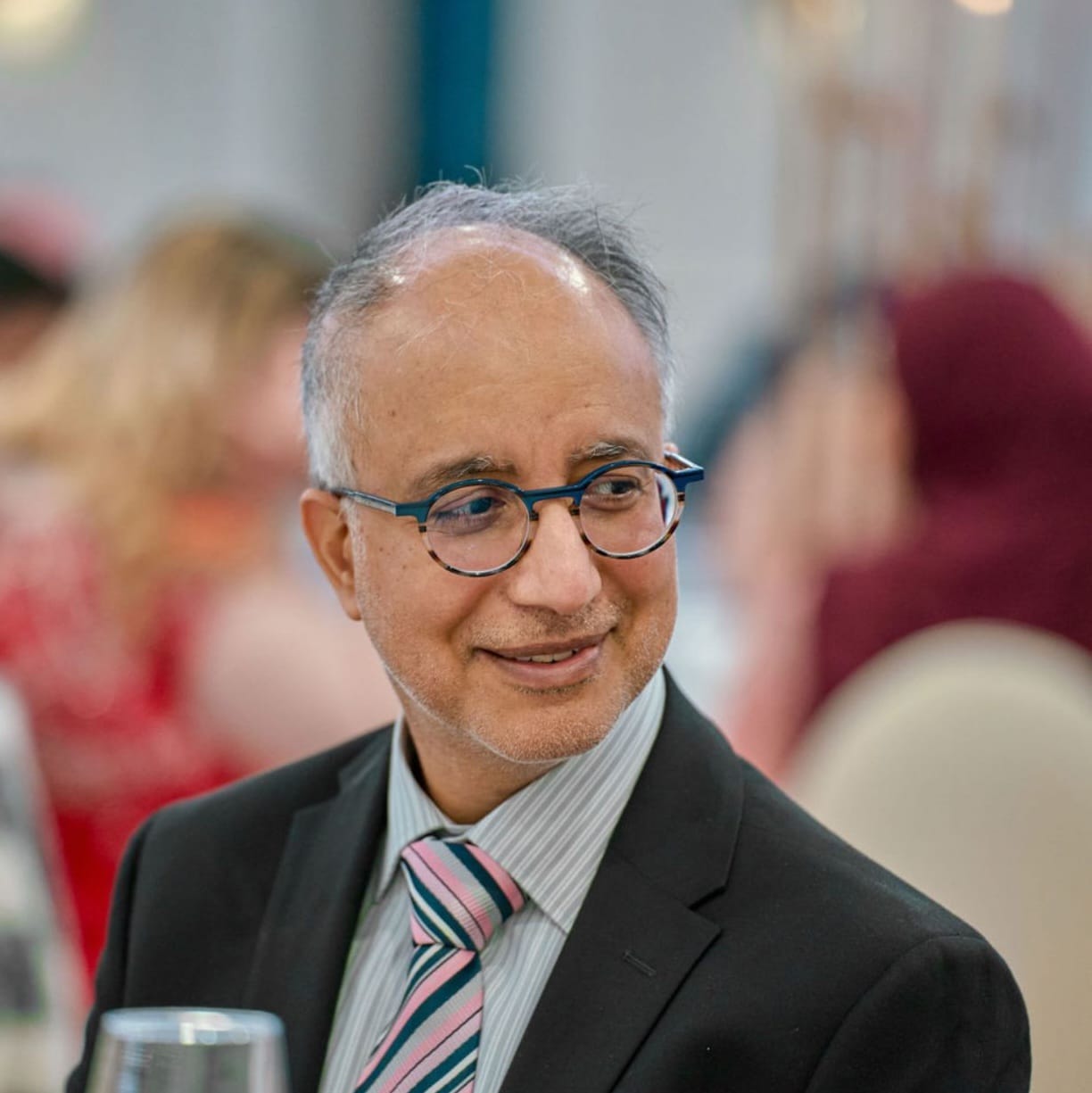
My name is Professor Tahir Shah, and my clinical training included general medicine, gastroenterology, and liver medicine.
During specialist training, I also spent four years researching liver diseases as well as new possibilities for treating neuroendocrine tumours.
I was then employed as a consultant at the liver department at Queen Elizabeth Hospital Birmingham in 2008, as a hepatologist and liver transplant physician. I gained responsibility for developing services for cancer patients managed by the liver department that included hepatocellular carcinoma and neuroendocrine tumours.
My main job was caring for patients with liver diseases and liver failure. My work included deciding who may benefit from liver transplantation and getting these very sick patients safely through the liver transplant process and back to good health.
The liver department was created in the 1970s. It has grown and evolved into the largest globally. It is also the leading creator of methods for treating liver diseases. The department relies on a team of many hundreds of world class specialists who are continuously developing new and better ways of treating patients.
I had the honour of being the department Lead from 2010 to 2015. My experience of leading and constantly modernising the liver department was crucial for developing services for patients with neuroendocrine tumours. Reflecting the nature of the liver department, our comprehensive NET team specialises in caring for the sickest patients that require intensive treatments to recover from poor health. Although superficially patients with NETs may appear relatively easy to manage, I believe they are some of the most difficult clinical cases and require considered care for safety and relatively stress-free life.
At Birmingham, we specialise in looking after patients with carcinoid heart disease and I am proud to say that we have become the largest centre in Europe through our excellent reputation. We also care for patients needing other specialist treatments such as intensive nutrition, specialist cancer surgery, and liver transplantation.
A patient’s journey to recovery:
For example, we cared for a patient who was diagnosed with a neuroendocrine tumour and carcinoid heart disease at the same time. They had uncontrolled carcinoid symptoms, heart failure, weight loss and infected fluid in the abdomen. They were physically weak and very ill.
An operation was performed to treat the cause of abdominal infection. After control of carcinoid symptoms and improvement in nutrition, they had open heart surgery to fix the cause of heart failure. They made an excellent recovery, returning to an active life.
A thorough review of the scans raised the possibility of complete removal of the cancer in the bowel followed by liver transplantation to achieve cure from cancer. The patient was keen to pursue this path. They had surgery on the bowel by the dedicated cancer surgeon.
After being fully assessed and accepted for liver transplantation, this was also performed successfully. The patient, thankfully, remains in good health and free of cancer. Each step in their management required a different highly skilled team.
My work life now:
I work with the general NET team, the carcinoid heart disease team, and the liver-transplantation-for-cancer team. I also chair the national panel for selecting patients with neuroendocrine tumour liver metastases for liver transplantation. Although my roles have changed over the years as services have matured and new opportunities have come along to help other patients and the public. I nevertheless continue to see patients with NETs in three clinics – general NET clinics, carcinoid heart disease clinic, transplantation for neuroendocrine tumours clinic. I also attend several NET related multi-disciplinary team meetings – general NET MDT, carcinoid heart disease MDT, national MDT for liver transplantation for patients with NETs.
I supervise NET-related research to better understand the causes of carcinoid heart disease. I also support other members of the team who are research active. The Birmingham NET Centre has several clinical trials active and recruiting.
Clinical trials:
- CRINETICS CAREFNDR Phase 3 Trial (A Randomized, Parallel Group, Placebo-Controlled Study to Evaluate the Efficacy and Safety of Paltusotine in Adults with Carcinoid Syndrome due to Well-Differentiated Neuroendocrine Tumors)
- EXELIXIS / STELLAR (A PHASE 2/3, multicentre, randomized open-label study of zanzalintinib vs everolimus in participants with previously treated, unresectable, locally advanced or metastatic neuroendocrine tumours
On an average day my time is split between:
- attending clinic
- dealing with patient referrals and enquiries
- supervising and educating junior doctors
- working with specialist nurses, and
- supervising various teams working on their allotted projects
I continue to learn from all members of the teams I work with. The ability of the Birmingham NET service to provide such advanced level care is dependent entirely on the quality of the teams that have come together to help care for patients. I am proud to say that the skills and commitment of all the Birmingham NET team members are providing hope to patients who often do not have obvious treatment options.
What I enjoy:
The easiest and most pleasurable part of my job is seeing patients and trying to resolve their medical issues. Working with colleagues to improve patient care is also rewarding.
What I find challenging:
The hardest parts of the job are obtaining funds to increase treatment options, trying to improve infrastructure for seeing patients such as space for new clinics, hiring new staff to see more patients, setting up new services, and negotiating with senior management for resources.
What I wish for:
My sincere wish remains to continue discovering ways for either curing patients of cancer or providing them with a long and healthy life. I am glad to say that we are making steady progress towards these goals using our growing experience and expertise together with a steady improvement in availability of effective treatments. The success of the carcinoid heart disease programme and liver transplantation programme are testament to this. I predict that the next decade will continue to see significant progress.
Prof Tahir Shah, Written September 2026