|
Getting your Trinity Audio player ready...
|
Why did you choose this field of medicine?
I became interested in radiology during my first two years after medical school. I spent a lot of my time in the radiology department asking for scans and getting the reports, which played an integral role in the management of patients under our care, whether they were in the emergency department, on the wards, or in outpatients.
I started my training in radiology and was introduced to Nuclear Medicine. I’d not really come across nuclear medicine or radionuclide radiology before that, but I was hooked. Using different radioactive tracers and coupling them with CT (computed tomography, a diagnostic imaging procedure) to look at how and where different diseases affected the body was, and still is, amazing!
I gained experience in nuclear medicine therapy in my last 2 years as a radiology resident at Charing Cross Hospital in London, and it was this part of my training that paved the way for my consultant career in Nuclear Medicine.
The mixture of both diagnostic and therapeutic Nuclear Medicine works well for me. I have the opportunity to be involved in multiple parts of a patient’s journey; multiple different areas of medicine, not just Oncology; work within a multidisciplinary team, be involved in education, and be at the cutting edge of medical research.
Who do you care for?
I work with other clinical specialties to care for patients. Nuclear medicine therapy, also known as molecular radiotherapy (MRT), peptide receptor radiotherapy (PRRT), and radioligand therapy (RLT), can all be used to treat different types of cancer and benign conditions.
As such, I can be involved in treating lots of different patient groups, including those with neuroendocrine tumours, thyroid conditions, prostate cancer, and liver tumours. The nature of molecular radiotherapy means that I can get to see patients multiple times over the course of their treatment, getting to know them and their families. This is a huge privilege and not something I would necessarily get as a pure diagnostic radiologist.
What does a typical day look like?
My timetable varies across the week, so there isn’t a ‘typical day’ as such. I do a mixture of diagnostic imaging with ultrasound, CT, X-ray in Radiology, as well as gamma camera and PET/CT imaging in Nuclear Medicine. I also have sessions where I treat patients along with pre-therapy consultations and follow-up clinics, face-to-face, over the phone, or via video.
I work with different multidisciplinary teams and attend multidisciplinary meetings to support with imaging interpretation and MRT plans.
I’m a member of The Molecular Radiotherapy Consortium and current Honorary Secretary of The British Nuclear Medicine Society (BNMS), which allows me to engage with other professionals and stakeholders across the UK and beyond, to improve access to diagnostic and therapeutic nuclear medicine and ultimately improve patient outcomes.
Your team
One of the things I love about my job and nuclear medicine is that it comprises so many different disciplines. I get to work with technologists, clinical scientists, radiographers, nurses, radio-pharmacists, as well as other doctors. I can’t do my job to the best of my ability without any of them.
Exciting developments
Nuclear medicine is developing at pace. As well as effort going into increasing the access to existing technologies such as PET/CT and the commissioning of therapeutics such as Lu177 DOTATATE and SIRT in Neuroendocrine Neoplasms (NENs), there is a huge amount of research looking into new tracers for both diagnosis and treatment; combination therapies with other treatments, different targets, and using MRT earlier in the management of NENs. Nuclear medicine research has and will continue to transform the imaging and treatment of NENs.
What drives you forward in medicine?
There are lots of things that drive me forward – I’m proud that I have the chance to help as many people as I can, and that the imaging and molecular radiotherapies I do make a real difference to patients’ quality of life, and their families.
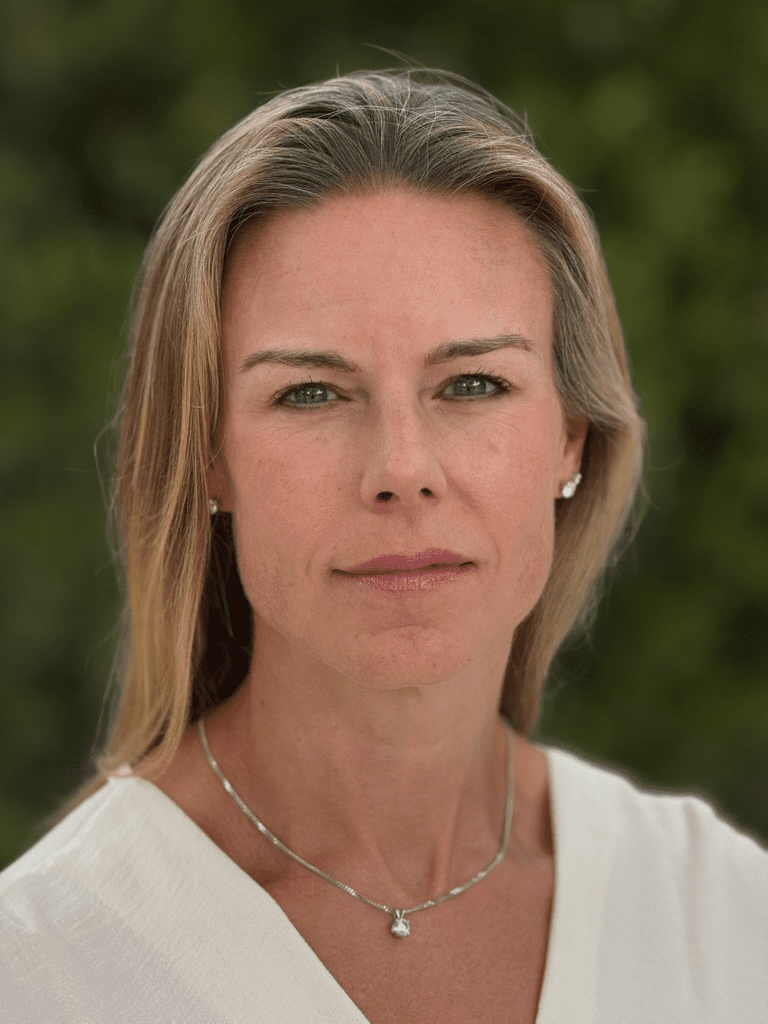
Dr Amy Eccles, Imperial College