|
Getting your Trinity Audio player ready...
|
About me
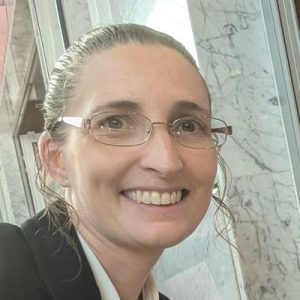
My name is Mary Phillips, and I am a Dietitian working in hepato-pancreatico-biliary (HPB) surgery in Guildford, Surrey. I qualified in 2000, doing my undergraduate degree at the University of Surrey, and since then have completed my advanced clinical practice accreditation and a PhD, which explored the long-term consequences of pancreatic surgery. I have been in the HPB post at Guildford since 2004, and during that time, my role has changed significantly as we have built a team and incorporated research into our practice.
My role
My post is part clinical and part research, I also manage a team of 9 dietitians and 2 dietetic assistants across three specialities – HPB surgery, Intensive Care and Nutritional Support – the latter team manage the intravenous nutrition in the hospital.
No two days are the same, and whilst there is some structure to my week, a lot of the time I spend reprioritising my day as new things crop up, and there is often cover for my colleagues if they are away to incorporate as well.
We are a tertiary referral centre for pancreatic surgery, and within that will see people who have neuroendocrine tumours in the pancreas (pNET), some will be under surveillance with us, others will be coming to have, or have had, an operation.
What does a typical week look like?
On Mondays, I attend a “board round” where we discuss the management of all of our inpatients. The Consultants discuss their upcoming operations, so I will make sure that we know about all the patients coming in for pancreatic surgery and have assessed them all beforehand – we make sure patients understand what will happen during their stay in hospital, explain about the need for pancreatic enzymes and vitamin and mineral supplements, as well as making sure they are not anaemic or have malnutrition or poorly controlled diabetes, as these can have an impact on how they recover from surgery.
The team then discusses the new referrals that have come into our centre, and I make a note of all the new patients we need to see and where they are being allocated to clinic. With 8 Consultants and 14 clinics / endoscopy sessions a week there is quite a lot of juggling to make sure we are in the “right place at the right time” to see the patients and no one gets missed.
I insert naso-jejunal (NJ) feeding tubes, so if there are any referrals for these, I will do these on Mondays too. The rest of Monday is mainly spent dealing with patient queries, checking blood results and booking new patients into clinics. I do some teaching for newly qualified staff on these days too, and provide “clinical supervision” – this means other staff can come and get a fresh set of eyes on a difficult case, or ask questions if there are aspects of someone’s care they are not sure about. I also have a role in managing the medication shortages we have – this includes the enzyme shortage and we have also had shortage of a lot of the enteral tube feeds that we use.
Tuesdays are a research day for me, I try and work from home on these days, where there are less distractions, I am involved in writing research grant applications and literature-based papers. I am involved in some committees that arrange training for Doctors, Nurses and Dietitians, and write patient information literature.
On Wednesday I have a clinic in the morning. Most of my patients in this clinic are due to have, or have had pancreatic surgery, some will have cancers, pNETs, or pre-malignant conditions. I advise on their enzymes, diabetes management, vitamin and mineral supplements, answer any nutritional queries and arrange their surveillance.
Some patients have feeding tubes in the community, and I’ll review the need for these, and how much feed we need to give them, and whether their tube needs changing. We then have team meetings for an hour or so, in the early afternoon. These alternate between teaching sessions and management meetings. After these, I will complete the administration tasks that have arisen from clinic – this includes, letters to GPs, referrals to other departments, booking blood tests and scans and liaising with our surrounding hospitals. I also have some time for NJ tube insertions if they are needed.
Thursday is my “University Day”, I recently finished my PhD, and still have reports and papers to finish from this. I also teach on some of the undergraduate and masters courses, so I do some lecturing on this day too.
Fridays start with a Consultant led ward round where we see all of our inpatients as a multi-disciplinary team, this allows us to make sure that we have a management plan for all the inpatients and gives us the opportunity to feed into that, ensuring that everyone’s nutritional needs are considered and we intervene appropriately if needed. After this ward round (which takes around 2 hours) I will go back to the patients who need a more thorough review to speak to them and implement any decisions made on the ward round. In the afternoon I have another clinic, this clinic is a long-term surveillance clinic, with patients who are more than a year after their operations, or have chronic pancreatitis.