|
Getting your Trinity Audio player ready...
|
 One way or another, a cancer diagnosis is life changing.
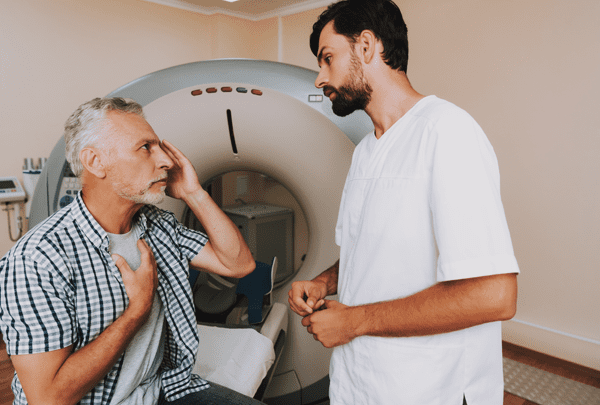
And when you are living with cancer, there will always be periods of time when your mind runs away with you, especially down the road of ‘what if’? Never is this more true than in the period leading up to a scan appointment.
For some patients, it can be really stressful and cause a lot of anxiety.
So, we thought the following top ten tips might help:
- Distraction
Staying busy in the days or weeks leading up to your scan will keep your mind occupied and help you stop thinking about the scan and its results. It doesn’t really matter what you decide to do, it’s the doing which counts. Take a short trip, try a new recipe, watch your favourite box set, lose yourself in a good book, try a new hobby or call a friend. At the very least, go for a walk in the beauty of nature. Do anything to take your mind off your nerves.
- Meditation
Meditation is not only good for your overall health, but it can also really help with anxiety. If you can accept what you cannot control, it can help reduce your scan anxiety. Whether your way of meditation is praying, yoga, sitting quietly or listening to calming music, find what helps you relax and do it.
- Sharing
Some cancer patients want to share their story. It can really help them and at the same time, gives hope to those facing a similar diagnosis. There is often a feeling of shared purpose, and by giving back, it can make a world of difference to the next person, too. There is often no better way to take your mind off your own anxiety, than by helping someone else.
- Exercise
Maintaining a healthy lifestyle through stressful times is not only good for your body, but good for your mind too. Exercise helps combat fatigue – both physically and emotionally – by releasing endorphins which can make you feel more at ease. Try to get outside in the fresh air as well, if you can.
- Support
Whether you are already going through active treatment, or it is your first time visiting the hospital, it always helps to have a friend or family member with you on the day. If you’re already fatigued by treatment, the simple act of being dropped right outside the door, or having someone else navigate to the correct department, can be such a help. Warn your companion to expect some waiting around but make the most of it and accept this time together. Ask them for any support you might need to make the appointment a better experience. People want to help.
- Rewards
Sometimes, the best way to take your mind off your worries is to treat yourself. This doesn’t have to cost anything. You could watch your favourite movie, eat your favourite food, take a nap, get a manicure or pedicure or do any other activity that you really enjoy. The point is to put your needs first, to really look after yourself as you would someone else that you love and care about. One regular patient, stops at John Lewis on her way home from each scan and buys a new lipstick.
- Results
Make sure you know exactly how and when you will find out your scan results. Sometimes, scan results will be given face to face, and sometimes (but not often) over the ‘phone. Most results take 10 days to a fortnight to come through. Plan your ‘results day’ in advance so that you can make the waiting period less stressful. It is far better to feel anxious for 10 mins than 10 days. And remember, you cannot change the results, so there is little point worrying beforehand.
- Relief
Hopefully, your friends and family – and your healthcare team – will be a strong system of support for you throughout your cancer journey. Let them take some of the strain in the run up to scan results, and share with them your relief when results are good. The relief can be tremendous for all.
- Worst Case
While we always hope for good results, it can sometimes lessen the anxiety by knowing what the plan will be if scan results are bad. Cancer makes you feel powerless and at the mercy of the disease. Having a plan in place can give back some of that lost feeling of control.
- Next steps
Have you ever just sat down and thought …. Wow I’ve been through a lot! Well if you’re reading this, you have already been through a lot. Whatever your next steps are, be kind to yourself and please do ask for help if you need it.