|
Getting your Trinity Audio player ready...
|
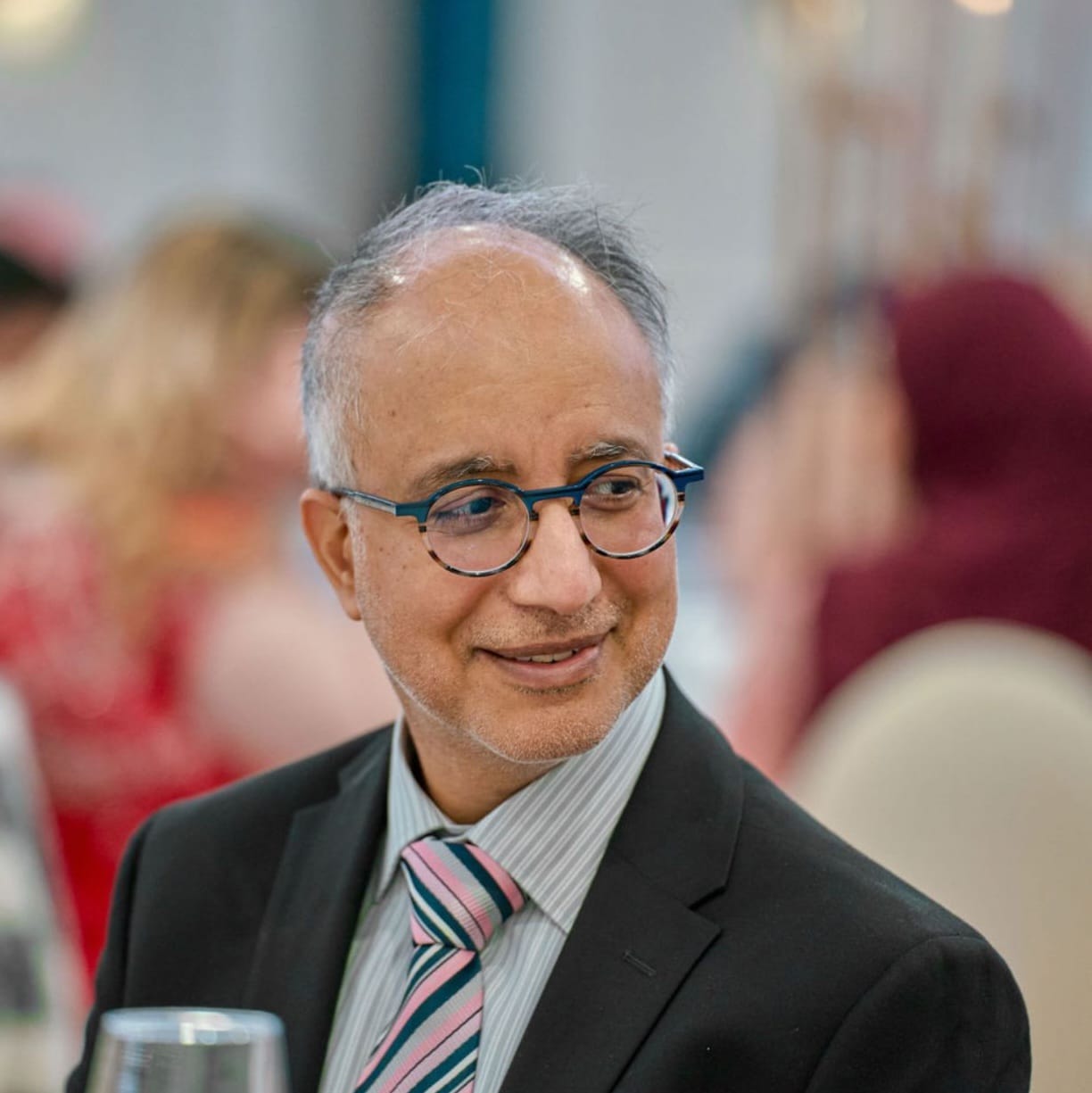
My name is Lesley Porch and I currently work full-time as a secondary school support teacher and pastoral care supervisor. As far back as 1995, I can, unfortunately, recall feeling unheard by my GP and I was then diagnosed with post-natal depression and IBS following frequent difficult gastric symptoms.
Over the years, I have learned to cope with terrible fatigue, and to manage my symptoms.
But by 2010, I felt unwell. My weight was yo-yoing, and I experienced several episodes of unrelenting pain which required intervention by paramedics – yet still raised no alarms with my GP.
By 2011 when my mother was terminally ill, the GP attributed my physical symptoms to stress and poor diet.
In April 2012 I went on the holiday of a lifetime to Africa. But returned in dire straits with my health and was once again, back at my GP.
My GP believed I still had depression and suggested that I was also focusing too intently on my IBS. My health issues were also now attributable to visiting a country with a high risk of contamination of various diseases. I lost 3 stone but was dismissed by my local Gastroenterology team with an array of diet sheets and Loperamide on repeat – but this did not relieve my symptoms of diarrhoea.
Periodically, I began to collapse. The joyful graphics of the situation – with endless talks of poo and pain to my GP, and my poor family. My symptoms were persistently whispering into my busy world when I was desperately trying to get on with being ‘busy and efficient’ in my career and as a working Mum.
In March 2014, following a coincidental collapse in front of my GP, I was admitted for urgent medical assessment and seen by a different Consultant. He asked a question that changed everything:
“What do you think is wrong?”
I plucked up my courage (or it may’ve been the morphine) and replied:
“I think I have bowel cancer.”
He replied: “Right, let’s get on with the appropriate tests.” And he did. CT scans and biopsies were performed and 8 weeks later in May 2014, I had major surgery.
I was diagnosed with a neuroendocrine tumour and was admitted for a right hemi-colectomy.
In June 2014, the histology report confirmed that several lymph nodes were also involved – this neuroendocrine cancer with all its stories of … ‘not really being cancer, just carcinoid’… had now invaded other areas of my body, too.
There was a little good news though. My surgeon was able to remove my primary tumour with clear margins. And I was put on a formal ‘Watch & Wait’ protocol.
It had been evident prior to my surgery in 2014 that Carcinoid Syndrome was also part of my diagnosis and careful plans had been made to protect me during surgery, but thereafter, no further regard for it was given. After continual self-advocacy, the Gastro team agreed to perform scans and checks on my heart which thankfully concluded there was no damage. But I continually ask for monitoring, even now.
Unfortunately, by 2015 I began to feel that there was still something not right.
I was told to be more positive and grateful that no further treatment or investigations were planned.
By now, I was wiser and a little more determined. I had found Neuroendocrine Cancer UK and attended a face-to-face NET ‘Natter’ in Bristol.
I had taken almost a year off work, but my recovery was frustratingly slow.
That time allowed me to read and research other stories and I became familiar with the terminology used. I understood more about histology (pathology), and I questioned everything.
In 2015, I sought a second opinion from The Royal Free NET Centre of Excellence and have never looked back. It brings me great peace of mind.
This disease has cost me more than just a piece of old bowel. It has destroyed my inner peace, and at times, my self worth. It has diminished my career in that it was seriously interrupted. I felt I had to take a lesser role just to be able to manage working at all.
Eventually, in a bout of consultations through January to July 2015, a consultant oncologist in my local team agreed to listen to me. I finally went to UCL (University College London) for a Gallium Scan and sure enough, there were several other tumours on my liver. I had a liver resection in September 2015, and it has bought me more time, but my disease is still on the move. The pace of growth is slower, but each scan brings a new dimension, new lesions which for now, remain small.
February 2023 brought new incidental findings. Evidence of lesions that may represent metastases to the lung have been investigated. Thankfully they still may or may not be – and I remain vigilant. We hope that it’s all still contained in my liver.
The proximity of the lesion of greatest concern requires more thought and to intervene now might be more damaging whilst I am still able to live some relatively normal life. We have returned to ‘Watch & Wait’ for a time. There is an increase in Lanreotide as a bid to outsmart the growth, but this brings more symptoms that are troublesome.
By January 2024, the question marks regarding lung involvement continue and together, we are monitoring developments. There are other treatment options in the ‘tool kit’ which my NET team can use when the timing is right.
But first – a change of lifestyle…
The whispers of symptoms continue but I now embrace them as signals from my own intuition – I know I still need to advocate for myself.
I live with the potential of progression. As well as managing the side effects which come with my monthly Lanreotide injections. I remain under shared care with my local hospital and The Royal Free NET Centre of Excellence. But the conductor in all this is me. I am my own secretary, my own investigator, my own researcher, and most of all, my own advocate. I fastidiously monitor this part of my story. My NET team is working in partnership with me – I oversee this lively onward medical exchange.
What’s helped me …?
Peer support from attending NET Natters, my fellow Neuroendocrine Cancer UK Ambassadors, and the Neuroendocrine Cancer UK staff.
Back in 2014, I helped set up a NET Natter group in Plymouth and we were a strong group until COVID hit. I have recently reformed the group and we now meet once per month. All new patients in the area are very welcome.
Offering a listening ear and signposting to appropriate guidance and support gives me a specific purpose outside of my own concerns. I can identify with the fear that accumulates so quickly from investigations, ‘the scanxiety’ timeline through to diagnosis and beyond. Helping to reduce the impact of this disease and to assist with maintaining links to a positive lifestyle is my passion.
Working in pastoral care for over 20 years I thought I knew how to handle trauma and fear. But it is impossible to be prepared for a cancer diagnosis.
Recently, I found I cannot balance my symptoms and medication side effects with my career, so I am finally retiring mid 2024.
I’m looking forward to enjoying time for myself, my wellbeing, getting fitter, and focusing on my hobbies of horticulture and gardening. I also want to grow the Plymouth NET Natter as there is such a need for the group in this area.
I cannot change my story, but I can use my voice to ensure others behind me are more easily understood.
I have moved from being ‘frightened to enlightened’. With every piece of research I read, every new patient I meet, and every new day I have, I count my blessings.
As Winnie the Pooh says: ‘it never hurts to keep looking for sunshine’.