|
Getting your Trinity Audio player ready...
|
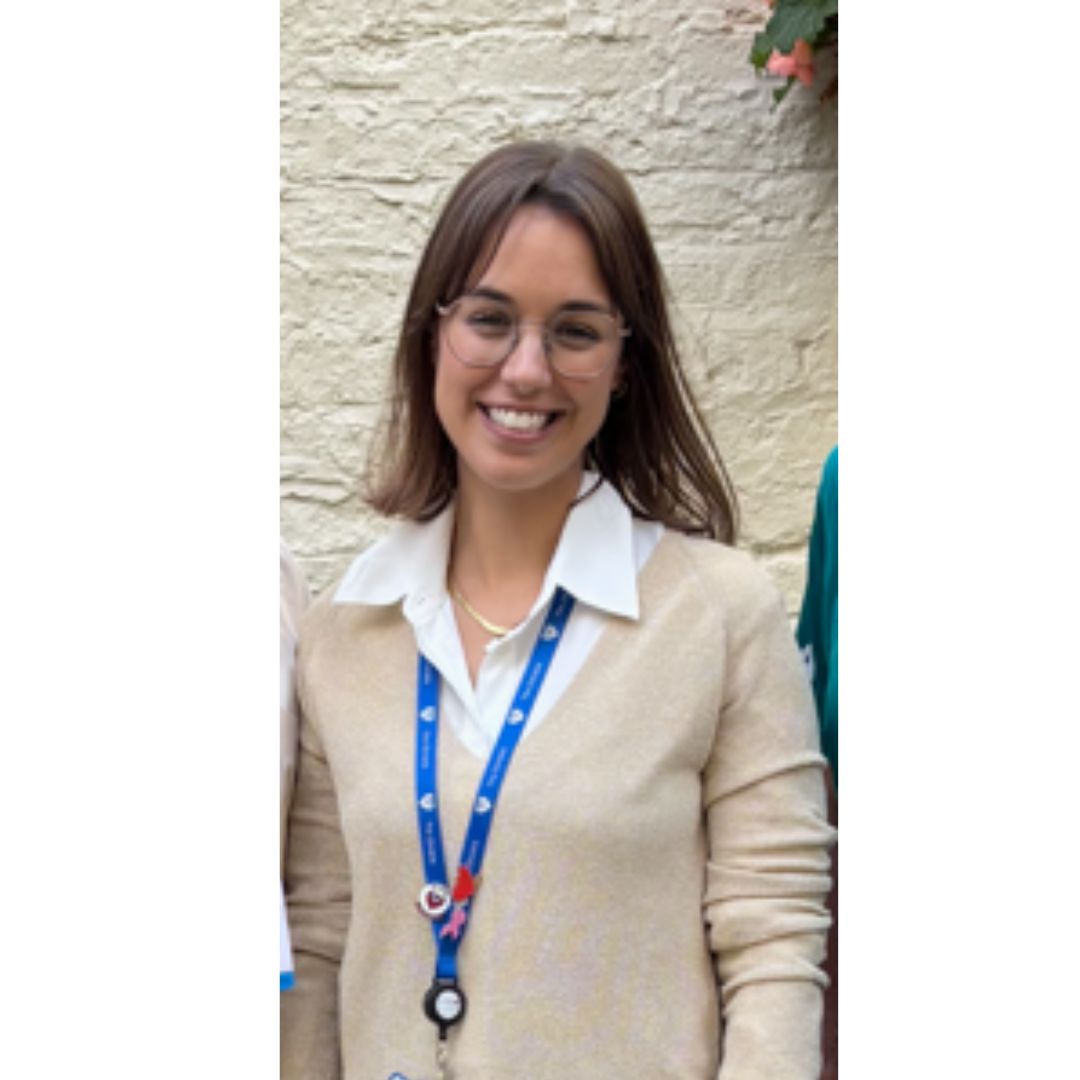
Name: Raquel Massa
Occupation: Nuclear Medicine Technologist
Hospital: The Christie NHS Foundation Trust
–
My name is Raquel Massa, and I’m a nuclear medicine technologist at The Christie NHS Foundation Trust in Manchester. My work blends advanced medical technology with hands-on patient care. It’s a specialised, constantly evolving field, and one I find deeply rewarding. In this article, I hope to share a glimpse into the qualifications involved, what drew me to the profession, and what day-to-day life looks like – especially in delivering PRRT (Peptide Receptor Radionuclide Therapy) for neuroendocrine cancer.
Training and Qualifications in Nuclear Medicine
Becoming a nuclear medicine technologist requires a combination of formal education, training, and certification. In the UK, there are different pathways to become a nuclear medicine technologist, with training typically ranging around 3 to 4 years in length. These programs focus on radiation safety, imaging sciences, anatomy and physiology, radiopharmaceuticals and, importantly, patient care. Professional registration is required, and because technologies change quickly, continuing education is essential throughout my career.
For those working in a department that delivers molecular radiotherapy therapies such as PRRT, a strong grasp of molecular imaging and radiopharmaceutical behaviour is vital. This therapy relies on the precise targeting of cancer cells, so understanding how these compounds interact at a molecular level becomes part of daily practice.
What Drew Me to Nuclear Medicine
My decision to become a nuclear medicine technologist was influenced by a deep interest in both technology and patient care. I wanted a career where technology was directly connected to improving patients’ lives, and nuclear medicine offered that balance. When I began learning about PRRT – an approach that allows radiation to be delivered directly to tumour cells – I felt drawn to the idea of contributing to a treatment that offers real hope with fewer side-effects than many traditional options.
One of the most rewarding aspects of my job is the direct interaction with patients. It’s not just about operating equipment or administering radiopharmaceuticals – it’s about being there for the patient during a vulnerable moment in their journey. There’s a lot of comfort in knowing that PRRT can significantly improve quality of life, and it’s fulfilling to help patients understand the therapy and guide them through each step of the process.
What a Typical Day Looks Like
No two days in nuclear medicine are ever the same, which keeps the job interesting. Some days, I might be preparing and administering radiopharmaceuticals for imaging scans, while other days, I may be delivering PRRT to a patient receiving treatment for neuroendocrine cancer. Each patient and each case require a slightly different approach, which keeps the job dynamic and intellectually stimulating. I work hard to connect with my patients and understand that for some, this can be a frightening time. But I try to answer all their questions and chat about what is happening.
When delivering PRRT, I collect a blood sample from the patient, cannulate and administer the treatment, ensuring the patient is comfortable. The treatment involves infusing a radiolabelled peptide that binds to specific receptors that are abundant on certain types of neuroendocrine tumour cells. Once the infusion is complete, we monitor the patient closely to make sure they tolerate the therapy well. Later that day or the next, we perform imaging to assess how the treatment has distributed throughout the body.
The Future of PRRT and Nuclear Medicine
The future of PRRT and nuclear medicine as a whole is incredibly promising.
Research is expanding the range of tumours that can be targeted, and new radiopharmaceuticals are being developed with improved targeting precision and effectiveness. There is growing interest now in combining PRRT with other treatments, such as immunotherapy, potentially enhancing outcomes for patients with complex cancers. These developments mean that technologists will continue to expand their roles and skills as the field advances.
A significant part of my job is educating patients about how nuclear medicine works and helping them understand the difference between PRRT and conventional therapies like chemotherapy. Chemotherapy circulates throughout the body and affects both healthy and cancerous cells, which is why side-effects can limit effectiveness.
PRRT, on the other hand, is highly targeted. The radiolabelled peptide seeks out specific receptors on tumour cells, delivering radiation directly where it’s needed while largely sparing surrounding tissues. This targeted approach often means fewer side-effects and can be easier for patients to tolerate, especially if they have already undergone several other treatments. Explaining these differences helps patients feel more at ease, knowing that their treatment is designed specifically for the biology of their tumour.
Why This Work Matters
My field is dynamic, rewarding, and offers a perfect blend of technical skill with patient-focused care. It can be challenging at times, especially with the need for precision, attention to detail and strong communication skills, but it’s also incredibly fulfilling to know that your work plays a significant role in improving patients’ lives. We are part of a team that uses some of the most advanced tools in modern medicine to diagnose and treat disease, often giving patients options they might not have had otherwise.