|
Getting your Trinity Audio player ready...
|
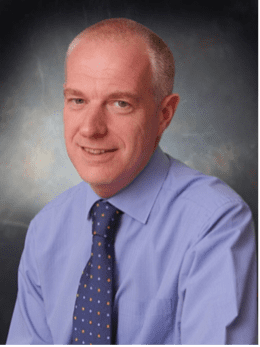
I have worked at Weston Park Cancer Centre in Sheffield as a Clinical Oncologist since 2004. Due to the significant changes in the treatments available for cancer, my job has continued to evolve over that time, and my interests now are mainly in the treatment of endocrine cancers – thyroid cancer, adrenal tumours and neuroendocrine tumours (NETs).
I am a member of the Sheffield ENETs Centre of Excellence multidisciplinary team (MDT) – a brilliant team of colleagues with expertise in the diagnosis and treatment of patients with NETs. The team meets weekly to discuss new and existing patients, review investigations, and agree the best treatment plan for each patient. My particular area of expertise is in the use of non-surgical treatments for NETs such as chemotherapy, targeted therapies, radiotherapy and Peptide Receptor Radionuclide Therapy (PRRT).
Why Neuroendocrine Oncology?
During my medical training I was drawn to oncology due to a combination of factors. It is a very evidence-based specialty with a key focus on research to improve treatments and outcomes for our patients. Teamwork is fundamental – working together with colleagues in other specialties and from other professional groups to provide the best possible care. Communication skills are key in being able to explain the pros and cons of different and often complex treatment strategies and helping patients to make the right treatment choices for them. It is a privilege to be able to walk alongside patients and their families and provide support at some of the most challenging times.
I find working with patients with rare neuroendocrine tumours particularly fascinating, with the hugely diverse range of tumour behaviour and functional syndromes, the need to work closely with some great colleagues, especially in endocrinology and surgery, and seeing patients benefit from the significant increase in treatment options in recent years.
What a typical day looks like
One of the things I enjoy most about my job is that no two days are the same. Monday is my busiest clinical day, with the whole day spent reviewing patients who are currently on treatments, following patients who are on treatment breaks, and seeing new patients to discuss treatment plans. Other clinical work during the week includes attending MDT meetings, supervising PRRT and other nuclear medicine therapies and planning radiotherapy.
But there are many other aspects of my role beyond direct patient care. Teaching is an important role I really enjoy – whether it be teaching local medical students and resident doctors or speaking at national and international meetings. It is great to be able to share experiences and learning with colleagues, especially when treating a rare group of tumours, where we are all learning all the time.
Supporting service development is another key aspect of my role. I work with a brilliant nuclear medicine team to deliver PRRT and other therapies to patients from across a wide geographical area. A lot of work goes on behind the scenes to ensure that staff are appropriately trained, equipment kept up to date, necessary licences renewed, new and improved treatments implemented, and high standards of patient care maintained. Advocating for the implementation of novel treatments with NICE, NHSE and other agencies is another important role.
Research is an important part of my job, too. We strive to have clinical trials available wherever possible, to allow those who are interested access to novel therapies that would not otherwise be available to them. Ensuring that trials are run safely and effectively takes a lot of work, but it is really rewarding to see treatments that we have been involved in testing coming through to routine care.
I also have a national research leadership role in the NIHR (National Institute for Health Research), as national specialty lead for cancer. This is a wide-ranging role, which includes working with policy makers to ensure equitable access to clinical trials across England, especially for patients with rare cancers, and a current focus on improving our delivery of trials of nuclear medicine therapies such as PRRT.
Summary
I feel hugely privileged to have been involved in the care of patients with neuroendocrine cancers at a time when treatment options and outcomes have significantly improved, and to have worked with some great colleagues who are focused on providing the best possible care for every patient.
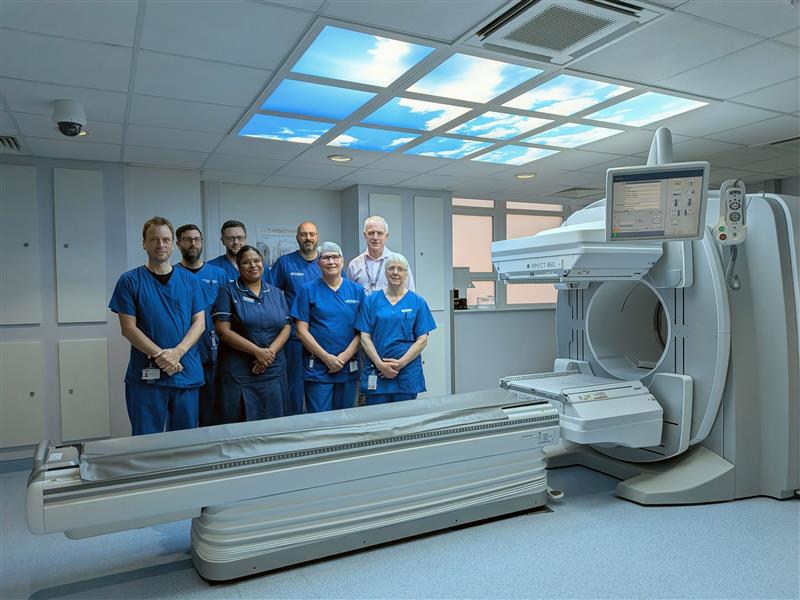
Sheffield nuclear medicine team