|
Getting your Trinity Audio player ready...
|
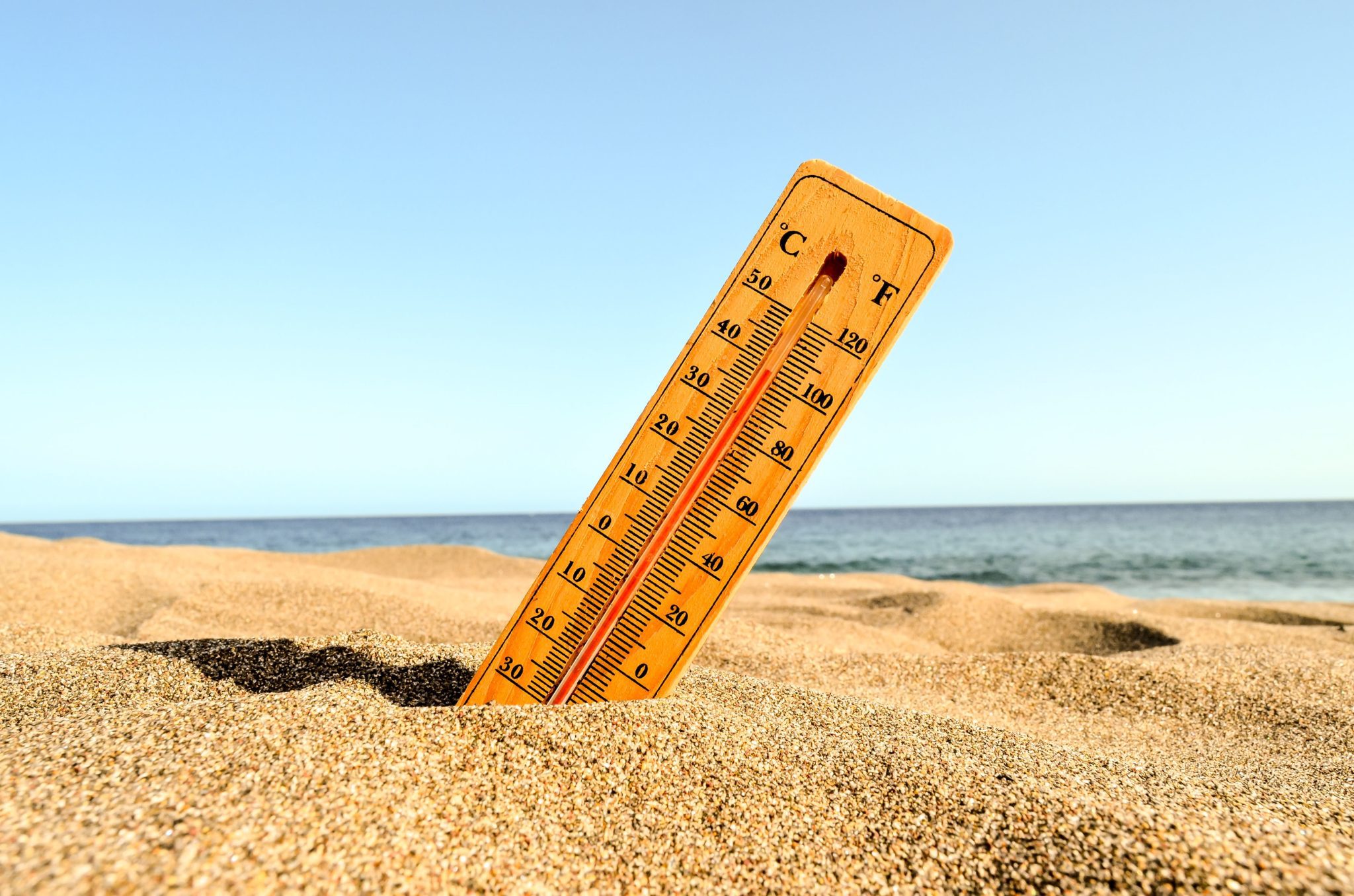
Hot weather in the UK (not just abroad) can affect anyone, but it can be more serious for people with health conditions or those receiving treatment. Simple steps can help you stay safe and well.
A heatwave can affect anyone, but some people are more vulnerable, including:
- People aged 65 and over
- Babies and young children (under 5)
- People with long-term health conditions, such as:
- Heart or breathing problems
- Dementia
- Diabetes or kidney disease
- Parkinson’s disease
- Mental health conditions
- Certain acute-on-chronic cancers
- People taking multiple medicines
- People who are already unwell or dehydrated
- People who live alone
- People who work outdoors or do physical/manual work
- People who are homeless or who work or spend a lot of time outside, particularly if they’re physically active, such as runners, cyclists and walkers
Stay cool and avoid the hottest times
- Avoid direct sun between 11am and 3pm
- Plan activities for the early morning or evening
- Rest in the shade where possible
- Wear:
- Loose, light, light-coloured clothing
- A wide-brimmed hat
- Sunglasses
- SPF 30+ sunscreen
- Avoid heavy or strenuous activity in the heat
Keep hydrated and eat lightly
- Drink fluids regularly throughout the day:
- Water, diluted squash, lower-fat milk, or low-sugar drinks
- Limit:
- Alcohol
- Caffeine
- Sugary drinks
- Eat light, cooling foods, such as:
- Melons (e.g. watermelon, honeydew)
- Peeled cucumber
- Applesauce
- Peeled peaches
- Light broths
These foods may be especially helpful if you have digestive symptoms (such as diarrhoea or flushing), as they are gentle and hydrating.
Keep your home cool
- Close curtains, blinds, and windows during the day if it’s hotter outside
- Open windows at night to let cooler air in
- Turn off unused lights and appliances
- Stay in the coolest room, especially for sleeping
- Consider visiting cool public places (e.g. libraries)
Look out for others
- Check on:
- Older adults
- Young children
- People with health conditions
- Anyone living alone
- Make sure their living spaces are not too hot
Recognising heat-related illness:
Heat exhaustion: occurs when the body overheats and cannot cool down. Heat exhaustion does not usually need emergency medical attention if you cool down within 30 minutes. If you do not take action to cool down, heat exhaustion can lead to heatstroke.
Common symptoms:
- Tiredness or weakness
- Dizziness or feeling faint
- Headache
- Muscle cramps
- Nausea or vomiting
- Heavy sweating
- Intense thirst
Usually improves within 30 minutes if you cool down and hydrate
Heatstroke (medical emergency): is where the body is no longer able to cool down and the body temperature becomes dangerously high.
Symptoms include:
- Confusion
- Loss of coordination
- Fast heartbeat or breathing
- Hot skin with no sweating
- Seizures
Call 999 immediately if you suspect heatstroke and try to cool the person down.
You can find out more about symptoms of heat exhaustion and heatstroke on the NHS UK website
**Extra care during cancer treatment**
If you are receiving treatment:
- You may be more sensitive to heat and sunlight
- Some treatments can make your skin more likely to burn
**Take extra precautions**:
- Avoid strong sun (10am–4pm)
- Stay in the shade whenever possible
- Wear protective, breathable clothing
- Consider lighter alternatives to wigs (e.g. cotton head coverings)
- Drink plenty of cool fluids
- Avoid alcohol and caffeine
- Keep your home cool
- Avoid intense exercise – and check with your care team before activities like swimming (particularly if immunocompromised).
Check with your care team before undertaking activities such as swimming, etc . . .
Act early if you notice symptoms like headache, dizziness, nausea, or fatigue
Staying safe when swimming
Swimming pools, rivers, lakes, or the sea can be a fun way to cool down when the weather is hot, however, take care:
- Follow safety signs and guidance
- Swim where there is lifeguard cover
- Never swim after drinking alcohol
- Use a buoyancy aid/life jacket where needed
- Be aware of cold-water shock
- Get out as soon as you start to feel cold
- Swim parallel to the shore, not away from it
- Never swim alone
- check Swimfo to look up details of a designated bathing water quality by name or location
Sunburn risk is higher in water—use water-resistant sunscreen and reapply regularly.
Key messages
- Drink plenty
- Keep cool
- Avoid the hottest part of the day
- Act quickly if you feel unwell
If you have a long-term condition or are receiving treatment, take extra care and seek advice if needed.
Support and further information
It is important to remember to take care of your mind as well as your body and to get support if you need it. There are sources of support and information that can help.
- Every Mind Matters – mental wellbeing support
Practical care & advice:
- NHS Heatwave Guide – practical advice
- Local council services – support for vulnerable people