

The
invisible cancer
Let’s change that. Tell someone. Make it harder to miss.
We don’t want neuroendocrine cancer to be missed. Known as ‘the invisible cancer’, it currently takes an average of nearly five years to get the right diagnosis.
And even after diagnosis, the challenges can remain hidden. People may appear well while coping with debilitating symptoms, ongoing treatment and the emotional impact of living with cancer.
Raising awareness is an essential step towards change
Better recognition and understanding can help reduce delays in diagnosis, improve access to specialist expertise and ensure the impact on people’s lives is better understood.
That’s why we’re working to make neuroendocrine cancer harder to miss.
Turning awareness into change
Our Invisible Cancer and Seen Too Late reports bring together the voices, experiences and evidence of our community to highlight the realities of neuroendocrine cancer. They explore the challenges people face, build understanding of why change is needed and help make the case for earlier diagnosis.

The Invisible Cancer
Launched in February 2026, The Invisible Cancer explores why neuroendocrine cancer remains so often overlooked and misunderstood. It brings the experiences of our community into the open, highlighting the impact of delayed diagnosis, hidden symptoms and the challenges of living with a cancer that many people have never heard of.

Seen Too Late
Our follow-on report, Seen Too Late, launched in November 2026, reveals how little has changed in the diagnosis of neuroendocrine cancer. Six years on from a previous survey, people are still waiting an average of nearly five years for the right diagnosis. Behind these figures are people living with unexplained symptoms, uncertainty and the frustration of not being heard. Drawing on our community’s experiences and new evidence, the report sets out the need for earlier recognition, better access to specialist expertise and more joined-up care.
By sharing these findings, we want to make it harder for neuroendocrine cancer to be missed and build momentum for change.
The Invisible Conversation
We gave the invisible a voice. Then waited to see who would listen. One ordinary bench. Unsuspecting strangers. And the voices of real people living with neuroendocrine cancer. Because something this important shouldn't be missed.
As neuroendocrine cancer is known as ‘the invisible cancer’, we decided to bring that invisibility to life. We invited people to sit on a bench and hear the voices of real people living with neuroendocrine cancer – coming from an apparently empty seat beside them.
Neuroendocrine cancer takes an average of nearly five years to get the right diagnosis.
Let's change that. Tell someone.
Make it harder to miss.
You've heard their voices. Now meet the people behind them.
Kerie
“And if you met me, you probably wouldn't know I had cancer. But we're invisible in another way too. Hardly anyone's heard of us.”
Dave
“When you leave this bench, do me a favour. Talk about me. Tell one person you met an invisible dad called Dave who lives with neuroendocrine cancer.”
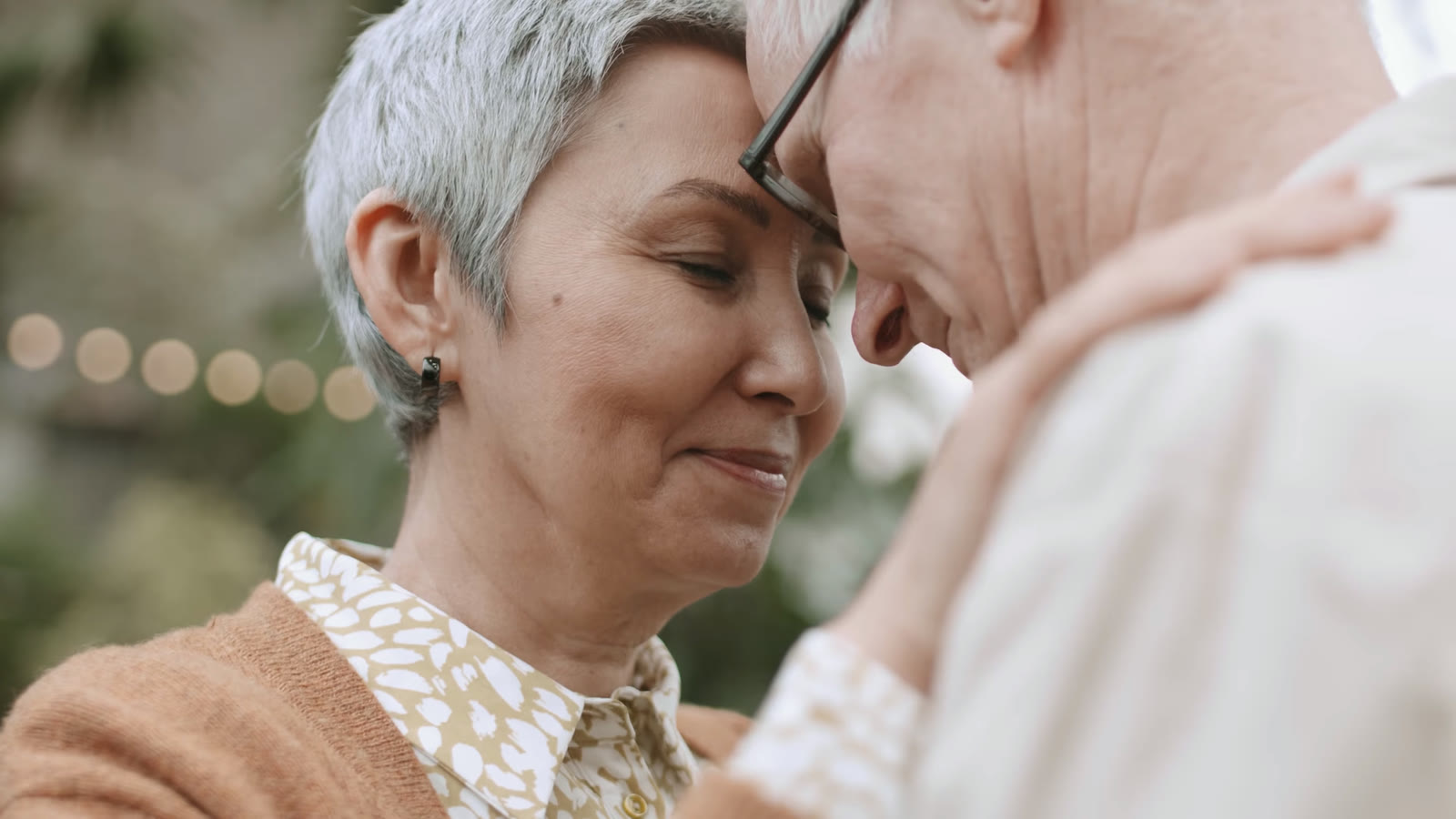
Mary & Tom
“Getting diagnosed wasn't straightforward. Neuroendocrine cancer can be tricky to recognise because the symptoms can look like other things.”
What is neuroendocrine cancer?
Neuroendocrine cancer is an uncommon type of cancer that can develop in different parts of the body. It includes neuroendocrine tumours (NETs) and neuroendocrine carcinomas (NECs), which can behave differently and require different approaches to treatment.
Could it be neuroendocrine cancer?
Neuroendocrine cancer is often called the invisible cancer because symptoms are non-specific, affect multiple body systems, and are frequently misdiagnosed.
Help to make the invisible visible
The more we talk about neuroendocrine cancer, the more we can help others understand the experiences of people living with it. Help us raise awareness by sharing this campaign and starting conversations.