|
Getting your Trinity Audio player ready...
|
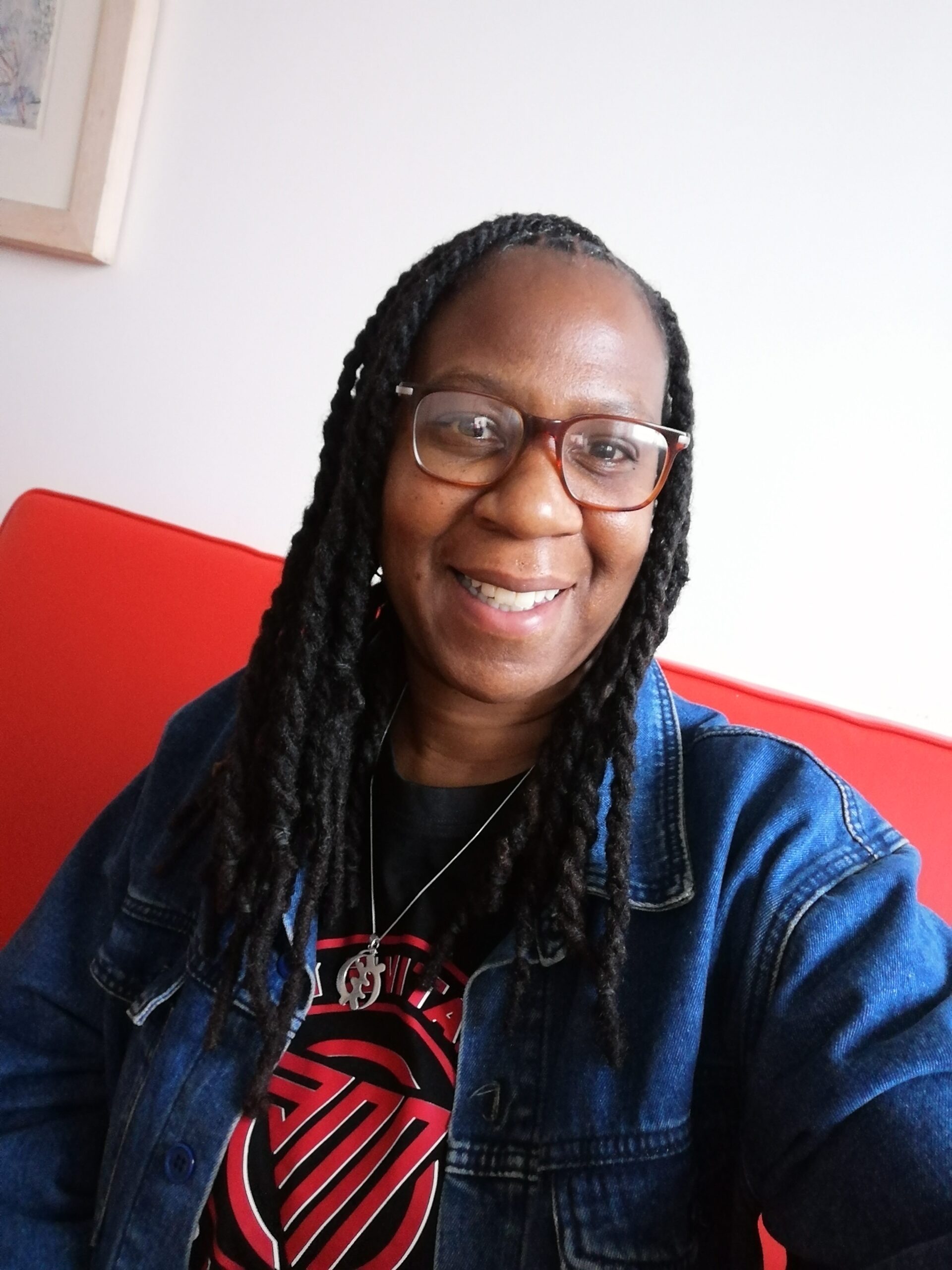
Debra (51). Diagnosed February 2021
Rare Rectal Primary with Liver Mets
I recall visiting my GP in 2015. I felt increasingly tired and lethargic with joint pains, as well as recurring cramps in my pelvis and bottom, so I started to get concerned that it may be the start of my menopause and if not, I needed to find out the reason I was feeling so tired with these consistent pains.
My GP took a series of blood tests, which led to a referral to the Haematology & Rheumatologist team.
After a few months of tests and appointments I was diagnosed with Primary Sjogren’s syndrome, an autoimmune disease that was affecting my joints, causing dryness in my eyes and mouth, and from time-to-time inflamed glands in my neck and throat, (they had no explanation for the recurring cramps). With a diagnosis, I chose to look at a more holistic way of managing my symptoms, as I was not too keen at the time in using the steroid medication that was being offered to me.
I learned how to manage my symptoms, working on pelvic floor exercises, taking vitamins, exercising more (despite the pains), and eating more fresher foods (less processed) all helped minimised my symptoms for a while. Then, in 2018 the cramps in my bottom and pelvis started getting worse, along with irregular and inconsistent bouts of diarrhoea, constipation, and frequent urination.
In 2019, I was referred to a Bladder and Bowel specialist. The doctor said I was having ‘Pelvic organ collapse’. He explained my rectum was pushing down on my pelvic area causing prolapse and the cramps I was experiencing.
Then I started to notice red specs in my stools around October/November 2020. I made another appointment with the GP who asked me to bring in a stool sample. They confirmed what I had suspected that it was blood.
In 2020, I was booked in for a Colonoscopy. This was not the start of the new year I wanted but pleased it had been arranged so quickly. I remember watching the whole procedure on the screen. The camera passed slowly up and down my colon. The doctor explained beforehand that if she found anything that might be causing my symptoms, it could be removed safely.
Then I saw her poking and sniping at a lump that looked to me like a pink mushroom. As she finished, she explained that she had found ‘a tumour-like growth’ in my rectum and that she thought it best to take a sample first before attempting to remove it. She then proceeded to put the test tube in the sample bag with URGENT marked all over it in red bold writing. This was my first ‘red flag’ that I should have paid attention to.
I came home and casually told my mum what had happened. A couple of hours later, I got a call from a Macmillan Navigator nurse specialist. This was my second ‘red flag’ that I did not acknowledge: why a Macmillan nurse was calling me when I only just had the procedure? She started to explain what would happen in the next few weeks, booked me in for scans and other follow up appointments, explained the results would be discussed with the Multi-Disciplinary Team (MDT), and then I would be contacted again.
I wrote down all the information and can remember her asking me several times if I understood. I read back all the information she had given me to her to reassure her, but thinking back now, I remember being calm and emotionless, she obviously thought I did not understand what she was explaining. In hindsight I think I was still quite sedated from the procedure earlier. I was numb in thought as well as body.
As it wore off, I lay in bed that night, with the events of the day starting to concern me. I managed to keep that worry and concern to myself for the next few weeks.
I needed an MRI, a CT scan plus more blood test in the weeks before I was called back to see the Colon surgical specialist. All this while in lockdown. I feel so blessed thinking back that I was still able to have that first meeting, face to face and that it happened so quickly.
But 22 February 2020 is a date etched in my memory forever!
As I entered the doctor’s room everything I was consciously trying not to think about, was about to become my reality. The Surgeon Specialist and Navigator nurse introduced themselves and proceeded to give me the results of my test. The growth that was discovered in my rectum was in fact Cancerous. That is all I remember hearing.
I managed to ask one question: is it treatable? He answered yes. That is all I wanted to hear. I remember thinking it did not look that big, surely, they would be able to cut it out and cure me.
So, what was next? Do I tell my family and friends? Has it spread? How long before they cure me? What was the treatment plan? Would I die? These are some of the thoughts that would bombard my brain in the coming days.
I decided to tell my family, close friends, and some work colleagues. The hardest moment was telling my two sons. I was positive and upbeat and assured them that it would be OK, and that no way was this disease going to get the better of me! Keeping the same reassuring message to everyone, I believe I managed to help keep everyone as positive as I was pretending to be, at this point.
I now needed more scans and a biopsy. These would help to identify the type of cancer I had. My Surgeon wanted to wait until results from these came back before we discussed the removal of the tumour. After another intense few weeks with two more scans and waiting for test results my prognosis was confirmed.
I had Neuroendocrine Cancer and it had metastases to my liver, which was when all the worry and concern that I was keeping at bay hit me like a hammer over the head. While it was all being explained to me …. the only key words that seemed to register at that point were ‘Stage 4 Cancer,’ neuro something, rare cancer, not curable’.
My fear and concerns were overwhelming at this point, but I still hid that from everybody. The specialist nurse gave me the details of Neuroendocrine Cancer UK (NCUK) and the surgeon advised me not to look anything up on Google. Next step was to meet the Oncologists and then decisions could be made on a treatment plan.
Still overwhelmed with fear but not trying to show it, I started to read the information on the Neuroendocrine Cancer UK website, learning as much as I could about this cancer.
I quickly learnt that this was not just going to be a challenging physical journey, but one that would test my mental state even more.
I had already started on a spiritual journey of self-awareness before my diagnosis, which helped me deal with the trials of Covid. Now I was going to have to channel my spiritual beliefs even harder for this next chapter of having Cancer. I started to do more meditation, focusing on myself more and discovering how using crystal therapy and manifestation could help me think in a more positive light and deal with this new journey.
I wanted to be prepared, informed and confident in understanding what was happening to me. Then I discovered – the Natter Support groups on the NCUK site. I signed up for my local group with London Hammersmith – because of Covid these groups were being held on Zoom. My sons and husband attended the first meeting with me, and we were all made to feel so welcome and reassured for the journey ahead. I had so many questions but was scared and shy to ask. The following couple of sessions were quite difficult. I was an emotional wreck, but it felt right to let go in this space. I started attending other sessions around the country and began feeling a different kind of support. I had found somewhere to share my fears and emotions outside of my immediate support network.
My family and friends were a great support, but I also felt like I had to be supporting their worries and concerns by being constantly positive to alleviate their concerns. I did not have to be that way in the Natter groups. I was able to attend more Natters sessions around the country because of the time I had taken off work. I was attending meetings at least once a week during the summer months and with the information on the website and the conversations that I was having with all the new people that I was meeting, I started to feel in control and have more acceptance of my condition.
Almost 12 months after being diagnosed, I am now the best advocate for myself. The mets in my liver are inoperable, but treatable. The tumour in my rectum is best left alone for now, as surgery could be more life changing than I need it to be.
My treatment plan was as follows. I started Lanreotide monthly injections in March 2021, and at the time I thought this was the only treatment available.
I later learned this was not the case (thanks Natters). After 3 Lanreotide injections, the mets in my liver had not slowed down in growth, so I was recommended for PRRT (Peptide Receptor Radionuclide Therapy) – a targeted radiotherapy treatment that delivers radiation to specifically targeted cancer cells, with a minimal effect on healthy cells to stabilise growth, and might possibly shrink some tumours too.
This treatment is administrated four times with an 8–12-week interval between each one. I am pleased to say I will be receiving my fourth and final dose in February 2022. My side effects from the treatment have been fatigue for a few days, irregular hot flushes, and for now I must watch what I eat as I can give myself uncomfortable indigestion, which usually only calms down when I going to the toilet or vomiting.
For now, things are looking good. I’ve been told there are signs of some shrinkage, but I still have a long road ahead of me.
Although this is a cancer that will be with me for the long haul, I feel so much more confident in being able to manage it.
It has been a rollercoaster of emotions, but I am mentally in control of my condition now. The information on the NCUK website, Nikie, Kate, my fellow Natter participants, family, and friends, along with my spiritual beliefs have gotten me to this point.
I have cried, laughed, felt sad and happy. But always feeling supported whatever the situation. I know that this cancer is something I can live with, and I plan to continue to try and live my best life. Everyone will be different.
I hope by sharing some of my experiences it will help to make someone else’s pathway feel more positive… just like the stories and invaluable information shared on NCUK and Natter groups have helped me.
Debra