|
Getting your Trinity Audio player ready...
|
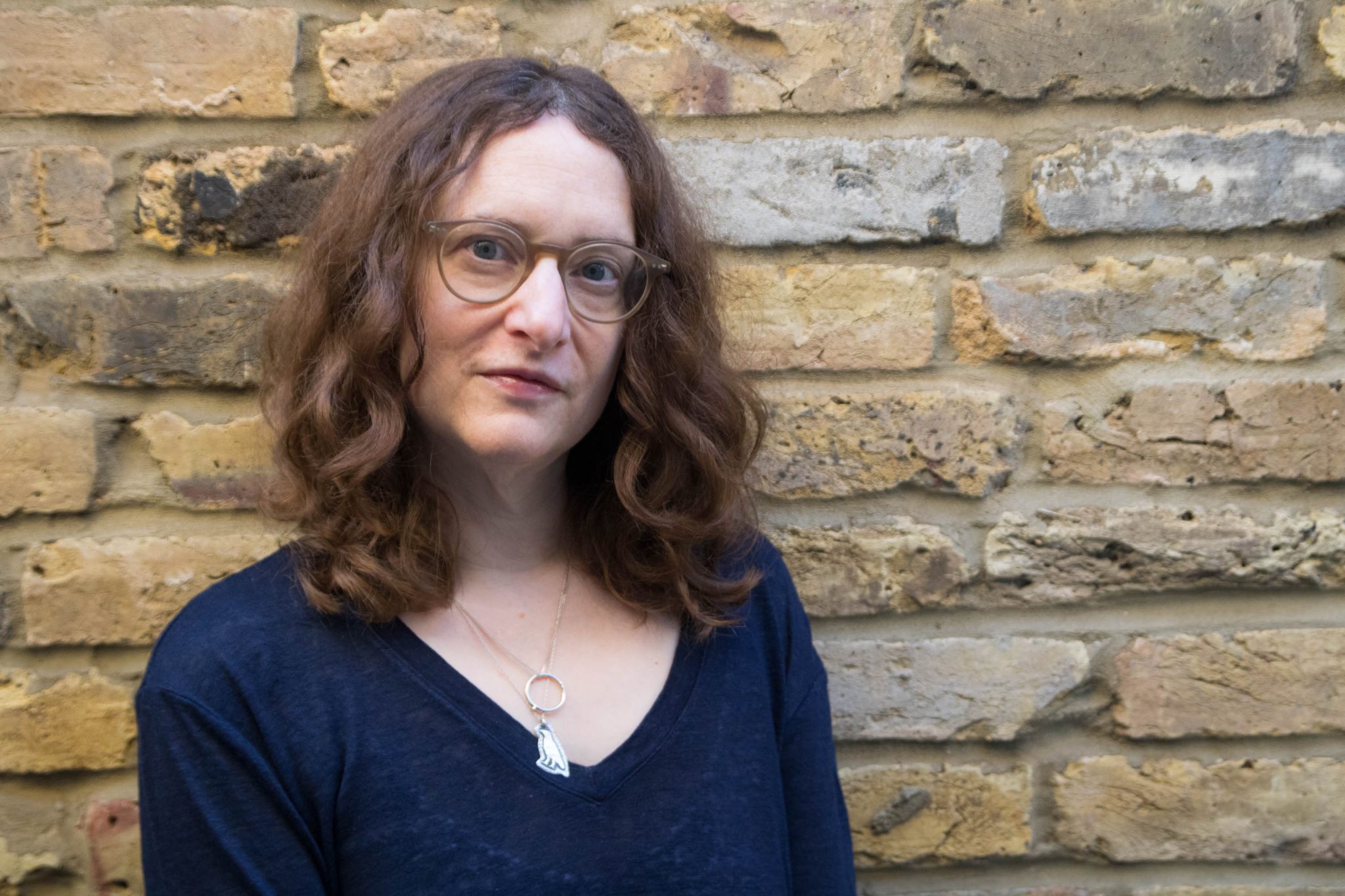
Name: Katie
Onset of illness: October 2015
Location of Primary: Pancreas
Treatments prior to transplant: Distal pancreatectomy, liver ablation, liver wedge resection, Lanreotide injections, Everolimus, 4 treatment cycles of PRRT
–
–
Katie’s Story
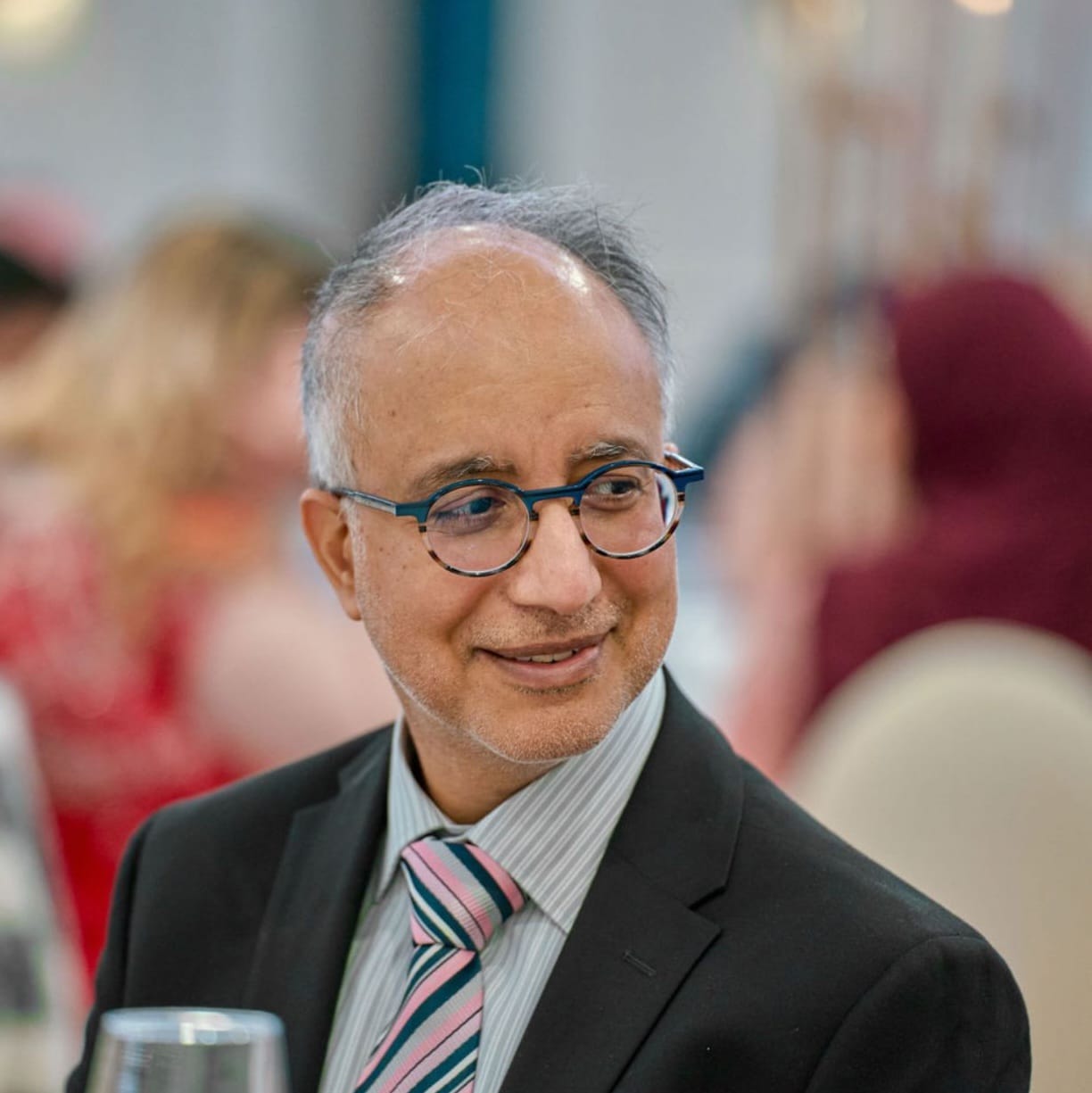
My journey to transplant began two and a half years ago. I was the instigator of the conversation. ‘Am I eligible for this?’ I asked Professor Sharma at Hammersmith Hospital. She raised my case with Dr Shah, lead consultant in the pilot programme for liver transplantation in NET patients.
The first thing that the team requested was PRRT treatment, which I underwent from late 2023 to early 2024. Next to be called into question was my diabetes type 3c, which had arisen as the result of my cancer, and the treatments used to treat it, specifically Lanreotide and Everolimus. What was my understanding of the fluctuations of blood sugar that came with the management of type 3c? I remember very clearly reaching for a vocabulary, a density of words, that could articulate the idiosyncrasies of a type of diabetes that some medical professionals had not even heard of, and not all believed in.
I had many different scans. Something unusual was found on my spine. This scan was sent to Stanmore, the Royal Orthopaedic Hospital, for a second opinion. They diagnosed a haemangioma. My old dance injuries became a talking point. I tried hard to remember every stress fracture, every pulled ligament, every pulled muscle I had sustained during my career as a ballet dancer.
This was a challenging part of the journey for me. I lost myself in a line of poetry by Ilya Kaminsky, my favourite living poet: You are alive, I whisper to myself, therefore something in you listens. (Deaf Republic, 2019). I took this line with me to a local park. And made an offering of flowers and twigs and placed them on a large tree stump. This ritual existed as a small thank you for how far I’d come, and an external placement of internal feelings. I gave to the land what I could not hold.
Two thirds of the way through this journey, my dad died. In my efforts to locate him where he now existed, I found myself talking to the night sky. There was something in the language I was using,
I will find you again. We will get through this, that allowed me to realise that not only was I speaking to my dad, I was also perhaps speaking to a future version of myself post-transplant.
The simple future tense was like music in my mind. I had somehow migrated, shifted all parts of myself, from the possibility of transplant to the probability of transplant.
The life-changing phone call came on my sister’s birthday. I was on my way to visit my mum, and travelling past the place where my dad used to work. I took that as a sign.
In October 2025, I met with Dr Kok, a liver consultant at the Royal Free Hospital. She was eloquent and kind. She kindly hit me with statistics: my survival rate with and without transplant, the complications of surgery by percentage of likelihood. I am not good with numbers, and those statistics winded me.
I was enrolled onto the two-day assessment programme at the Royal Free Hospital in December. In preparation for this, I bought myself a step machine. I did my steps whilst singing, working leg and lung strength. I did non-weight-bearing exercises and a modified ballet barre. The assessment was gruelling; there were tests, scans, and multiple specialists to see. I was told that my arm strength was strong, and that my surgery would be a little more difficult due to old scar tissue from my distal pancreatectomy incision.
Post-assessment, I was required to undergo allergy testing. I had a history of allergy to contrast dye, and contrast dye would be used in multiple CT scans after transplant.
On Christmas Day, I started talking to my future donor. I acknowledged them as a living, beautiful soul. I asked them about their day. I told them small stories about my life. I was open and fluent. I wholeheartedly wished to give something of myself to someone who would be giving so much to me.
I signed the declaration on the 12th January 2026, agreeing to abstain from alcohol and to continue with my exercise regime. I went to that appointment with a singular question regarding the possibility of memories and desires transferring from donor to recipient. That question was met with reticence.
On the night of the 14th of January, I received a call to come to the Royal Free Hospital. That small window of space between the 12th and 14th – what even was that? As I moved between rooms, throwing items into a hospital bag, I hummed Vivaldi’s Winter (L’inverno). I stuck to the opening bars. I had danced to that music once, and the opening bars held such brisk, intricate choreography. The ongoingness of it. I was there, in the past, dancing. I was there. Ready enough. Ready.
I went into surgery the morning of the 15th of January, my youngest nephew’s birthday. Another sign. My lead surgeon was Mr Pollok, a tall, quiet man with a generous heart. It was a complicated surgery. I was sedated and spent 3 weeks in ICU. I required further surgery for internal bleeding. There were places I visited in that ICU space that were close to this world, but not of this world. I was unready for them. Unready for their landscape and their intonation. There were iridescent colours, there was imperturbable humming, and there were apples, so many apples. Perhaps my donor had loved apples?
I came out of sedation, and the calendar clock was there to greet me, informing me of pre-dawn and pre-dusk, preparing me for things yet to happen.
When I regained the use of my arms, I drew the outline of my body on the bed, so I knew where I ended and the hospital began. I was building a way out.
Once stable, I was moved to Ward 9 North. I made a friend, a fellow liver transplant patient younger than myself. Two nurses were fundamental in my recovery. One, a tall, strong woman who advocated for me in every way she could. One, a woman who slipped into spaces almost unnoticed, her kindness all-consuming. She was so much more powerful than she believed herself to be.
I returned home six weeks after my transplant and began the process of rediscovering my home space. The small step in the hallway felt like a mountain. I struggled to put weight on my left foot, which had been injured during the surgery. I used a wheelchair when I ventured outside. I still do. I walk a little further now, and my legs are growing stronger. I am on a mission to find safety in this new body, to find solidity. For this is a body still undergoing treatment. I have regular ERCPs (endoscopic procedures) to treat ongoing biliary issues. I have regular consultations with specialists from various disciplines to treat issues that arose during transplant. I am healing, slowly, and I am currently NED (No Evidence of Disease).
I have an apple tree which grows in a pot in my garden. It is strong and fragrant. I am able to walk out to it now, and standing beside it, I acknowledge my donor. ‘Thank you always, thank you always,’ are the words I currently use. The echo is resonant. I tend to the sound. Perhaps we are here to shape this experience together, my donor and I?
I carry memories which seem intrinsic to me, but are not of me. I now know, in my bones, that it is possible for memory and desire to be transferable from one body to another.
There are words I have to offer those who take this journey after me. Look into the bigness of who you are. The medical professionals, as a whole, are excellent at holding your smallness, the body limited by disease. Only you can hold your light, your innate capacity.
Witten August 2026[/et_pb_text][/et_pb_column]
[/et_pb_row]
[/et_pb_section]