|
Getting your Trinity Audio player ready...
|
… After being diagnosed with a rare lung neuroendocrine tumour, Chris’s journey has involved major surgery, ongoing treatment, and learning to navigate life with neuroendocrine cancer. Now, as an Ambassador for Neuroendocrine Cancer UK, he shares his experience to help others feel less alone….
Chris says: In February 2021 my life changed irrevocably when I was diagnosed with a lung neuroendocrine tumour (Atypical Carcinoid). Like many people, I had never even heard of neuroendocrine cancer before. Suddenly I found myself trying to understand a rare condition, unfamiliar treatments, and a whole new medical language.My initial treatment was chemotherapy using Carboplatin and Streptozocin, but unfortunately it wasn’t successful. After seeking a second opinion, I was offered surgery at Bristol Royal Infirmary. In September 2021 I underwent a right lung pneumonectomy to remove the tumour.
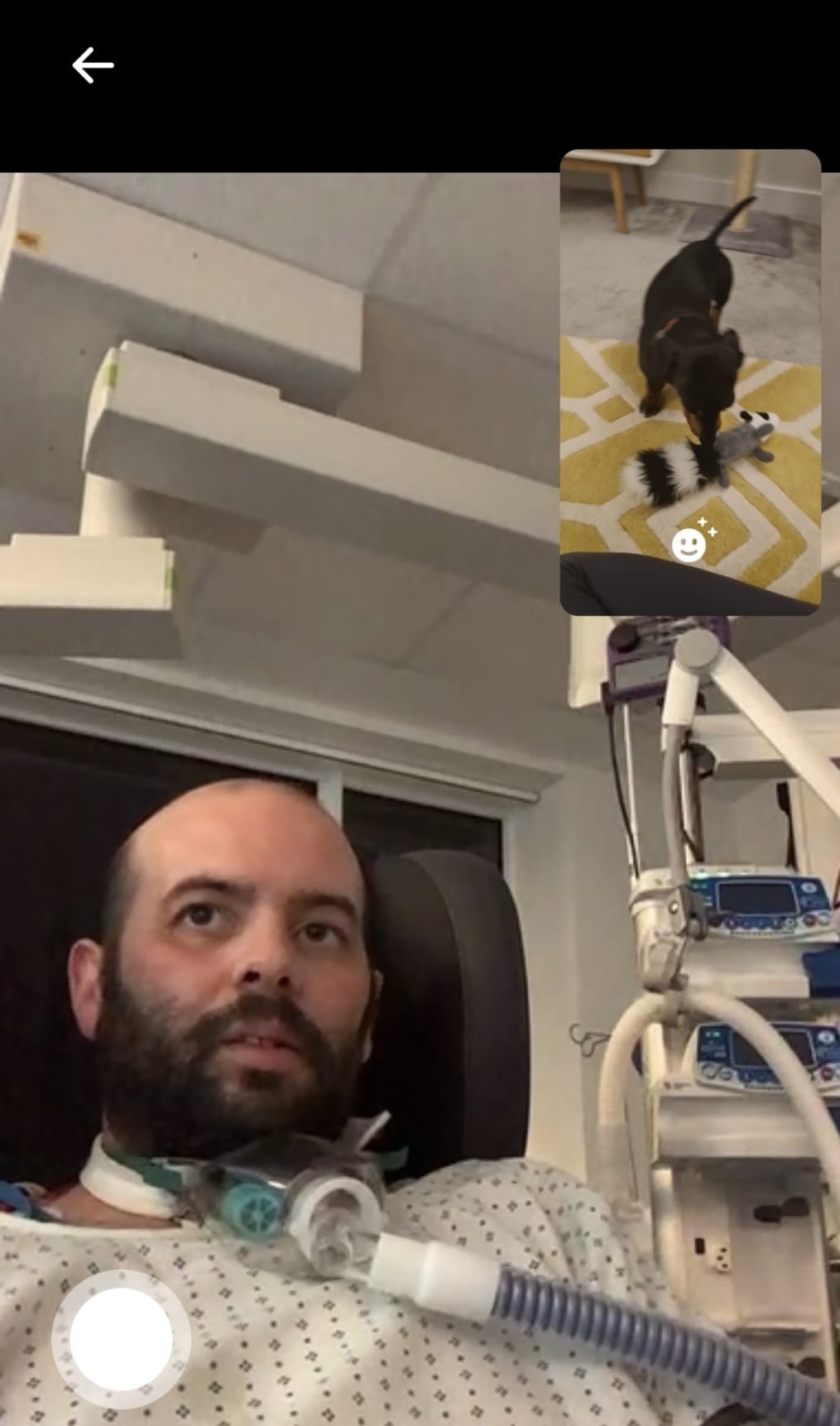
The surgery ultimately saved my life, but the road afterwards wasn’t easy. I spent time in intensive care and recovery was slow and challenging. Just when things seemed to be settling down, further scans in 2022 revealed bone metastases in several areas, including my spine and hips. Like many people living with neuroendocrine cancer, my journey has not been straightforward. More recently I started CapTem oral chemo treatment and have seen some encouraging results, despite experiencing further progression during 2025.
Through all of this, one thing became very clear to me: how important good information and support are when you are living with a rare cancer.
Neuroendocrine cancers are not widely understood, and it can be easy to feel isolated after diagnosis. Knowing there are organisations and communities that understand what you’re going through makes a huge difference.
That’s one of the reasons I wanted to become an Ambassador for Neuroendocrine Cancer UK.
The charity plays a vital role in raising awareness, supporting patients and families, and improving understanding of these conditions. During my own journey, I saw first-hand how valuable that work is. Becoming an Ambassador felt like a natural way to give something back.
What I bring to the role is simply my experience. Living with neuroendocrine cancer teaches you resilience and patience very quickly. It teaches you the importance of asking questions, advocating for yourself, and finding the right support. If sharing my story helps someone else feel less alone or better informed, then it’s worthwhile.
Since my story was first shared by Neuroendocrine Cancer UK, I’ve continued to stay involved with the community. I’ve attended support groups, taken part in patient events, and more recently worked with peers to help create a Webinar exploring some of the additional challenges that can come with being diagnosed at a younger age. The Webinar will go out next month. It’s been encouraging to see awareness of neuroendocrine cancer continue to grow.
Every conversation, shared story, and piece of advocacy helps move things forward.
Living with neuroendocrine cancer has changed my outlook. I try to focus on taking things one step at a time. Having the support of Neuroendocrine Cancer UK, and the wider community around it, makes a real difference—especially when starting new treatments or dealing with progression. Hearing from other patients who have lived with the disease for many years provides reassurance and hope.
For anyone considering getting involved—whether as an Ambassador, volunteer, or supporter—I would say don’t underestimate the value of your experience. You don’t need to have all the answers. Sometimes simply sharing your story or listening to someone else can make a real difference.
Raising awareness about neuroendocrine cancer remains incredibly important. The more people who speak up, share their experiences, and support one another, the stronger our community becomes—and together we can make sure that no one facing neuroendocrine cancer has to feel alone.