|
Getting your Trinity Audio player ready...
|
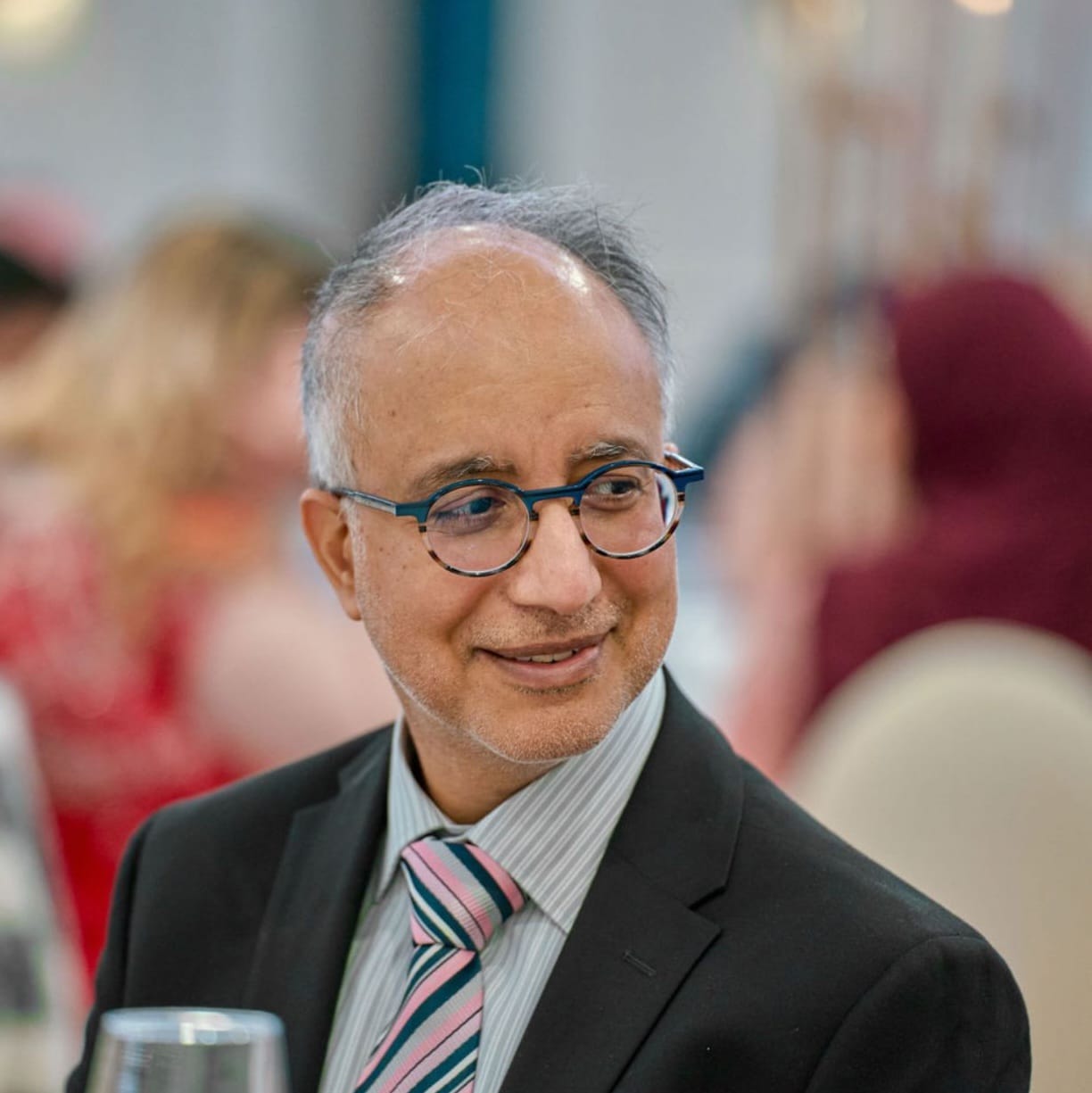
Name: Alan – Ambassador Spotlight.
–
Alan is a valued member of our Manchester Patient Support Group, which meets every other month with patients who attend The Christie NET Centre of Excellence. As part of his ongoing commitment to raising awareness, Alan has also taken on the role of Ambassador for Neuroendocrine Cancer UK – helping to share the lived experiences of those affected by neuroendocrine cancer.
In August 2025, Alan and his wife, Kate, represented the neuroendocrine cancer community during a Novartis training event, offering powerful insight into life with the disease and the vital importance of the patient voice in research and care.
Novartis wanted a double act, patient and carer, so as Alan tells us: …
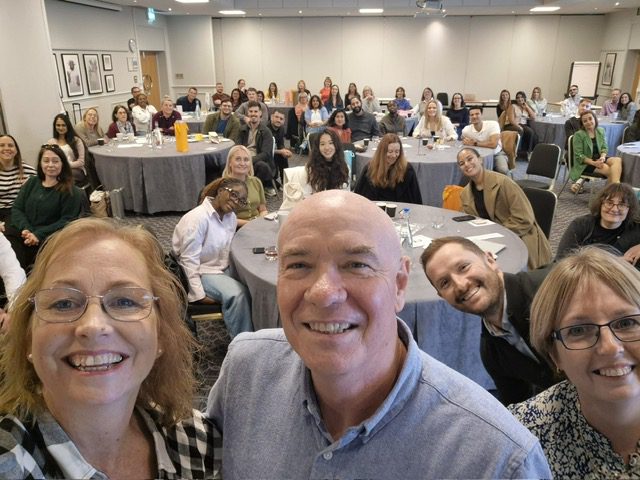
“Fortunately, my wife Kate was more than happy to join in, although she hates the description, “Carer,” and prefers, “Partner in crime.” Ahead of the day, we liaised with Ed Foster, Communications and Patient Advocacy Manager, who arranged all the necessary details at the De Vere Cranage Estate hotel early afternoon; our slot was 3 to 4pm, to an audience of about 60 staff.
We were met by Ed and some of the team for a chat first and gathered that it would be a relaxed, less formal session, acknowledging that the topic isn’t always cheerful.
Novartis wanted their team (which is engaged in research and clinical trials) to remember the ‘Why’ – the reason they do what they do, by meeting those people most impacted, patients and carers, those at the end product of what they are doing now.
Our guidance was to share our experience living with and caring for someone with neuroendocrine cancer, discussing the journey to diagnosis and the impact on our lives.
We joined the meeting during a short break, to be met by a sea of smiling faces and three very large and imposing throne-like chairs. We were worried they thought they’d booked the Beckhams!
We were given an extremely flattering introduction and pressed on with the questions. The plan was to get a few of the pre-prepared questions under our belt, asked by Ed. Then go to the audience for more, moving back and forth between them and what we’d prepped, depending on the level of engagement we got.
The team were enthusiastic, the questions flowed, Kate and I tag-teamed our replies, and we got into a comfortable flow of engaging questions from Ed and the audience.
Talking about a journey of roughly six years, you think you’ve said it all and, in doing so, got the emotion out of your system. The reality is it caught up with me at one point, my voice cracked, but I didn’t want to crumble in front of 60 people. Kate held my hand, I took a breath, drank some water, then carried on. It wasn’t intentional, I’m really not that good an actor, but I suspect a regular guy chatting and joking with a room full of strangers, then having an emotional moment as a result of revisiting the challenges he’s faced, was as impactful as the journey Kate and I shared.
In that moment of vulnerability, the room felt more cohesive, the questions came and were answered and appreciated. They were personal and kind, reflecting on how we cope, more of a conversation than Q&A. The truth is, you’ll never get a more supportive audience.
We filled the hour feeling like we’d only scratched the surface. Fortunately, Kate and I had offered to stay on, so we could answer questions from anyone who didn’t feel at ease in a group environment.
There wasn’t an obvious gap at this point, so armed with a very welcome cup of tea, we joined one of the tables for the next session, the purpose of which was to work collaboratively using Play-Doh to depict one word, to represent what they’d taken from the day so far.
There’d been a Formula One theme throughout the day, so the end result of ten minutes of frantic plasticine moulding was a number of impressive clay cars, a tool box and a chain with a general theme of everyone using their different skill sets to work towards a top quality end product.
One table had other ideas – they decided to model me! Including a rather smart hat (love the colour), but I’m not sure what’s wrong with my ankles. Apparently, I was in recovery from surgery, which is why you can see my spleen in my right hand!
Once we’d all stopped crying with laughter, it was time for a short break. Kate and I hung around, clearly available; both of us had multiple conversations with people who were not only touched by our circumstances, but through their own experiences and with loved ones. We were privileged to be confided in, and for their ability and strength to open up to us, they were very special conversations and an honour to be part of.
We were by this point exhausted, but immensely happy to have had and shared the experience. We said our goodbyes and took our time driving across the beautiful Cheshire plain and home for a rest.
We’d do it all again tomorrow.