Research plays an important role in improving the lives of people affected by neuroendocrine cancer. It helps us to understand why neuroendocrine cancers develop, improve diagnosis and care, develop new treatments, reduce side effects and improve quality of life.
Research can take many different forms – laboratory studies, analysis of health data, and research involving people, including clinical trials.
Whether you are considering taking part in research, supporting someone with neuroendocrine cancer, or simply want to understand more, this guide explains how medical research works, why it matters and how you can get involved.
Research is the process of finding answers to important questions through careful study and investigation.
In healthcare, research helps us:
Research is much more than testing new drugs. It can involve surveys, interviews, analysing health data, laboratory work, scans, blood tests and studying patient experiences.
Watch our video: Neuroendocrine cancer clinical trials &research: The importance of the patient’sperspective:
Every advance in neuroendocrine cancer care has happened because of research.
Research has helped develop:
Research provides the evidence needed to improve care now and in the future.
Watch our video: Neuroendocrine cancer clinical trials & research: The importance of the patient’s perspective:
Patient involvement in clinical trials and research is essential for advancing neuroendocrine cancer breakthroughs. By actively participating in trial design, patients influence research priorities, provide practical insights, and advocate for their needs, driving advancements and ensuring their inclusion in the process.
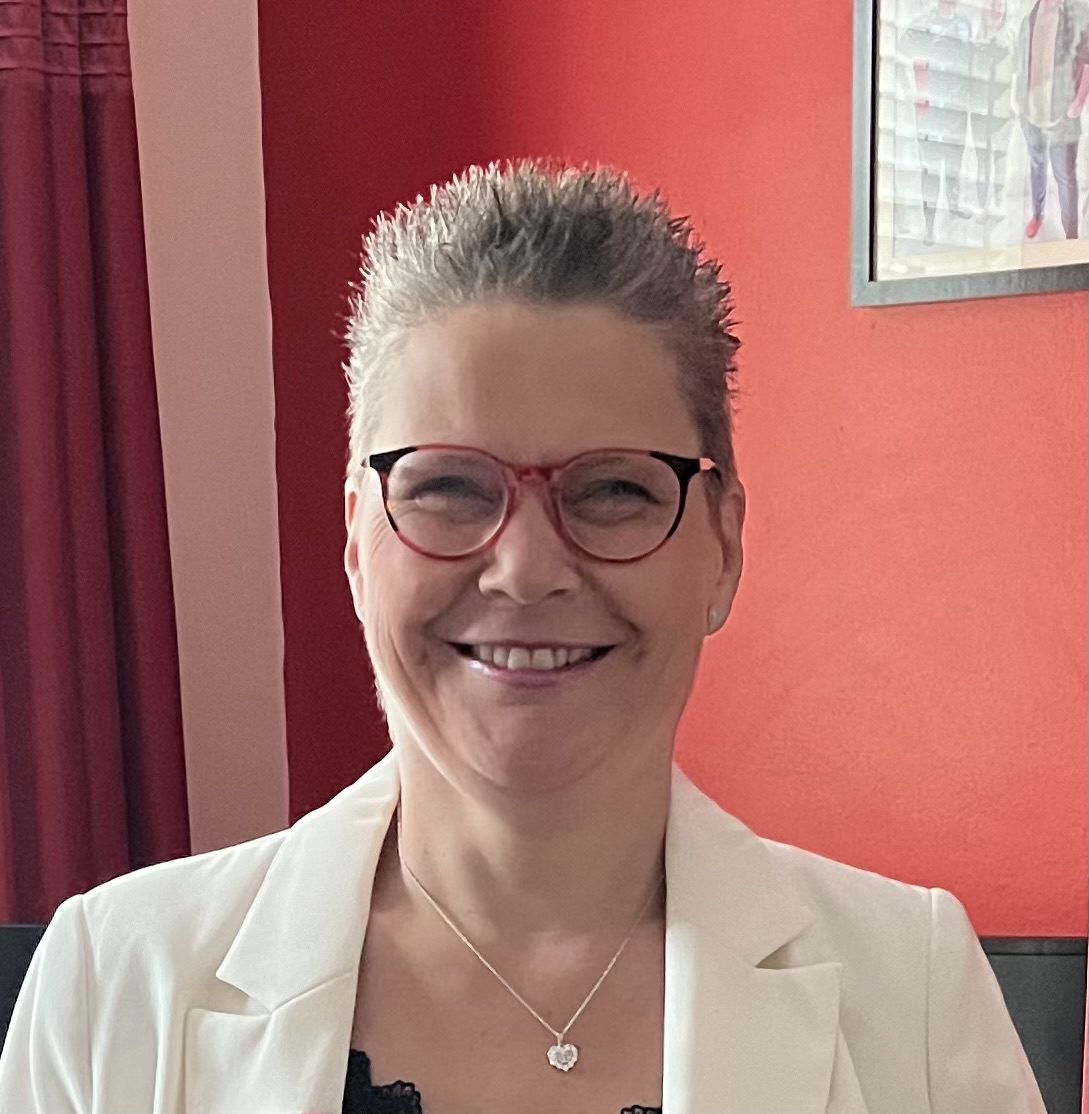
Leanne was diagnosed with neuroendocrine cancer in 2019, facing tumours in her rectum, liver and thyroid. Her treatment journey includes PRRT and the advanced selective internal radiation therapy (SIRT) therapy using holmium, as part of a clinical trial.
Research takes many different forms. Each type answers different questions and contributes to improving care.
This research takes place mainly in laboratories. Researchers study:
It helps scientists understand:
Translational research turns scientific discoveries into practical benefits for patients.
Often described as moving research “from the laboratory bench to the patient’s bedside”.
Examples:
It helps ensure discoveries made in laboratories become real-world improvements in healthcare.
Clinical research involves people. It studies:
Clinical research helps determine whether treatments are safe, effective and beneficial. Clinical trials are one type of clinical research.
Researchers are working to find neuroendocrine cancers earlier and more accurately.
Research includes:
Earlier diagnosis can improve treatment options and outcomes.
Researchers observe what happens in everyday healthcare without changing treatment.
Examples include:
It helps identify trends and factors that affect patient outcomes.
This research looks at health issues affecting large populations.
Examples include studying:
It helps improve health and healthcare across communities.
Qualitative research explores people’s experiences, views and opinions. It may involve:
Understanding patient experiences helps improve services and support.
This research focuses on emotional wellbeing and daily life. Areas studied include:
Living well is just as important as living longer.
Researchers analyse:
It helps researchers understand:
Research in neuroendocrine cancer currently focuses on several important areas.
Watch our video: Understanding Neuroendocrine Cancer Research:
People living with neuroendocrine cancer, carers and healthcare professionals worked together through the James Lind Alliance Priority Setting Partnership to identify the most important unanswered research questions.
These priorities help researchers and funders focus on the issues that matter most to the neuroendocrine cancer community.
Including:
For the first time, neuroendocrine cancer patients, carers and healthcare professionals have developed a shared roadmap for future research. These priorities will help guide funding decisions and future studies.
A clinical trial is a research study involving people. Clinical trials help researchers determine whether:
Every treatment available today became available because of clinical trials.
All clinical trials in the UK must meet strict regulations to protect participants.
Not all research involves taking medicines or taking part in a clinical trial. You may be invited to:
Every participation contributes vital information to improve future care.
If you would like to explore clinical trial opportunities, the first step is to speak with your cancer specialist, clinical nurse specialist (CNS), or oncology team.
Your healthcare team can:
Most clinical trials require a referral from your healthcare team.
If you are interested in taking part in a clinical trial, there are several services and databases that can help you find studies that may be relevant to you.
Our Find a clinical trial page includes information about services that can help you look for suitable trials, as well as UK and international clinical trial databases.
You have the right to:
Choosing not to take part will not affect your routine medical care.
Biobanking means storing blood, tissue or tumour samples for future research. These samples help researchers:
You can choose whether you would like your samples to be stored and used.
Clinical trials are carefully regulated and reviewed by ethics committees, with measures in place to protect participants and monitor their safety throughout the trial. However, taking part can involve risks, including known or unexpected side effects, and these should be explained to you before you decide whether to take part.

Yes. Participation is voluntary and you can withdraw at any time.
No. Studies may compare a new treatment with the standard treatment or placebo (an inactive treatment used to help researchers compare results). This means you may not receive the new treatment being studied.
Yes. Research participation helps improve understanding and treatment for future generations.
Consider asking your healthcare team the following questions.
Our Helpline is here if you have questions about clinical trials or would like further information and support.
Our team can:
A collection of blood or tissue samples stored for research.
A biological sign that helps diagnose disease or predict treatment response.
A research study involving people that tests treatments or healthcare approaches.
The process of understanding research and agreeing to take part.
An inactive treatment used in some clinical studies.
A targeted treatment that delivers radiation directly to neuroendocrine cancer cells.
Research that turns laboratory discoveries into treatments and improvements in patient care.
Our dedicated neuroendocrine cancer helpline provides general neuroendocrine cancer information and peer support.
Contact us