|
Getting your Trinity Audio player ready...
|
I’m Leanne, I’m 48 years old and I was diagnosed with Neuroendocrine Cancer in September 2019. My primary is in my rectum with metastases to my liver and thyroid. I started Octreotide every 28 days, straight after my diagnosis, and was told I was inoperable, but treatable.
As you can imagine, this was a big shock to me and my family. I had had no symptoms apart from some swelling of my stomach area which came and went so, I put it down to a food allergy of some kind and a lot of cramp while training in Taekwondo.
Quite quickly, I was told I was a candidate for PRRT (Peptide Receptor Radionuclide Therapy, a form of nuclear medicine) which I started in January 2020. Then the pandemic hit as I had my second round in March 2020, meaning I had to shield – and not being able to see family and friends was tough. I was lucky as my treatment continued and I completed PRRT in July 2020. I had nausea for a couple of days after each round, suffered with fatigue and hair loss/thinning, but also, I was diagnosed with iron deficiency anaemia as well as already being B12 deficient.
My scans after PRRT showed that my tumours were stable though, until about a year after when I started to get shrinkage of the tumours in my liver. It was then that liver surgery – which was previously not an option – was mentioned. My team discussed two operations as well as removal of my primary.
In June 2021, I travelled to Guys Hospital London for a Gallium scan and had several CT scans and MRI scans. At this point, I still wasn’t certain that the liver operation was possible – the scans and many discussions kept taking place. Eventually, it was decided I would have my primary removed and have another CT scan and go from there.
In January 2022, I had my primary removed from my rectum by TEMS procedure. Then it was back to my consultant to discuss the next step.
By February 2022, I had had shrinkage in my liver metastases, as the PRRT was still working nearly two years after completion. Patients have to remember PRRT is a treatment for the long haul, you don’t necessarily see the results straight after completion of the 4 cycles, as I had expected to.
After another discussion with my consultant, we decided surgery was an option and it was one operation as opposed to the two first discussed. I had a laparoscopy in March 2022 in preparation for liver surgery to ensure everything was as it should be. Lucky for me it was, and surgery was planned for June 2022.
“Neuroendocrine liver metastases (NELM) can vary in the how they develop and the symptoms they may cause. They may also affect prognosis (life expectancy). Fortunately, advances in how they are diagnosed and treated have improved outcomes – including both quality of life and life expectancy.” Cloyd et al. “Neuroendocrine liver metastases: a contemporary review of treatment strategies.”
I was admitted to hospital on 7th June 2022 for my octreotide infusion ready for my big surgery on the 8th June 2022. I had the right side of my liver removed, segment 4, my gallbladder, and a couple of small spots ablated.
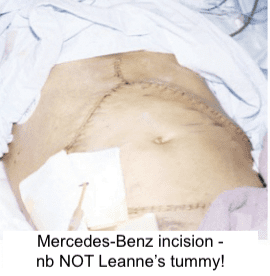
I came round from surgery with a drain in and a nice Mercedes Benz scar, with a leaking bile duct (which we knew was a possibility). This led to a slightly longer stay in hospital but all was good. I am 7 weeks post-surgery as I write this and still have a long way to go.
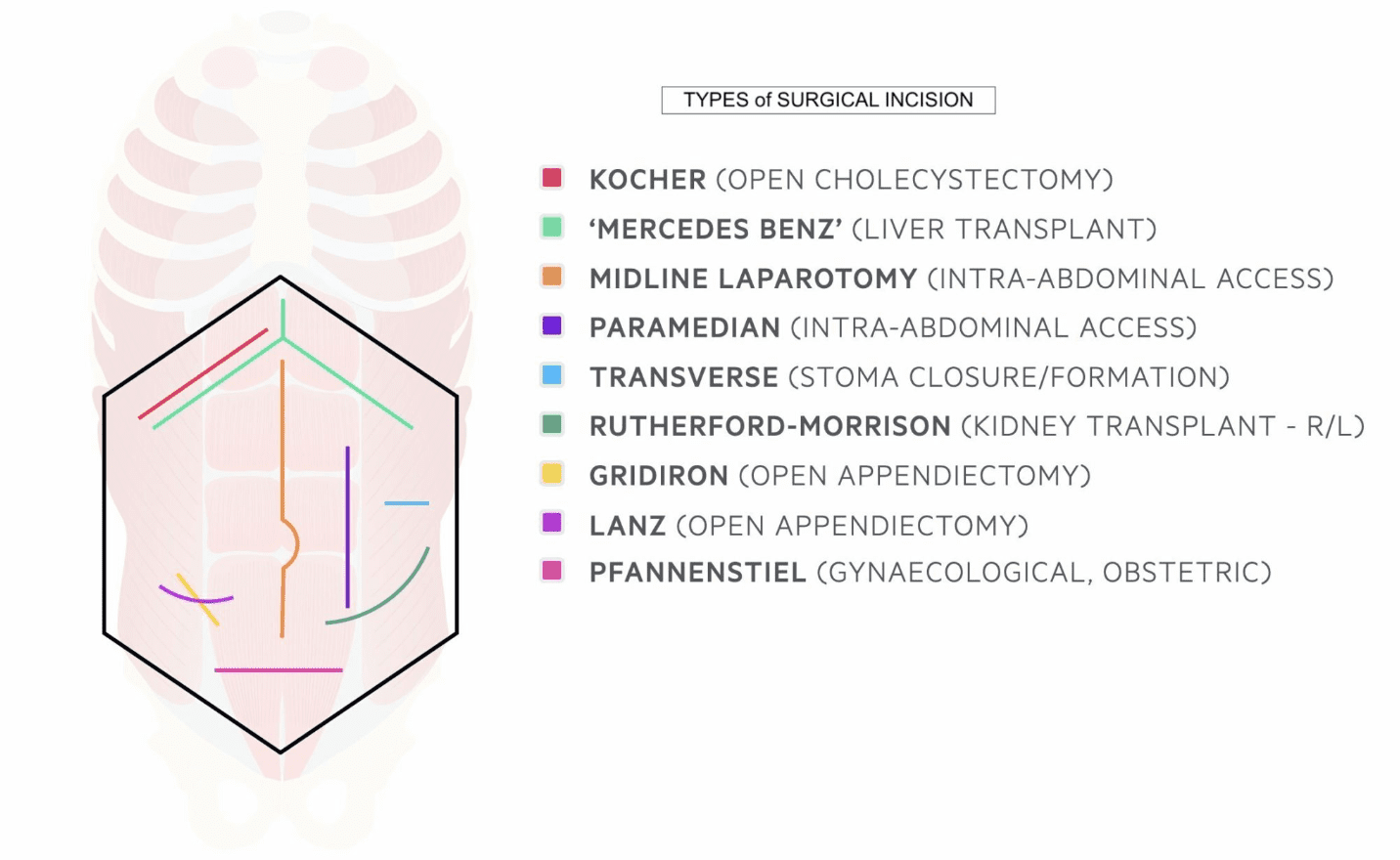
I try to walk every day, but some days it just doesn’t happen. My consultant did say he was going to take all my energy away and boy was he right, I am slowly building myself back up every day. I know I have a long journey to recovery, but it will be all worth it. My liver surgery was successful, and all the tumours were removed. I don’t know what the next steps are, but I don’t need the Olatuton injections every 28 days and I do know I will be monitored with scans and bloods going forward.
In fact, I’m waiting to see my consultant any day now – and I trust him.
Leanne
Further Information and Resources – related to Leanne’s story:
Spotlight on Small and Large Bowel Neuroendocrine Cancer
Further information on Secondary Neuroendocrine Cancer – including liver metastases – can be found here
Explore our Not just NE Cancer podcasts – which include discussions around surgery and other treatments.