|
Getting your Trinity Audio player ready...
|
Name: Hayley
Neuroendocrine Cancer Site: Lung (Typical Carcinoid)
Neuroendocrine Cancer Hospital: Oxford Churchill NET Centre of Excellence
Diagnosis: April 2024
–
Hayley’s Story
I was diagnosed in April 2024 with the rather vague description of ‘lung nodules’ after visiting A&E for a suspected blood clot. Whilst there, they found a small lung nodule and told me that they would keep an eye on it. The hospital suggested monitoring it in 12 months, but I pushed for six months because I was so worried.
After several appointments with different consultants, I was eventually diagnosed with carcinoid tumours of the lung (the words ‘lung carcinoid’ are now quite outmoded I have learnt).
I had a left lower lobectomy in May 2024 under the care of Dr Belcher at Oxford and recovered comparatively quickly from that.
Pushing Too Hard
Once out of the hospital, I felt ok, but on a routine follow-up visit to my GP, he said I was doing too much. He was right, I walked straight into quite a serious infection, and he persuaded me that I really ought to be kinder to myself
A Rare Complication
My monitoring continued, and shortly after this episode, I was diagnosed with DIPNECH (Diffuse Idiopathic Pulmonary Neuroendocrine Hyperplasia), which is a rare lung condition characterised by a proliferation of too many neuroendocrine cancer cells on the bronchial wall of my lungs. My consultant tells me it needs careful monitoring as it can sometimes be a pre-cursor to further disease.
I am also currently waiting to see about an operation on my thyroid as there are large nodules on both sides and they are concerned they could be cancerous, and as of April 2025, I’m still waiting to see what treatment I will be having for my lungs.
Learning, Connecting, and Giving Back
I have been educating myself about the monthly injections many of you seem to be on – Lanreotide and Sandostatin – and whether or not they might be necessary for my ongoing care. I’ve also been attending the Neuroendocrine Cancer UK Patient Support Groups, which I’ve really enjoyed, and in the future, I hope to be in a position to set one up in my own area. I’m finding there is much value in shared experiences.
New Priorities
When I was diagnosed, my friend brought me a book with the saying: “You’ve totally got this.” So I decided to write a list of things I wanted to do. Like glass blowing, fly a kite, and go see the Only Fools and Horses Musical.
I’ve been using birthday and Christmas presents for experiences, as material things no longer matter to me. It is a very significant change I have noticed in myself and my approach to life since my cancer diagnosis.
I’m off to Morocco this month, and plan to go to Germany to the Christmas markets at the end of the year. I am learning more and more about Neuroendocrine Cancer, and I want to help raise money and awareness for the charity and support others with this disease. It’s important to me that something positive can come out of my own diagnosis.
Support Makes All the Difference
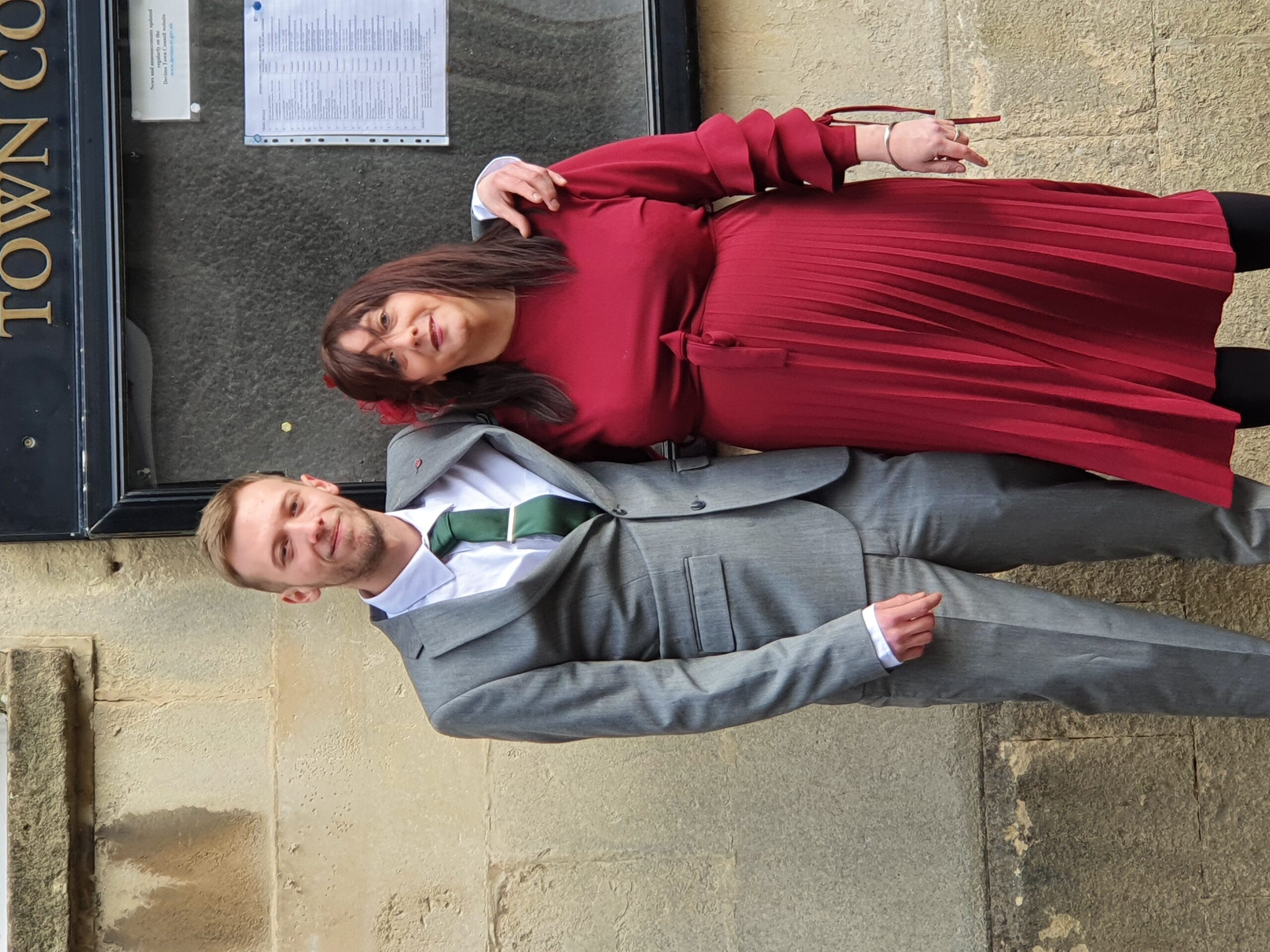
My son, Nathan, has been my rock through all of this. I also have the most supportive family anyone could ask for. My mum and dad, sister, brother-in-law, brother, and niece and nephew have all supported me in different ways. It’s not just the medical things that are difficult after a cancer diagnosis. I realised that I needed to prioritise my mental health, and I know, from experience, that to have people you can talk to openly is incredibly helpful.
I was fortunate to be offered a few counselling sessions before my surgery, and at that time, I wasn’t aware that Neuroendocrine Cancer UK provided counselling and support.
The financial burden can also take its toll, but I am discovering that there are a few benefits available out there, like PIP and Disability Living Allowance, and one or 2 grants, which I am currently investigating.
One Piece of Advice
I suppose if I could share one tip from my own experiences, it would be to keep asking questions about your diagnosis if there is something you don’t understand, and take someone with you to appointments if you can. You hear things differently compared to the slightly calmer person sitting next to you!
Hayley – April 2025
Hayleyis a patient at Oxford Churchill ENETs Centre of Excellence. Full list of UK NET Centres of Excellence and NET MDTs here: https://www.neuroendocrinecancer.org.uk/how-we-can-help/just-diagnosed/