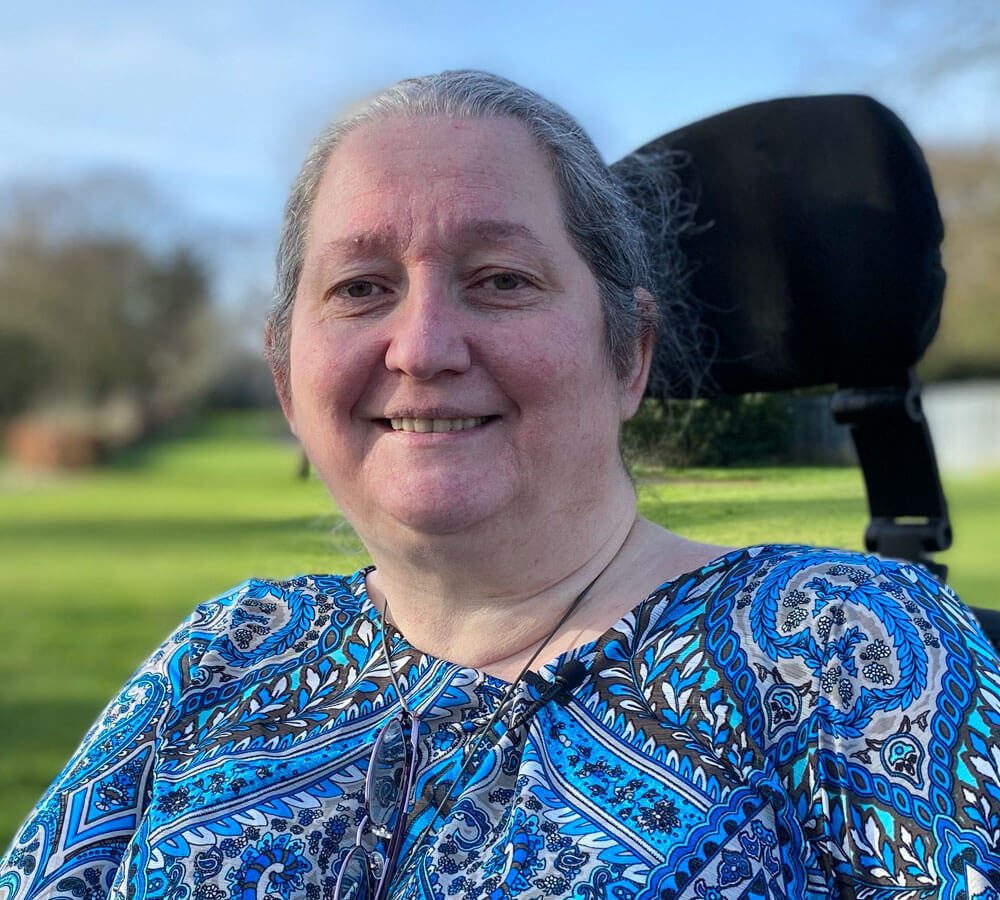
Being listened to by Bethann Siviter

By: Beth Chesser

Posted on: 6 years ago

Trigger Warning.

Please note that while some stories end on a positive note, others may depict the challenging and difficult road that many neuroendocrine cancer patients face.

Getting your Trinity Audio player ready...

Emergency Hospitalisation

in October 2020, I had a skin infection and a moderately high temp, and felt very unwell, so the GP sent me to the local Casualty.


The doctor in A&E examined the area and ordered bloodwork. I settled in for the long wait… but suddenly a nurse came in to consent me for surgery! My bloodwork showed I was on the borderline of sepsis, and the surgeon was worried about the extent of the abscess.


I dug in my wallet for my “At risk of Carcinoid Crisis” card: the nurse said “Oh don’t worry…”. When the anaesthetist came to see me, I showed him the card, and he also said “oh don’t worry, we will monitor you”. Usually, I would have argued but I really wasn’t myself… I was finding it difficult to think clearly. The anxiety was pretty bad, but as I was going into theatres an anaesthetist who knew me (from the pain service) who told me “Don’t worry, I know you…” I felt a bit comforted that someone knew me.


Post-operatively, my blood pressure was quite low, and it took several days to turn around. I was having considerable problems with my asthma as well. Both low blood pressure and bronchospasm are complications common in Carcinoid Crisis. I struggled to get a “low amine” diet. I had a few carcinoid episodes whilst impatient, and I could tell the nurses were completely out of their depth.


When later that week I spoke to my Neuroendocrine Cancer Consultant during a planned phone appointment, he quite emphatically told me that the next time I needed intervention that might include surgery I was to go to his hospital, so “people who know what Neuroendocrine Cancer is” would be caring for me. He voiced concern that I could have been harmed because the correct interventions had not been in place.


I’m finally over the problem that brought me to casualty, but the experience highlighted how important it was to advocate that I need special “peri-operative” care (care before, during, and after surgery). I’ve now spoken to my GP and our Ambulance Service so my records include the importance of bringing me to the most appropriate facility. I know healthcare professionals did not intentionally put me at risk: it just shows how experts are essential to ensure appropriate care for people with neuroendocrine cancer even when the problem is seemingly unrelated to cancer. The truth is that the nature of neuroendocrine cancer is that *everything* is related.

Everyone’s experience of neuroendocrine cancer is different. Take your time, and engage with the stories in whatever way feels right for you.

Do you have a story to share?

Sharing what you’re going through with others can be incredibly powerful, helping others to feel less alone, find hope and reassurance, and feel more confident and empowered.

If you have a story to share, we would love to hear from you.

Share your story
Share your story

We’re always looking for people to share their experiences with Neuroendocrine Cancer. Whether you have the personal experience yourself or through a family member or friend, we use stories on our website, on social media, in our patient information, and on occasion, in the press.

By raising awareness of Neuroendocrine Cancer (NC), we can reach and help more people. Personal stories highlight many relevant aspects of living with NC.

Experiences provide insights that support the education of healthcare professionals, raise awareness of possible signs and symptoms pre diagnosis, raise awareness of NC in the general public arena and encourage and inspire other people who have just started their pathway.

Please complete the form below to share your story.

A note about reading and listening to personal stories

Everyone’s experience of neuroendocrine cancer is different. Some stories may offer hope and reassurance, while others may be difficult or upsetting to read or hear. Take your time, and engage with the stories in whatever way feels right for you.

Remember that treatments and outcomes vary from person to person. These stories offer personal perspectives and support, but should not replace advice from your own healthcare team. If something raises questions about your care, speak to your doctor or clinical nurse specialist.

Support and next steps

You do not have to face this alone. Support is here when you are ready.

Disclaimer

The stories and opinions shared here reflect the personal experiences and views of individual contributors and do not necessarily reflect those of Neuroendocrine Cancer UK. They are provided for information and support and are not a substitute for professional medical advice.


Read more stories from people 
affected by neuroendocrine cancer, 
sharing their journeys, hopes and advice.

In this episode, Lisa is joined by Dave and Stephanie, parents to six-year-old Elliott and three-year-old Oliver. Dave was diagnosed with neuroendocrine cancer just one month ...


Published: 4 days ago

By Beth Chesser