I am a Consultant Endocrinologist working in the NHS and have been based in Yorkshire for over 20 years. I trained in Cardiff, London and Sheffield, and throughout my career I have specialised in endocrinology, the area of medicine that deals with hormones and the glands that produce them.
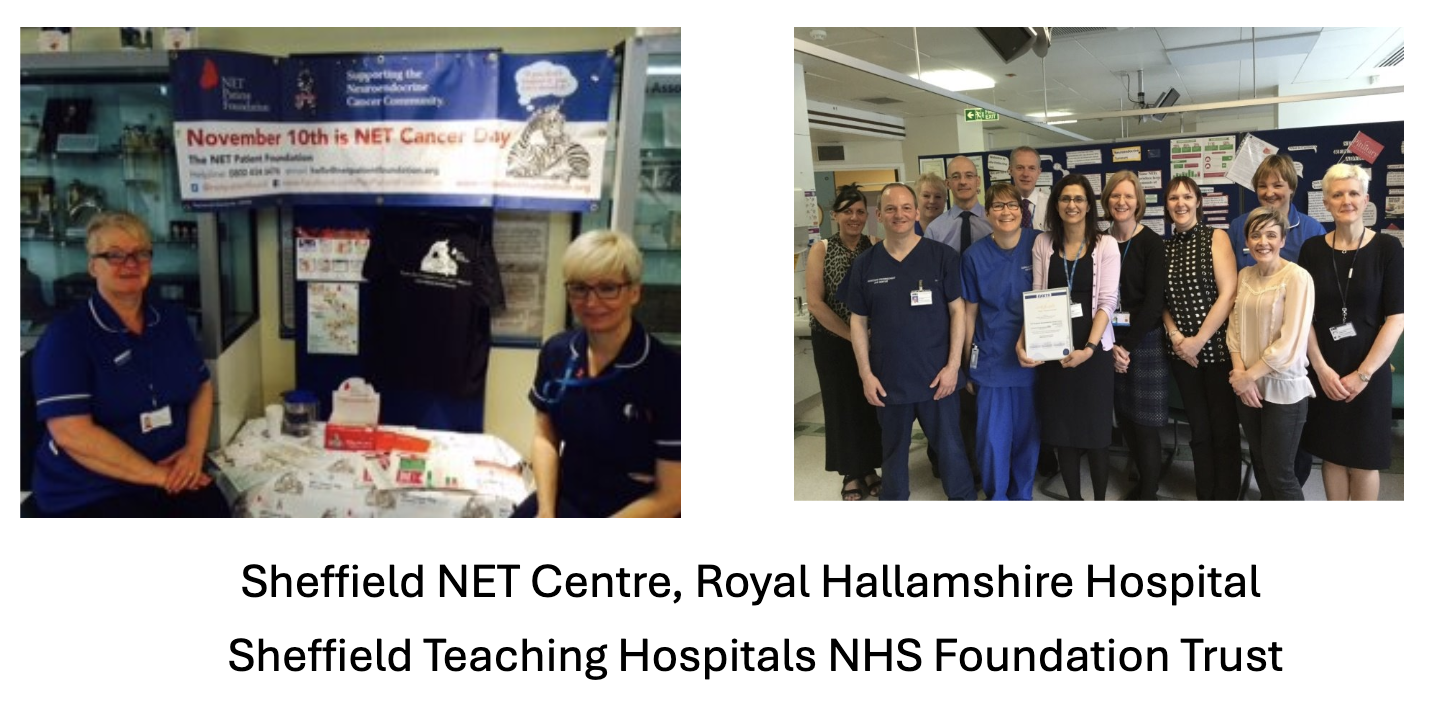
Today, I lead the Sheffield European Neuroendocrine Tumour Society (ENETS) Centre of Excellence, where I work alongside a dedicated team of specialists caring for people with neuroendocrine tumours (NETs). Patients travel to us from across Yorkshire and sometimes from much further afield.
One of the reasons I enjoy my job so much is that every day is different. Alongside caring for patients with NETs, I also see people with a wide range of hormone-related conditions, work with families who have inherited endocrine disorders, teach medical students and doctors, and contribute to research that helps improve future treatments.
My interest in neuroendocrine tumours began during my PhD research at the University of Sheffield. I was studying Cushing’s disease, a condition caused by a hormone-producing pituitary tumour and had the opportunity to meet and care for patients living with neuroendocrine conditions.
What struck me most was how varied these conditions can be and how important specialist care is in helping people understand and manage them. The experience inspired me to focus my career on neuroendocrinology and NETs.
More than twenty years later, I still feel privileged to meet patients and their families and to support them through what can often be a complex and sometimes overwhelming diagnosis.
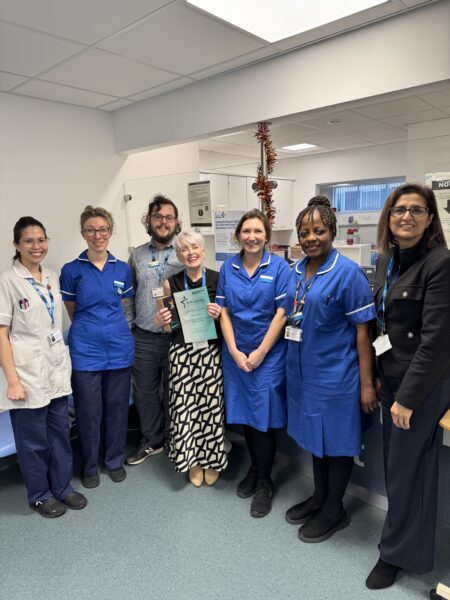
There is no such thing as a typical day, but most weeks involve a mixture of clinics, multidisciplinary meetings, teaching and patient care.
Some days are spent in endocrine clinics, seeing people with conditions affecting the thyroid, pituitary or adrenal glands. Other days focus on patients with neuroendocrine tumours, including those who are newly diagnosed and those who have been under our care for many years.
A key part of my role is working with our multidisciplinary team (MDT). These meetings bring together experts from different specialties, including oncologists, surgeons, radiologists, pathologists, specialist nurses and endocrinologists. Together, we review scans, test results and treatment options to make sure every patient receives the best possible care.
I also work closely with our specialist NET nurses, who provide invaluable support to patients and families. They are often the people patients know best and play a vital role in coordinating care and offering advice and reassurance.
Alongside my clinical work, I teach and supervise doctors in training. Helping to develop the next generation of specialists is an important and rewarding part of my job.
I am also involved in research studies and national specialist meetings, which allow us to share expertise and help advance treatment options for people living with NETs.
One of the things I value most about working in NETs is the collaborative nature of the specialty. Caring for people with neuroendocrine tumours requires expertise from many different healthcare professionals, and everyone brings an important perspective.
NETs are often long-term conditions, which means we have the opportunity to build lasting relationships with patients and their families. Getting to know people over many years, supporting them through challenges is one of the most rewarding aspects of the job.
Neuroendocrine cancer is a rapidly evolving field, with new research and treatments emerging all the time. It is exciting to be part of that progress, but the most important part of my work remains the same: supporting patients and their families and helping them receive the best possible care.
Working in NETs is both a privilege and a responsibility. Every day I am reminded of the resilience of the people we care for and the importance of working together to improve outcomes for everyone affected by neuroendocrine tumours.
–