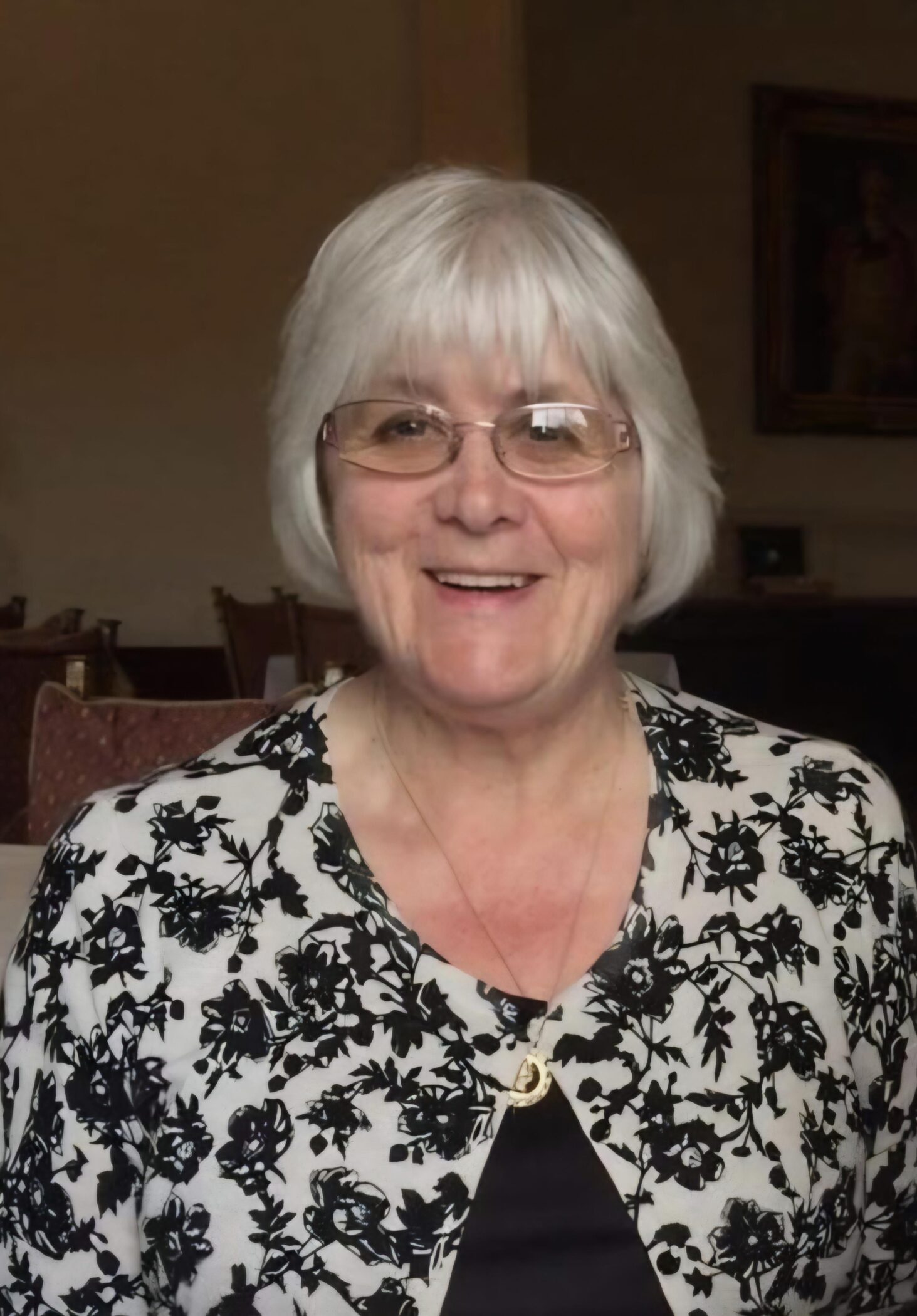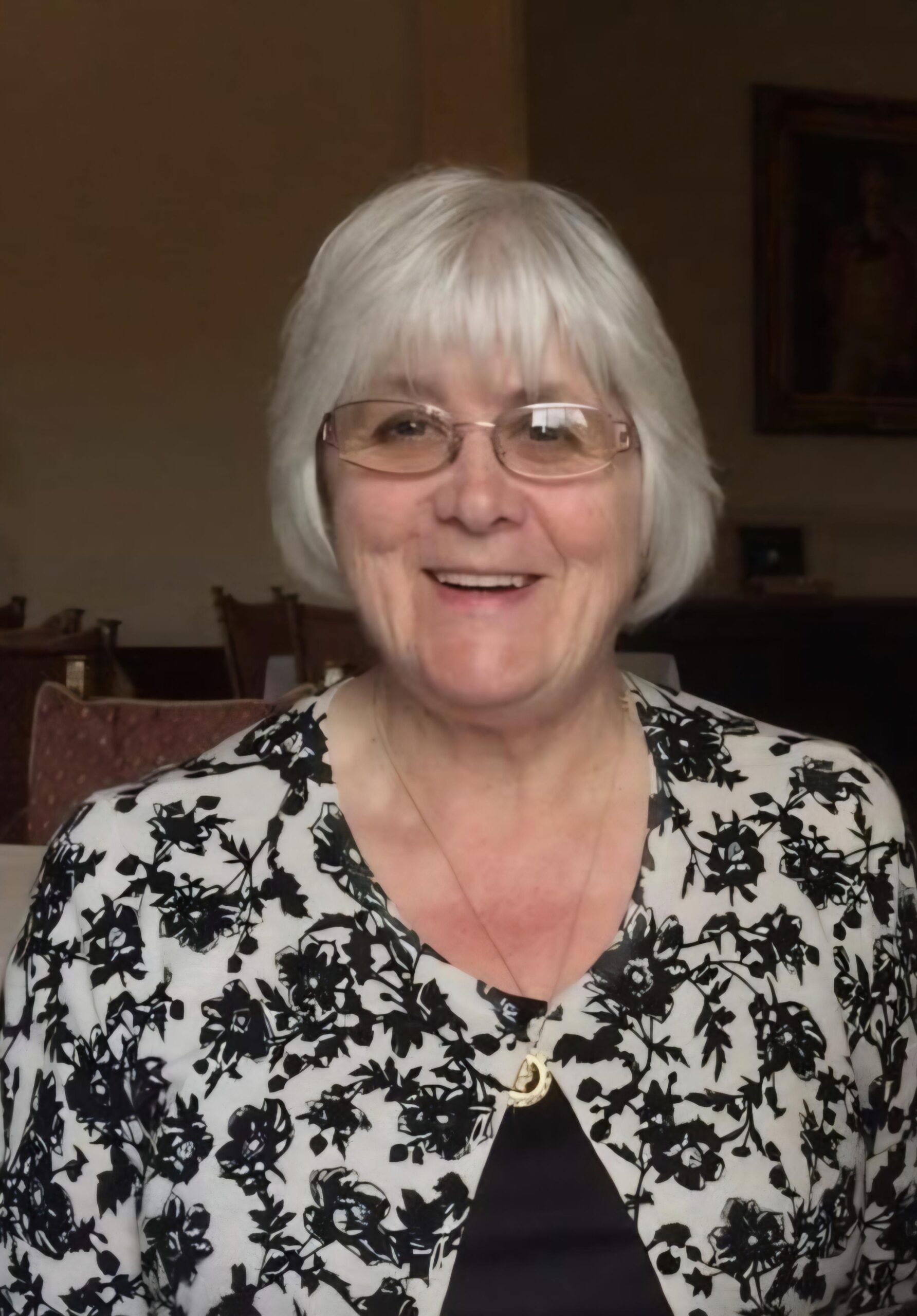
Name: Mary
Treated at: The Freeman Newcastle
Member of Newcastle Patient Support Group
–
Mary’s Bag
A few years ago, my husband and I had to rush our friend to hospital due to a suspected deep vein thrombosis. Her husband was working abroad, and she had no family close by, so it was down to us to try to pack a bag of belongings for her hospital stay. I had never visited her house before, so it was an almost impossible task, and we had to get her to hospital quickly as she was deteriorating rapidly.
A little later, we returned to the house with a key, not realising she had an alarm. Fortunately, a neighbour knew the alarm code and helped us get into the house. We then had to rummage through her drawers and wardrobes to find the items she might need, not really knowing what was required for a hospital stay. We couldn’t even find a holdall! We had to put everything in a plastic carrier bag.
I vowed I would never put my family or friends through that ordeal.
So, I had a good think about what a patient might actually need, made a list and made up a bag for myself and one for my husband. I passed the list onto my daughter and pestered her to make one for her and her husband, too.
As luck would have it, soon after, my daughter was very grateful she had made a bag, as she developed sepsis and had to be rushed into hospital. She rang a taxi and didn’t need to think about what she needed. She just grabbed her bag and headed straight off to hospital within five mins of ringing 111.
Since then, we have both found ourselves in situations requiring a fast hospital visit and used our ‘hospital bags’- making life so much easier.
–
–
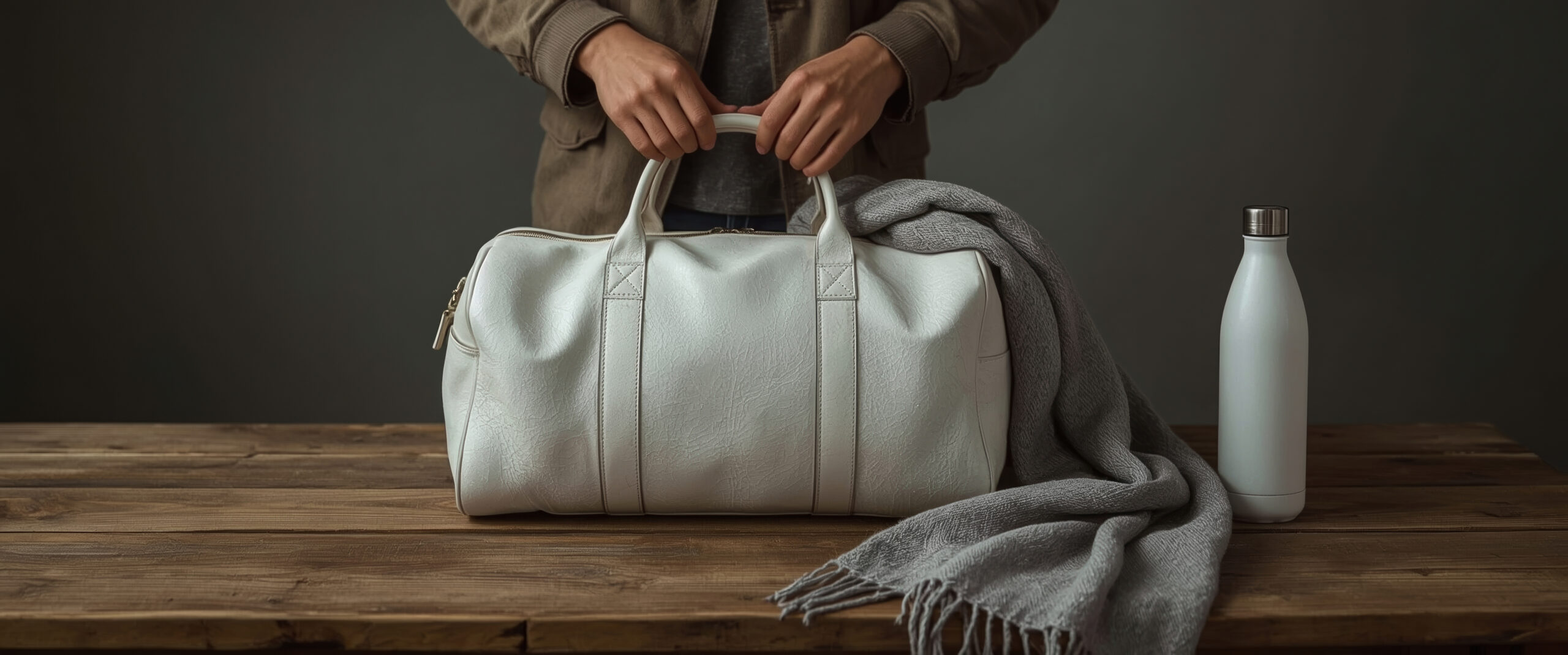
So to help other neuroendocrine cancer patients, here’s what’s in our bags … you might want to add your own personal extras, but just do it as soon as possible. You won’t regret and will always be better prepared than trying to focus your thoughts in an emergency:
- A holdall (with a label attached with your name, date of birth and NHS Number, in case your bag gets misplaced in the hospital).
- A folder with information such as:
-
- List of current medication
-
- Latest hospital letters from your consultant (make clear his/her name with contact number and / or email in prominent letters) if you are under the care of several teams
-
- The Octreotide Protocol for neuroendocrine patients (you can print this off if you prefer) available here.
- Short-sleeved Pyjamas (easier to fit cannulas or take blood) – Or ladies, a nightie (easier if your bowels are in uproar)
- Dressing gown or some loose lounge wear.
- Slippers or anti-slip socks
- Underwear
- Towel and Flannel
- Travel-sized toiletries in a wash bag
- Shower gel
- Shampoo and conditioner (or dry shampoo or a no-rinse shampoo cap are useful)
- Hairbrush or comb
- Baby wipes or toilet wipes
- Hand sanitiser
- Perfume and deodorant
- Moisturisers (especially hand and lip balms)
- Tissues
- A good book or some puzzle books
- Spare spectacles
- Ear plugs or noise-cancelling headphones
- Extra-long charging cable with plug for your phone or tablet
- Anti-bac wipes or spray (useful if sharing a toilet, etc.)
- Notepad and pen
- A little cash (in case you can walk to the hospital shop)
Tell all your family and friends (and your key holder neighbours) where your bag is kept.
We have a whiteboard with notes on in our kitchen; you could put a note on there or a Post-It note on your cupboard door. And remember to refresh your bag occasionally too; keep your pj’s smelling fresh.
Never let your family and friends go through the ordeal we went through; they will have enough on their plate to deal with.
Happy packing!
Love Mary x