Living with Small Bowel Neuroendocrine Cancer and Carcinoid Syndrome, by Craig

By: Neuroendocrine Cancer UK

Posted on: 7 months ago

Living with Small Bowel Neuroendocrine Cancer and Carcinoid Syndrome, by Craig

Trigger Warning.

Please note that while some stories end on a positive note, others may depict the challenging and difficult road that many neuroendocrine cancer patients face.

Getting your Trinity Audio player ready...

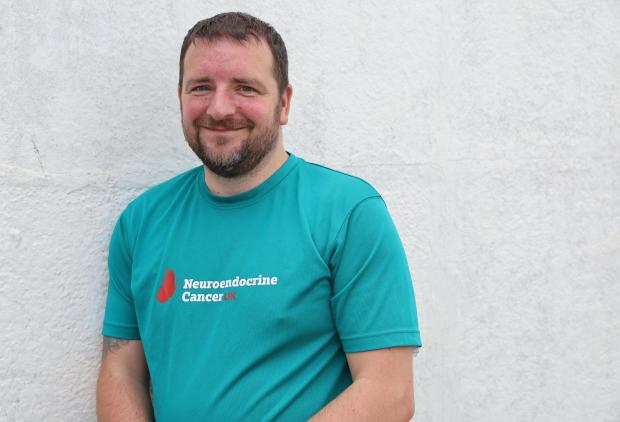
I have been living with Neuroendocrine cancer for 12 years. My primary is in my small bowel with metastasis to my liver, and I suffer with carcinoid syndrome, which has impacted my quality of life over the years.

Carcinoid syndrome is caused by neuroendocrine tumours that secrete excessive amounts of hormones, such as serotonin, into the bloodstream. Carcinoid syndrome is a collection of symptoms like skin flushing, diarrhoea, wheezing and rapid heart rate.

I suffer daily with flushing. This is not just a red face, I have a full body flush causing my face and hands to swell, pins and needles feeling in my feet, making it difficult to walk. During a flush, my breathing will be compromised, making me feel like I’m having an asthma attack. I also suffer with diarrhoea and can go to the toilet 5-10 times daily. This often happens with little to no warning, creating panic and urgency when outside the home. I need to navigate my journey, ensuring I know where the next toilet is. Maybe a supermarket or restaurant, and carry a change of clothes as required.

Over the 12 years, I have received multiple treatments to reduce the tumour burden on my liver with the intention to control the excessive hormone release. My condition is currently managed after PRRT, then 12 Cycles of Temozolomide and recently 2 hepatic artery embolizations. I’m also prescribed Telotristat Ethyl, and this has reduced my bowel movements and given me my quality of life back.

The production of serotonin from the tumours on my liver resulted in me being diagnosed with Carcinoid Heart disease. My tricuspid and pulmonary valve had become damaged, and I needed them replaced. I had open heart surgery to replace those valves, and then 18 months later, a further surgery by TAVR to replace the valves again through an artery.

I also find that what I eat has a big difference in my quality of life. I keep a food diary and note any changes in bowel movements or increased flushing. I have found that certain foods do have an impact on my carcinoid syndrome, so I have removed them from my diet over the years.

Living with carcinoid syndrome can impact a patient’s life; daily routines can be impacted, and if not managed, quality of life can be poor. I require regular surveillance and treatment from my team so I can continue to make memories with my family and friends.

Craig.
Everyone’s experience of neuroendocrine cancer is different. Take your time, and engage with the stories in whatever way feels right for you.

Do you have a story to share?

Sharing what you’re going through with others can be incredibly powerful, helping others to feel less alone, find hope and reassurance, and feel more confident and empowered.

If you have a story to share, we would love to hear from you.

Share your story
Share your story

We’re always looking for people to share their experiences with Neuroendocrine Cancer. Whether you have the personal experience yourself or through a family member or friend, we use stories on our website, on social media, in our patient information, and on occasion, in the press.

By raising awareness of Neuroendocrine Cancer (NC), we can reach and help more people. Personal stories highlight many relevant aspects of living with NC.

Experiences provide insights that support the education of healthcare professionals, raise awareness of possible signs and symptoms pre diagnosis, raise awareness of NC in the general public arena and encourage and inspire other people who have just started their pathway.

Please complete the form below to share your story.

A note about reading and listening to personal stories

Everyone’s experience of neuroendocrine cancer is different. Some stories may offer hope and reassurance, while others may be difficult or upsetting to read or hear. Take your time, and engage with the stories in whatever way feels right for you.

Remember that treatments and outcomes vary from person to person. These stories offer personal perspectives and support, but should not replace advice from your own healthcare team. If something raises questions about your care, speak to your doctor or clinical nurse specialist.

Support and next steps

You do not have to face this alone. Support is here when you are ready.

Disclaimer

The stories and opinions shared here reflect the personal experiences and views of individual contributors and do not necessarily reflect those of Neuroendocrine Cancer UK. They are provided for information and support and are not a substitute for professional medical advice.


Read more stories from people 
affected by neuroendocrine cancer, 
sharing their journeys, hopes and advice.

In this episode, Lisa is joined by Dave and Stephanie, parents to six-year-old Elliott and three-year-old Oliver. Dave was diagnosed with neuroendocrine cancer just one month ...


Published: 4 days ago

By Beth Chesser