|
Getting your Trinity Audio player ready...
|
Name: Donna
Neuroendocrine Cancer Site(s): Likely small bowel, and possibly the pancreas
Diagnosed: December 2023
Neuroendocrine Cancer Hospital: Glasgow Royal Infirmary
–
Donna’s Story:
One of the hardest parts of my neuroendocrine cancer diagnosis was waiting for my biopsy results, with my husband in December 2023. Time just seemed to stand still.
But one of the most embarrassing was turning scarlet and starting itching in my Prof’s office….
Like many readers here, I’d been unwell for a while – around four years – going back and forth to my GP and being prescribed anti-sickness tablets and Omeprazol, but nothing made my symptoms any better. Even the highest doses didn’t offer any relief, and I’d been to A&E on numerous occasions, but no-one seemed able to offer me any answers as to what was wrong with me.
A Turning Point
By way of investigations, in October 2023, I had an endoscopy, and the team identified a hiatus hernia, so my sickness and nausea were attributed to that.
One of my main symptoms had been the feeling of food getting stuck in my gullet. I told one of the nurses about it, and she looked at me closely and commented that I really did look unwell, so she requested a CT scan, even though nothing of significance had shown on the endoscope.
Moving Quickly
I’d had a CT scan back in September 2022, which was reported as clear.
But this lovely nurse felt I needed another. And that’s when things began to move very quickly. It came as a huge shock to be told they’d missed a 5cm tumour, and I needed a biopsy as soon as possible. Afterwards, I met with Dr Priest at Gartnavel Hospital, and he told me they had identified a neuroendocrine tumour (NET).
Surgery and Recovery
My consultant, Professor Jamieson at Glasgow Royal Infirmary, performed the surgery to remove it in February 2024.
I was told at this point that the team was unsure if my primary site was the bowel or the pancreas, and to be honest, it made little difference to me, and I have taken the decision not to push for a definitive answer until (or if) it affects any treatment decisions.
Fortunately, I didn’t need any sections of my bowel or pancreas removed.
I lost a lot of weight after the biopsy and couldn’t keep any food down – but by now they knew why – the tumour was partially blocking my bowel. I was put on Ensure drinks and had to make smoothies to get some nutrition in me. However, I’m pleased to say my operation went well and I recovered quickly.
My team at Glasgow Royal Infirmary has transferred my care to The Beatson Cancer Centre, one of the UK’s 14 NET Centres of Excellence, under the care of Professor Reed.
Unexpected Symptoms and a New Diagnosis
Coincidentally, the day before my appointment with Prof Reed, I started to feel itchy, and my face was on fire. When I arrived, I mentioned it, and then to my embarrassment, the flushing and itching happened right in front of the Prof, and he watched my face turn scarlet. Little did I know that he knew exactly what was happening to me.
More blood tests and a Gallium-68 Dotatate scan followed, and after a few more visits, I was diagnosed with Carcinoid Syndrome. The odd thing was, I had no Carcinoid Syndrome symptoms before my operation, so it was strange that this was happening.
Living with Carcinoid Syndrome
I started on monthly Lanreotide injections, which worked well for a while and stopped all the flushing, itching, and diarrhoea.
I had my Gallium-68 Dotatate scan in Dundee, and it oddly came back as no evidence of disease (NED), and my next set of bloods were good, so having full-blown Carcinoid Syndrome was an anomaly.
Recently, I’ve stopped my Lanreotide injections as I’ve had severe headaches, so I’m temporarily living with symptoms every day, whilst my team figures out what’s happening.
I’m currently under the care of Dr Perry, an Endocrinologist at the Queen Elizabeth University Hospital in Glasgow, to try to find out what’s triggering my symptoms. He collaborates with The Beatson.
Monitoring
I have scans and bloods every 6 months now – it’s possible I have a tiny tumour somewhere, or microscopic disease kicking out hormones, but currently too small to show up on scans.
I also had a Tektroyd scan in November 2023, but my original tumour didn’t light up at all, so that’s another challenge, as it means my tumours are receptor negative and harder to see, especially when small. The doctors tell me I’m a very rare case.
The People Who’ve Carried Me Through
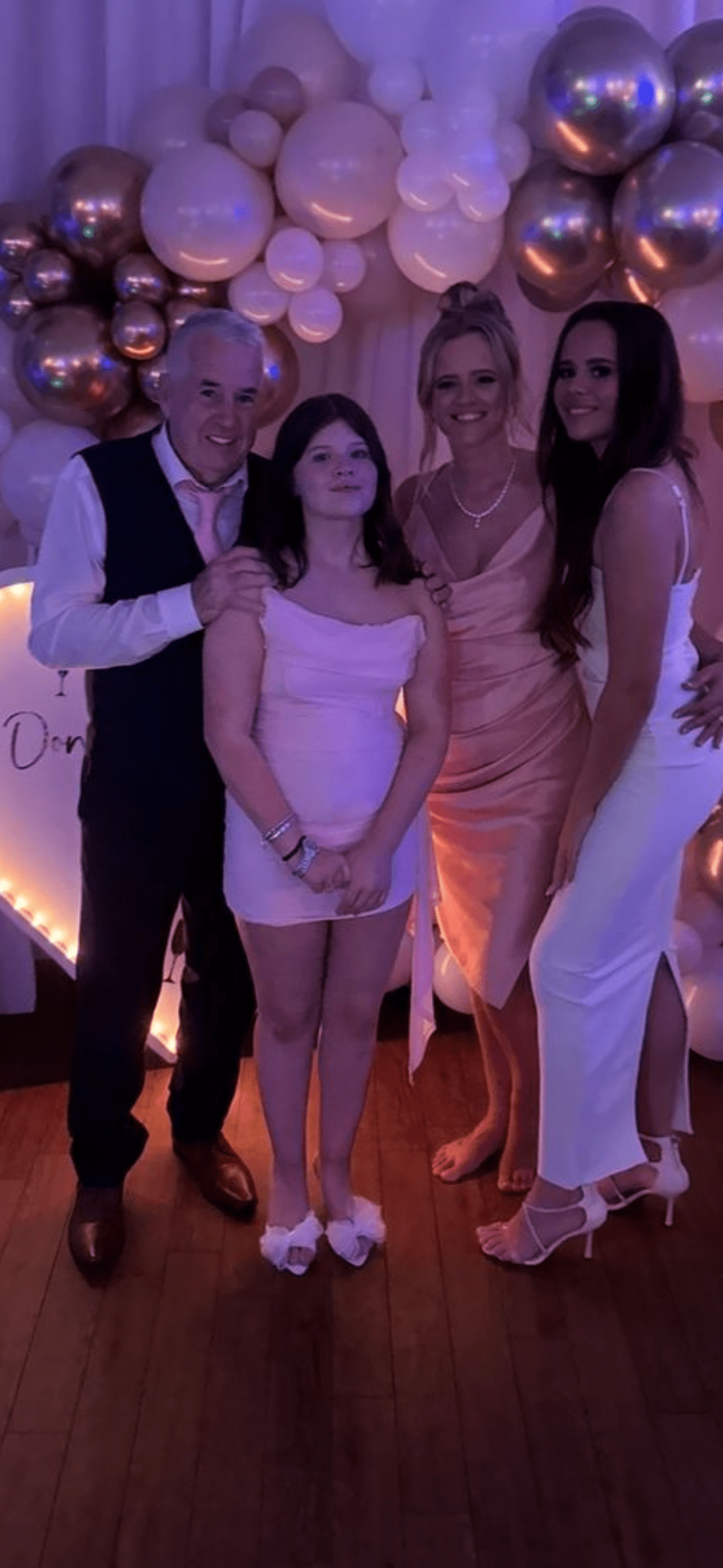
Throughout all of this, I have had the most incredible support from my family and friends.
But the one person I always turn to is my Clinical Nurse Specialist, Irene Wotherspoon, from The Beatson. She has been so kind and knowledgeable since the day I met her, and is always there when I need her.
I think I’m quite a resilient person. I get up each morning and live my life to the fullest every day – and I’m more grateful for it. The support I’ve received from fellow patients in my local Glasgow Patient Support Group and the online Facebook community has been a lifesaver. I do try to explain to friends, but it’s only really others with a neuroendocrine cancer diagnosis who truly get it. Above all, I’m thankful that I’m still here to tell you my story. If you think something is wrong with your body, keep telling the medics until someone listens to you.
Donna
Written May 2025