|
Getting your Trinity Audio player ready...
|
Name: Andy
Neuroendocrine Cancer Site: Pancreas
Diagnosed: December 2024
–
Andy’s Story
I was diagnosed at the end of 2024, with a Grade 3 neuroendocrine tumour in the head of my pancreas (also known as a pNET) with a KI67 of 30%.
In some ways, I was lucky in that my diagnosis only took 2 months, and I know many others in the neuroendocrine cancer community have long and torturous journeys for answers to their health issues.
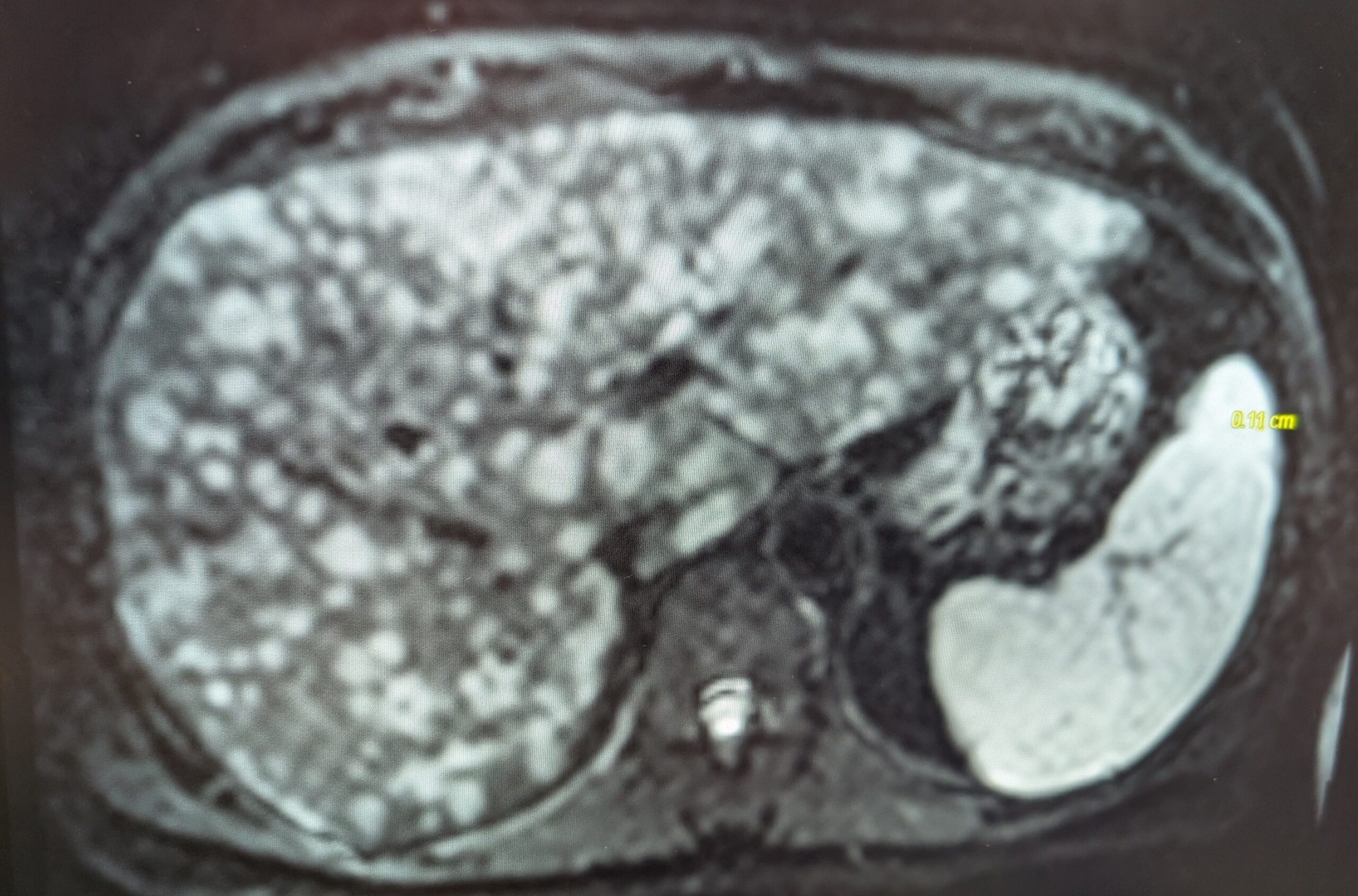
I had attended for a CT scan due to symptoms of gastric varices and an enlarged spleen, which also then led to a liver biopsy, as many scattered metastases to my liver could also be seen – and (apparently) my spine, too.
–
–
Starting treatment with Cap-Tem
My first line treatment was Cap-Tem (an oral chemotherapy) because of the higher grade of tumour. Once I completed my course, I was told there had been a good response with shrinkage, and even some disappearance of a few smaller tumours. I don’t know to what extent, as I have never been shown a scan image. But that’s on my list of questions for my next appointment.
After Cap-Tem – and alarmingly – I began to lose a lot of weight, within a couple of months. I spoke with my CNS (clinical nurse specialist), who prescribed Creon to replace the digestive enzymes we thought I was lacking. At this point, no faecal/ stool elastase (also known as an FE-1 test) was done. This would have measured the amount of digestive enzymes I had and helped diagnose if I had PEI (Pancreatic Enzyme Insufficiency).
I’ve got to admit, I was disappointed that my 39 years of vegetarianism had come to an end by taking Creon, but I started maintaining my weight and stopped losing any more. But no matter how much I ate, I couldn’t gain weight.
A month or so later, I started to lose vision, which was obviously of great concern. Joining up the dots here was very difficult, but … I’m a great one for doing my own research, and I find it reassuring – I discovered that one explanation might be my blood sugar levels (another can be Vitamin A deficiency by the way), so I asked my GP to check them.
Type 3c Diabetes
To my astonishment, my blood sugar levels were in the mid to high 20’s, and they sent me straight to A&E. A week later, I saw a Diabetic Nurse at the hospital who put me on 4 shots of insulin, 1 daily and 3 before meals, and fitted me with a Libre sensor in my arm. This was immediately successful. I gained weight and, eventually, thankfully, my sight.
It looked like I had something called Type 3c diabetes.
I’ve now learned this is a form of diabetes caused by structural damage to the pancreas – it happens when the pancreas can no longer produce enough insulin and digestive enzymes for what your body needs. Some medications can contribute to it, too.
I’ve been having regular scans, which have all shown stable disease. However, my blood sugar levels now keep dropping. And I’m fed up with my Libre going off with low alarms in the night and reaching for Jelly Babies at 3am. And experiencing lows whilst playing golf – trust me, shaking over a crucial putt is no fun!
So, (and this is most certainly not medical advice, please seek guidance from your Endocrinologist) I decided to slowly reduce my daily insulin dosage to raise my baseline – and learn what the pancreas actually does. I also read a lot about the insulin I was prescribed and potential side effects.
Firstly, reducing my daily dose made no difference.
Secondly, my breakfast insulin shot usually lasts me five hours.
Thirdly, the tail of the pancreas produces most of the insulin, and the head produces the digestive enzymes.
So, I dropped the lunchtime shot completely – and then reduced my Creon.
As expected, it made little to no difference. I then found out that my tumour is actually in the tail of my pancreas – not the head – so all the talk about a Whipple procedure being out of the question due to blood vessel involvement was incorrect, and changed my thought process. More on that later.
I carried on reducing all my shots and contacted my Diabetic Nurse with a view to being put on Metformin. At the time of writing, I’m still waiting for a response. But I’ll chase up again shortly. However, they did test my blood and urine for sugar and insulin levels.
My Hba1c was 6 (prediabetic), and my insulin levels were 300 times higher than a “normal” person. I upped my research.
At this point, I wondered if I could have an Insulinoma, either as well as my diagnosed primary, or instead of. Alarmingly, I learned that the one thing you should not give a patient with an insulinoma is insulin. But don’t worry, I don’t have one.
There was an additional problem. I was building up insulin resistance. More insulin is like adding fuel to the fire. I am a carbo-holic, and I eat a lot; I also exercise a lot. There are ways to reduce insulin resistance with lifestyle changes.
It’s now January 2026. I have now changed my diet and have stopped the insulin completely.
Three weeks on my Hba1c on my Libre app is at 6, down from 6.2 already. I expect it to fall more over time, and now when I hit a “low” (blood sugar drop) I don’t even notice. I feel so much better. There is still much to learn about Type 3c Diabetes, and right now, I feel it is only understood by Endocrinologists. Most GPs are not aware of it.
Self-advocacy and challenging decisions about surgery
My learning continues. After my diagnosis, I had asked my Oncologist why removal of my primary tumour was out of the question. His response was: “Don’t ask me, I’m not a surgeon.”
This concerned me hugely, so a few months later, I put the question in writing to the hospital and within two weeks, I received an appointment with a pancreatic surgeon. I met with Mr Edward Alabraba, expecting an explanation as to why surgery wasn’t an option. He asked me why I wanted the surgery.
Thanks to my research, I was prepared with 9 reasons. He listened carefully – and his response floored my wife and I as he agreed to do the surgery.
This took place on 15th October 2025 and was a complete success.
It was performed robotically and lasted 10 hours, as the tumour had apparently spread its cancerous wings throughout my entire abdomen.
Mr Alabraba spent five hours removing all the “stickiness” before starting on a distal pancreatectomy. The affected tip of my pancreas was removed along with a few lymph nodes and a massive spleen weighing just under 1kg (70g is the norm in an adult male). I was back home within 2 days.
The surgery not only removed a lot of tumours, but it also cured my varices and haemorrhoids caused by portal vein hypertension.
In my opinion, Mr Alabraba is not only a world-class surgeon, but he is also a wonderful human being – I can’t repay him for all he has done for me.
I later discovered that one week before surgery, my Oncologist questioned the surgical intervention with colleagues at a NET Centre of Excellence. Apparently, they were against it as I have bone mets, and they believed it would not extend my life. Luckily, they took into account the gastric varices as a co-morbidity and gave the OK.
Questioning bone metastases and asking for answers
I’m going out on a limb regarding my spinal metastases here. Please remember every patient is different. But in short, I didn’t believe I had them. Every scan reported a ‘lesion’ on my T11 vertebrae, always referred to as a possible haemangioma (fatty cyst) and my verbal questioning was ignored. I even had seven monthly injections of Denosumab bone strengtheners.
So (and you will have guessed I am big on self-advocacy by this point), I decided to put my question in writing again, asking specifically which vertebrae were affected based on my initial Octreotide scan and subsequent CTs.
This did the trick. I was sent for a spinal MRI, and the results showed multiple vertebral lesions but no clear evidence of neuroendocrine cancer.
They sent me for another one with a higher resolution, which came back with no evidence of disease, citing multiple haemangioma. I was proven correct, and the Denosumab stopped. It didn’t escape me that my non-spinal’ mets almost scuppered my surgery.
Scan results and where I am now
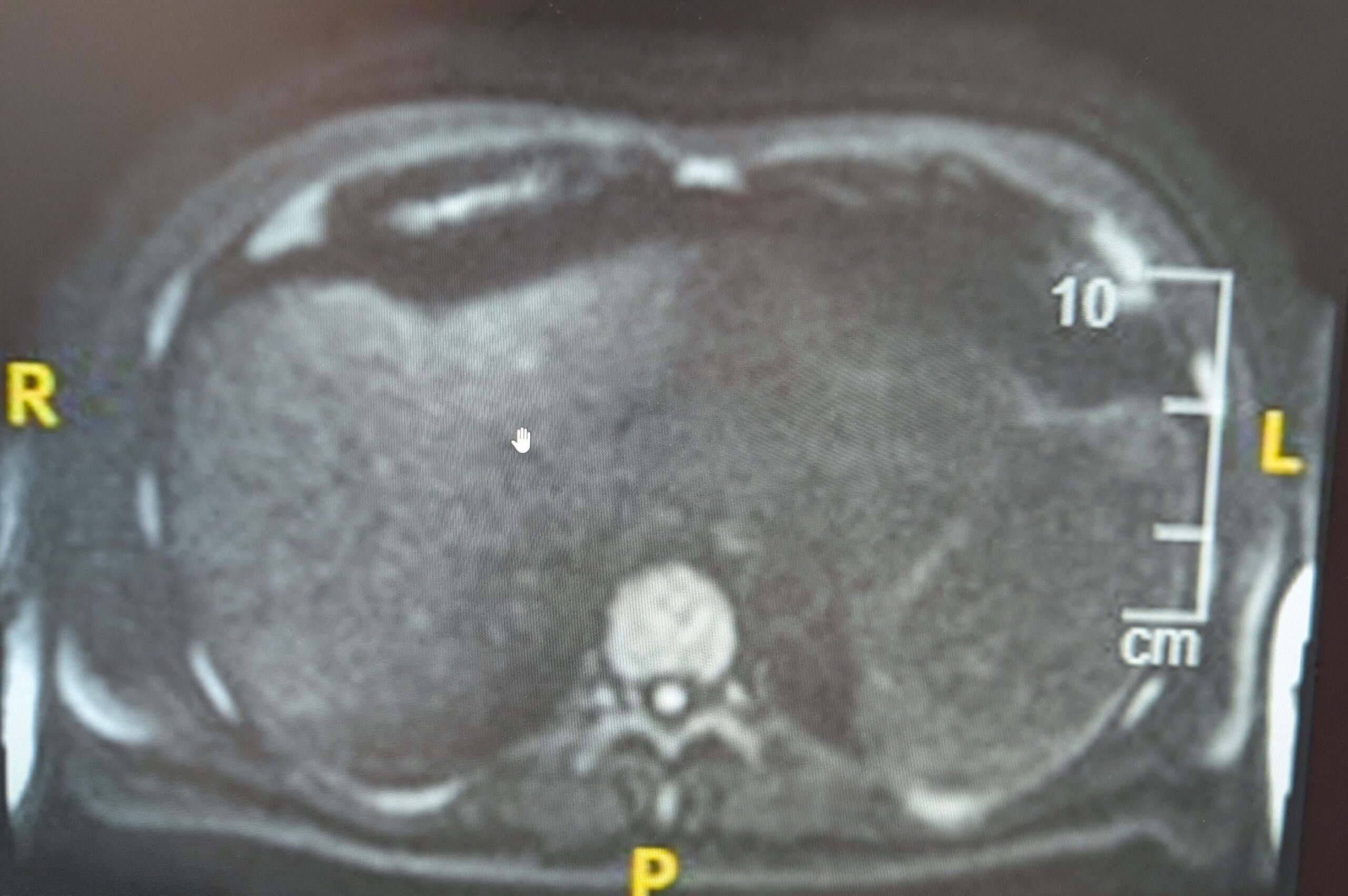
I stopped Cap-Tem in September 2025 in preparation for surgery, and my latest CT, which I have now seen, shows almost complete remission with just one solitary spot on my liver, down from a 50%+ involvement in December 2024.
–
–
I have been denied ablative therapy, which, guess what? I’m obviously appealing.
I am also trying to get a Gallium 68 Dotatate PET scan, which I have never been offered.
What I have learned so far
- Finding a UK NET Centre of Excellence is the best way forward.
- Pancreatic function and diabetic responses can be very different.
- Try to learn about spinal anatomy (if, of course, you want to).
- Positivity is much better than negativity.
- Support from friends and family is important, although despite best efforts, they don’t entirely understand.
- Self-advocacy is vital – I check and question everything.
- I used AI. For me, it explained everything clearly and helped me formulate plans, but be vigilant and double-check your facts.
- Enjoy life as much as possible.
I know I got lucky.
This is my story so far, and hopefully food for thought for others in the same boat – but please remember none of it is medical advice.
Andy
Written Jan 2026
Further Support: