|
Getting your Trinity Audio player ready...
|
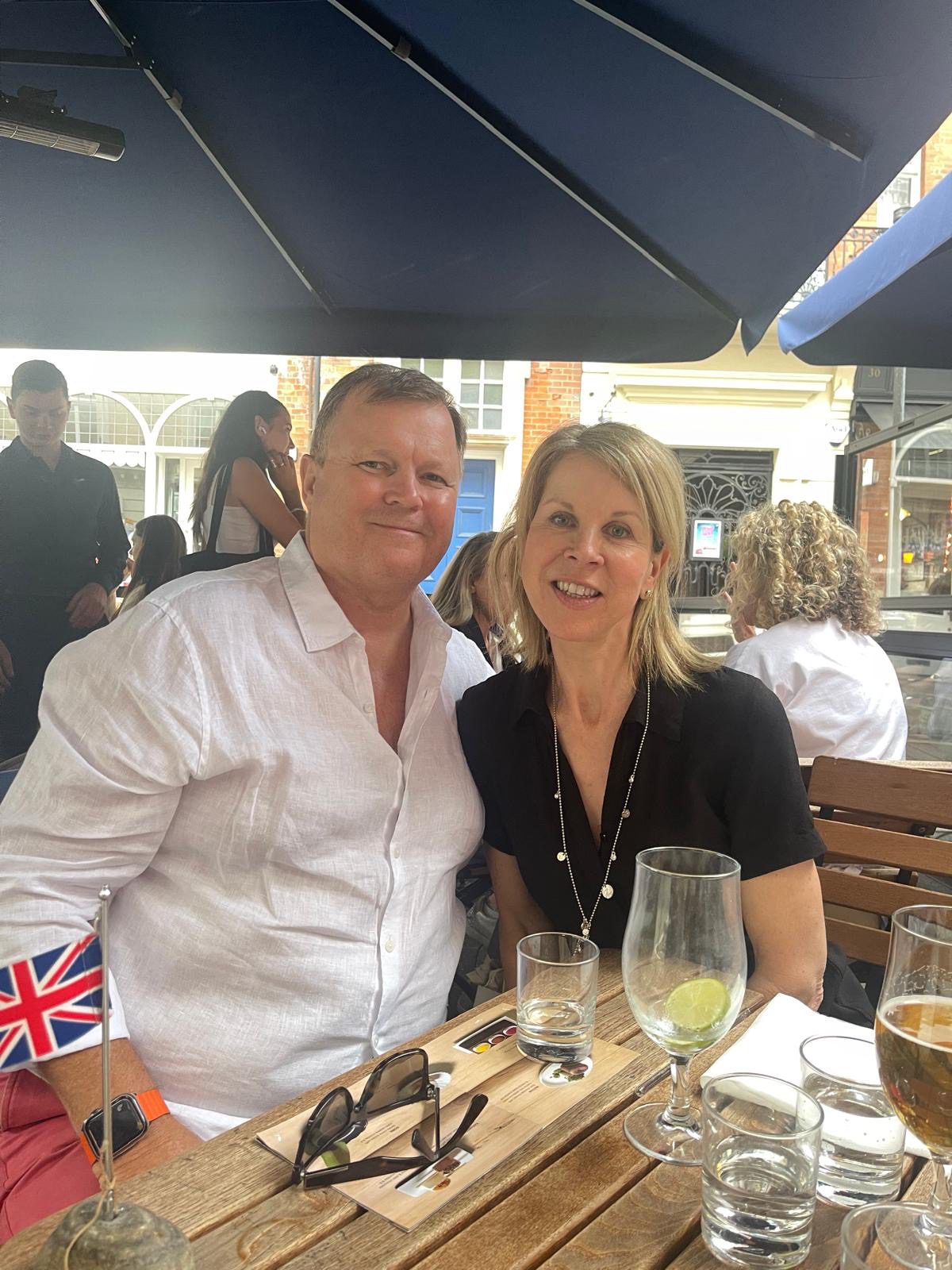
Name: Nick
Neuroendocrine Cancer Site: Pancreas
Hospital: London Bridge Hospital (Private)
Diagnosed: 2024
–
Nick’s Story
Reflection After Surgery
I’m writing this as a postscript nearly 10 weeks after my distal pancreatectomy and splenectomy, now that I’ve had time to pause and reflect. I thought it might be useful to share some takeaway points that might help others in the future.
Diagnosis and Surgical Surprises
I had my operation at London Bridge Hospital, using my medical health insurance after my initial PET scan showed a single (assumed benign) tumour in my pancreas. However, once surgery commenced, it turned out there were 3 tumours, and a biopsy revealed that the 2 much smaller ones were secondaries, or metastases.
There is a very small primary lurking somewhere in the duodenum area (classic Passaro’s Triangle, apparently, according to Prof Raj), but too small to easily find and remove so the plan is to scan every 6 months, and his view was I should outlive it but if it starts to misbehave then they’ll go back in, locate and remove it. Therefore, expect the unexpected. Even when there are fantastic people and science involved, there is still room for surprises.
Surgery and Recovery
Surgery was open cut, and I have a cracking scar to show off now… my career as a male model is definitely over.
A couple of people on the Facebook Support page gave very good advice pre-op in that you need to be as fit as you can to help overcome the gruelling first few weeks if you’re going to have as good a recovery as possible. I’ve always been active, but I made sure I conditioned my body in the gym so that what seem like simple tasks, such as lifting yourself up out of bed and getting out of chairs, are manageable, and you ensure you have the strength to do such simple tasks. These things are quite daunting in those early days.
Experience of Private Healthcare
I used my private medical cover to have the op at London Bridge Hospital, an amazing place full of brilliant and caring staff from the surgeons (Mr Parthi Srinivasan and Mr Prachalias), to the superb nursing team (nearly all from the Philippines, incidentally) who truly cared about the patient and made sure I had the attention and support at all times. I have no axe to grind about the NHS, but my personal experience was that going the private route ensured I recovered quicker and was able to return to normal life sooner, so if you have private health cover, do consider using it to your advantage.
 Returning to Fitness
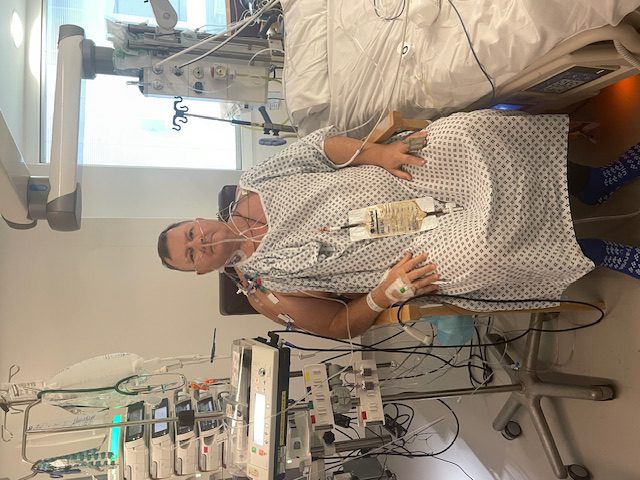
I spent 11 days in hospital (couple of complications initially), but by day 4 the physio had me walking the corridors for 10-20 mins daily. Once home, the first week was tough, but on week 4, I resumed going to the gym daily (no weights first few weeks) and walking 6,000 steps and by week 6, I was back out cycling, doing 25 miles, albeit on some flat routes.
Moving Forward with Positivity
I’m very happy with how things have gone. It hasn’t been easy, but keeping a positive mindset and determination has been half the battle. I’m grateful for the advice other patients in the Neuroendocrine Cancer UK community shared, which proved useful in some of my decision-making, and, of course, my wife. Now I’m rid of the tumours (and most of my pancreas with just enough left to produce insulin for now), I feel a million times better than pre-op.
Nick
Written July 2025
While Nick’s story highlights how private healthcare supported his personal recovery, it’s vital to remember that everyone diagnosed with neuroendocrine cancer should be referred to and managed by an accredited UK NHS NET Centre of Excellence. We believe access to specialist care is a basic right for every patient.
- Further information – The Neuroendocrine Cancer: An Ideal Patient Care Pathway