|
Getting your Trinity Audio player ready...
|
For any of you who have had the magic words ‘PRRT’ mentioned as part of your treatment & you are feeling apprehensive, I would like to offer some re-assurance based on my own experiences.
I have had PRRT both as a private patient, as part of a Clinical Trial & also as an NHS patient. Both different experiences for me, but hopefully leading to the same end result – stability.
This is my background on how I got to this point. In 2005, after many years of abdominal pain & other symptoms & being misdiagnosed with IBS & stress, I was admitted to hospital via A&E. I had a couple of weeks of tests & scans & eventually the doctors decided to operate. I had a right hemicolectomy which is when a NET was found in my small intestine.
Once I found myself a NET specialist (my local hospital hadn’t known what to do with me), I was monitored regularly & left on ‘watch & wait’ – eventually starting on Lanreotide injections a few years later. However, by early summer 2018, it was felt that my disease was progressing enough to warrant PRRT. Unfortunately, at that time, PRRT had been withdrawn by NICE, so I was offered the option of going on a Clinical Trial, LU-177 OPS, using the standard Lutetium plus another added extra, DOTA with amino acids which should bind to the tumours more effectively.
I had 4 cycles of this, roughly 8 weeks apart, from September 2018 – April 2019. I was monitored very closely for 2 years after & all the scans during this time showed stability, which is the main aim of PRRT.
However, when the scans at the beginning of the trial were compared to the scans at the end of the monitoring period, it was found that whilst the smaller tumours were stable, the 2 largest in my liver were still growing, although slower than before. PRRT was suggested again & as I hadn’t yet had any on the NHS, this was approved. At the moment, most UK patients receive 4 cycles. If more are needed I understand an appeal can be submitted.
To prepare for more PRRT, after having a GA68 PET scan, I had routine CT & MRI scans to use as a baseline, along with an echocardiogram & bloods. All were OK so in April 2022, after coming off my Lanreotide injections for 4 weeks, I was booked in for my 5th cycle, slightly delayed by a nasty bout of Covid!
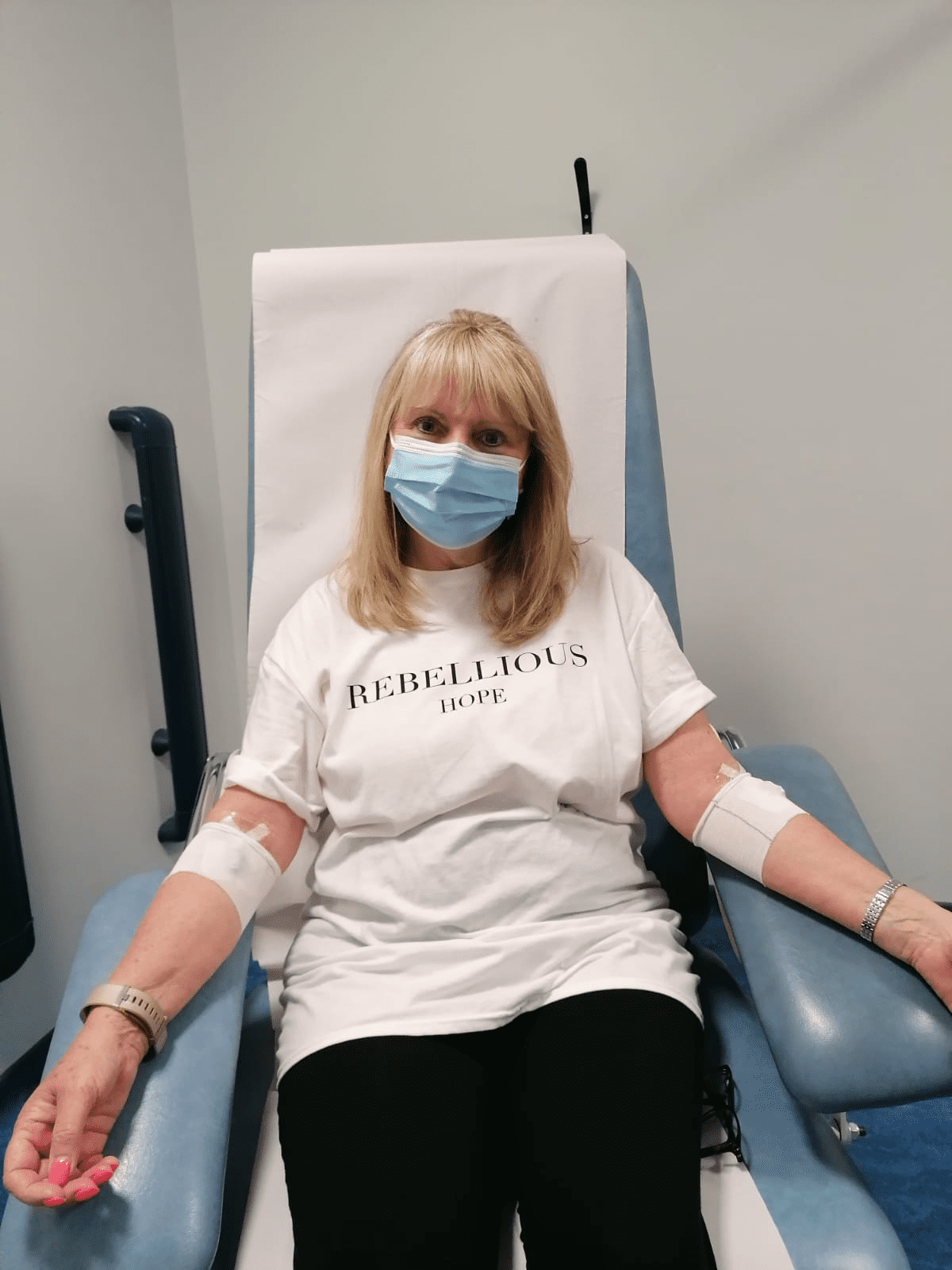
This time I arrived in London on a Wednesday & stayed overnight in hospital accommodation, so that I could check in at the Nuclear Medicine Dept at 8am the next day. Once there, bloods were taken & cannulas inserted into both arms. Then I was taken to my lead-lined room on the ward where I was given a thorough examination by a NET doctor. I was connected up to 2 drips on my right side for amino acids (to protect the kidneys) & saline. These were started about 30 minutes before the procedure & I also took an anti-sickness tablet then. I must admit that I was very apprehensive about the infusion as I had had a lot of spinal/pelvic pain with the first 4 cycles, but I needn’t have worried as the standard Lutetium didn’t cause me any problems. In fact the whole procedure was a lot quicker & much more relaxed than my previous experience. By having lots of light-hearted banter with the overseeing doctor & therapist to take my mind off what was happening, the 30 minutes or so that it took for the drug to go into me went really quickly & I had absolutely no pain or side effects during this time.
The drips were still connected to me for another 4 hours, after which I was taken down to the Nuclear Medicine Dept for a SPEC/CT scan to check on the uptake. This scan has improved over the years & now only takes about 30 minutes for the camera plates to revolve around your body.
I spent an uneventful night in hospital in complete isolation as I was radioactive & was discharged the next morning with all the paperwork & a bag full of medications. For me it is so much better to be discharged in the morning as I had a long journey ahead, rather than travelling back later in the day through the rush hour traffic.
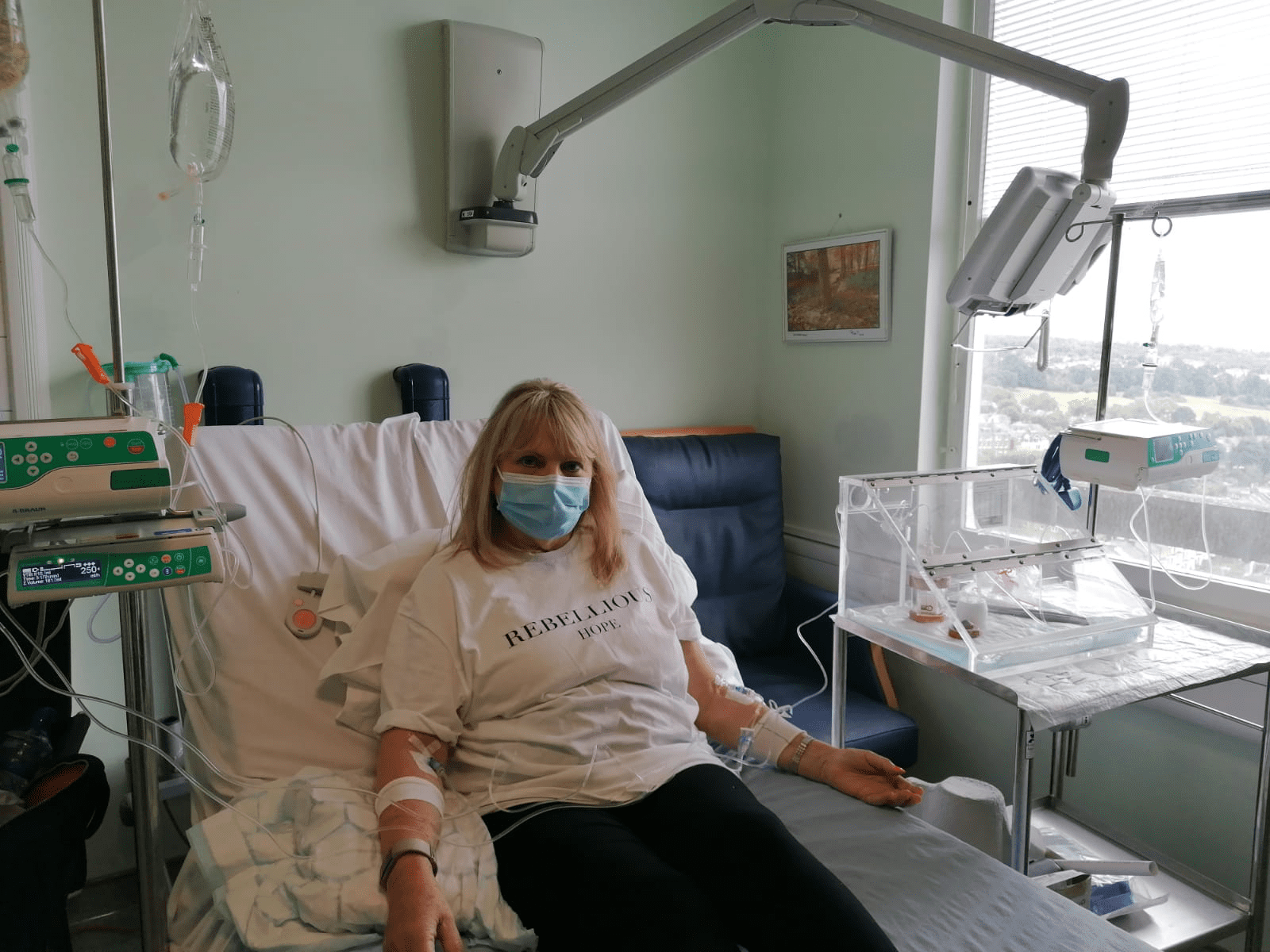
Fast forward 3 months & I had my 6th cycle early July 2022. Everything went exactly the same as number 5, except I wasn’t so worried this time!
I have been lucky in that the worst side-effect for me has been the fatigue. I have been warned that this 6th lot would probably hit me hard & could take me a couple of months to recover from & they weren’t wrong. I have also had the usual hair shedding which starts about a week after treatment & lasts a few weeks each time. It was a shock initially to see all my hair blocking the plug hole, but I’ve got used to it now. Fortunately I didn’t have too much nausea, (only on day 4 this time), but would always recommend that the hospital gives you anti-sickness tablets to take home with you.
Once home it is necessary to follow the instructions given regarding avoiding contact with others. Hospitals do vary slightly with the recommendations, but in general it is advisable to refrain from close contact with adults for a week & children/pregnant women for 2 weeks. To get the best effect, your next Lanreotide injection should be given about a week after the treatment – but every patient is different.
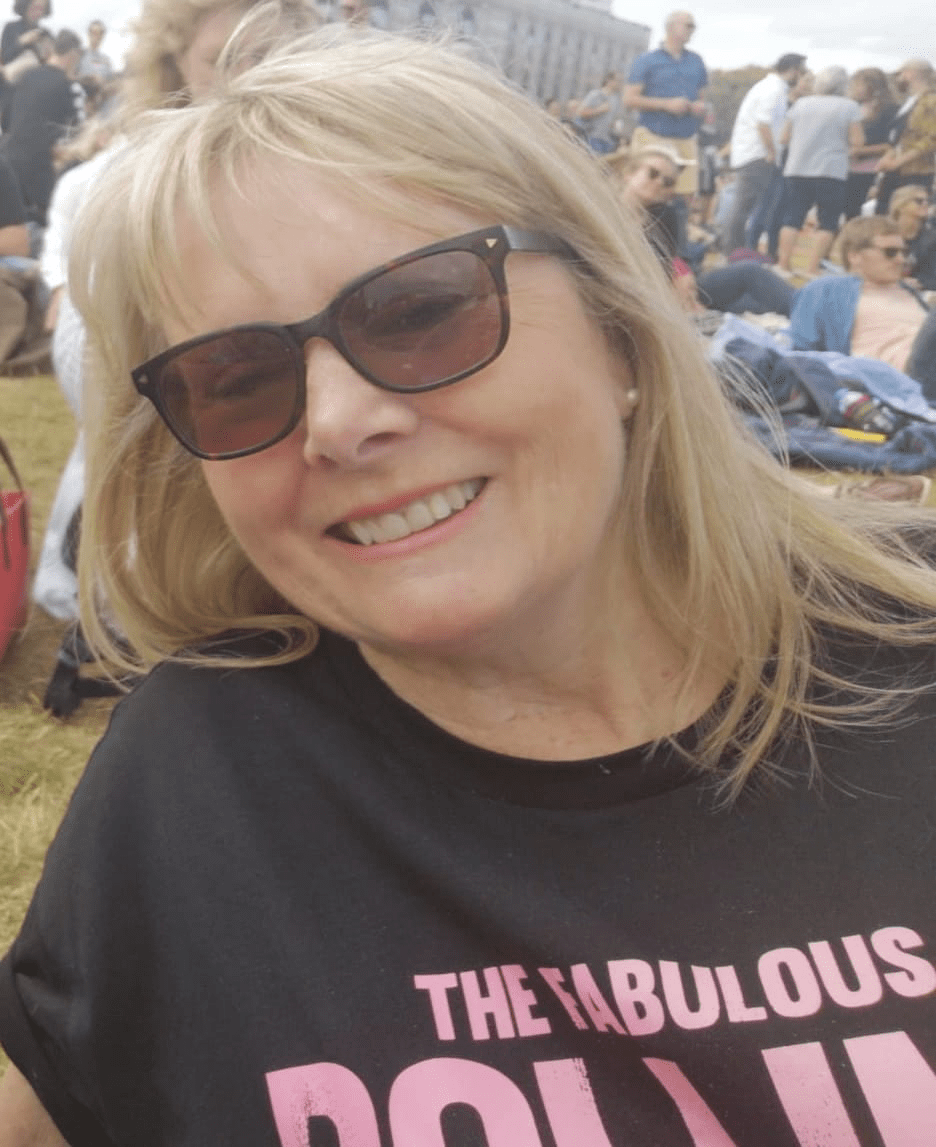
For me the fatigue sets in almost immediately, so I just listen to my body & pace myself. It is a bit frustrating, as I like to lead an active life, helping to look after my 3 granddaughters & going to lots of different events etc. I did manage to fit in 2 Hyde Park concerts between numbers 5 & 6. Mick Jagger put me to shame! It’s nice to be able to enjoy life without any treatment until the next lot of scans which are normally about 3 months after the final cycle. We usually try to fit a holiday in as soon as possible.
It’s important to remember that PRRT isn’t a quick fix, but a treatment for the long haul.I was told that my first 4 cycles would go on working for about 2 years.
Wishing everyone on this journey all the very best of luck & hopefully I have managed to give some re-assurance that mostly, there is nothing to worry about when undergoing PRRT (add link) – but be sure to keep in touch with your Nuclear Medicine team and CNS.
Carolyn