|
Getting your Trinity Audio player ready...
|
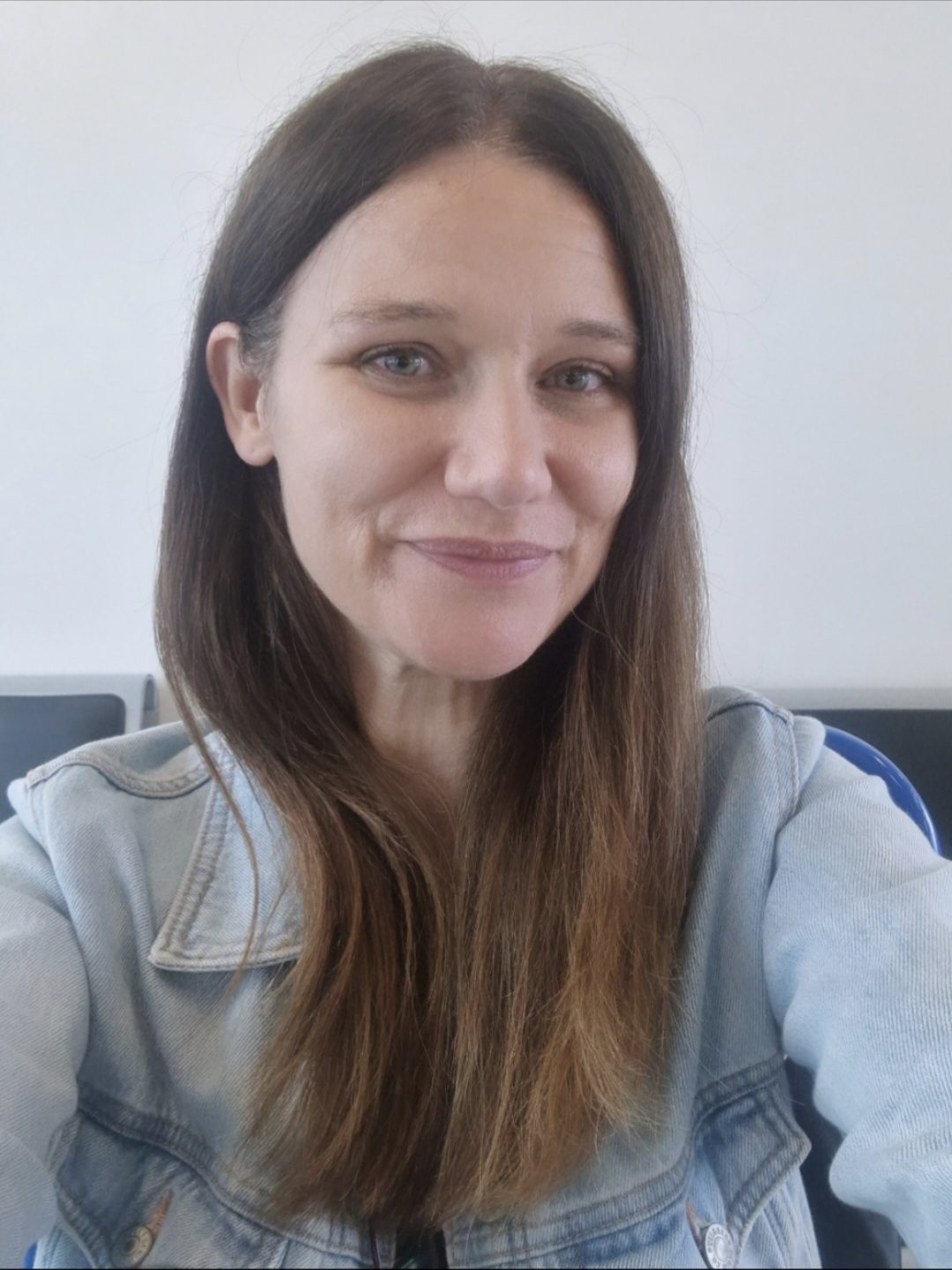
Hi everyone. My name is Kerie, and I became an ambassador in July 2025, so I am still a newcomer to the team, but I have enjoyed my time so far enormously – not least as part of the media campaign to raise awareness of neuroendocrine cancer on this year’s World Cancer Day by taking part in The Invisible Cancer Report.
I was motivated to become an ambassador because, even though it is now 14 years since my diagnosis, I still (as I know you will) regularly meet people who have never heard of neuroendocrine cancer. And I really believe we need to change this if we want to improve things for people living with this disease.
Before becoming an ambassador, I was involved in a few activities to help raise awareness of neuroendocrine cancer, mostly through sharing my experience on social media. But when I was no longer able to work, I applied to become an ambassador to use my time and skills to become a patient representative for the wider neuroendocrine cancer community.
Ambassadors get involved with any activity where using our knowledge and experiences as patients can make a difference.
First Project
At the end of last year, I took part in an online interview with an Advanced Nurse Practitioner, Mike Tadman, who is part of a team creating an online training course for Neuroendocrine Cancer UK’s Training Hub. The course is for nurses and other healthcare professionals to learn all about neuroendocrine cancer. During the interview, Mike asked me questions about my experience of living with neuroendocrine cancer, and in particular the treatments I’ve had, the side effects I have experienced and what has helped me to manage my symptoms. Our conversation was recorded so that clips can be used in the online training course. This will mean that people on the course can hear directly from patients as part of their learning. It was a pleasure to take part in this project. I didn’t need to prepare anything in advance and the conversation was very friendly and informal. I suffer with brain fog and don’t always find it easy to recall information quickly, but Mike was very patient and allowed me time to formulate my thoughts. I hope the recording will help to bring to life what it is like living with neuroendocrine cancer for the nurses and other healthcare professionals who undertake the course.
Second Project
With others, I am also currently a patient representative on a steering panel for a research project. The project, which is in partnership with UKINETs and the James Lind Alliance, is designed to help shape the future of neuroendocrine cancer research by determining the most important unanswered questions in neuroendocrine cancer care through a questionnaire completed by patients, carers and healthcare professionals.
As one of the people with lived experience of neuroendocrine cancer on the panel, I helped to shape the questions asked in the survey. Again, no preparation was needed to take part in the work of the steering group, only a willingness to share my views on what questions should be asked and how, to encourage as many patients as possible to respond and ensure that neuroendocrine cancer patients views are heard. The survey is now closed but I am looking forward to seeing the outcome when published.
Third Project
Most recently, and as mentioned above, I also shared my experience of being diagnosed with and living with neuroendocrine cancer as part of the charity’s latest report The Invisible Cancer: How delays, Misdiagnosis and Unequal Treatment of Neuroendocrine Cancer in the UK Are Costing Lives.
I am one of the patient case studies featured in the report which hopes to increase recognition and understanding of neuroendocrine cancer. I want to help future neuroendocrine cancer patients to get an earlier diagnosis, and receive the right treatment and the support they deserve. Again, it was very easy to take part. A member of staff interviewed me over the phone and then turned the notes from our conversation into a patient case study. I was able to add to this with the few things that I hadn’t remembered to mention during the call.
I also agreed to share my case study with the media as part of the report launch on World Cancer Day and my story, in which I share my experience of being misdiagnosed, was featured in several national newspapers.
It’s strange to see your story in print, but since the report and the newspaper articles were published I have received many messages from neuroendocrine cancer patients and their families saying they related to my story and thanking me for sharing which has made it feel really worthwhile. It is so rare to see neuroendocrine cancer in the news – it was good to be able to help the charity get information about the challenges associated with neuroendocrine cancer into the public eye.
If you are thinking about sharing your story, or becoming a volunteer or an ambassador for the charity, I would say just go for it! The theme for this year’s World Cancer Day was ‘United by Unique’ and I think that sums up the neuroendocrine cancer community really well. We all have different, unique, experiences of neuroendocrine cancer but we’re all in it together.