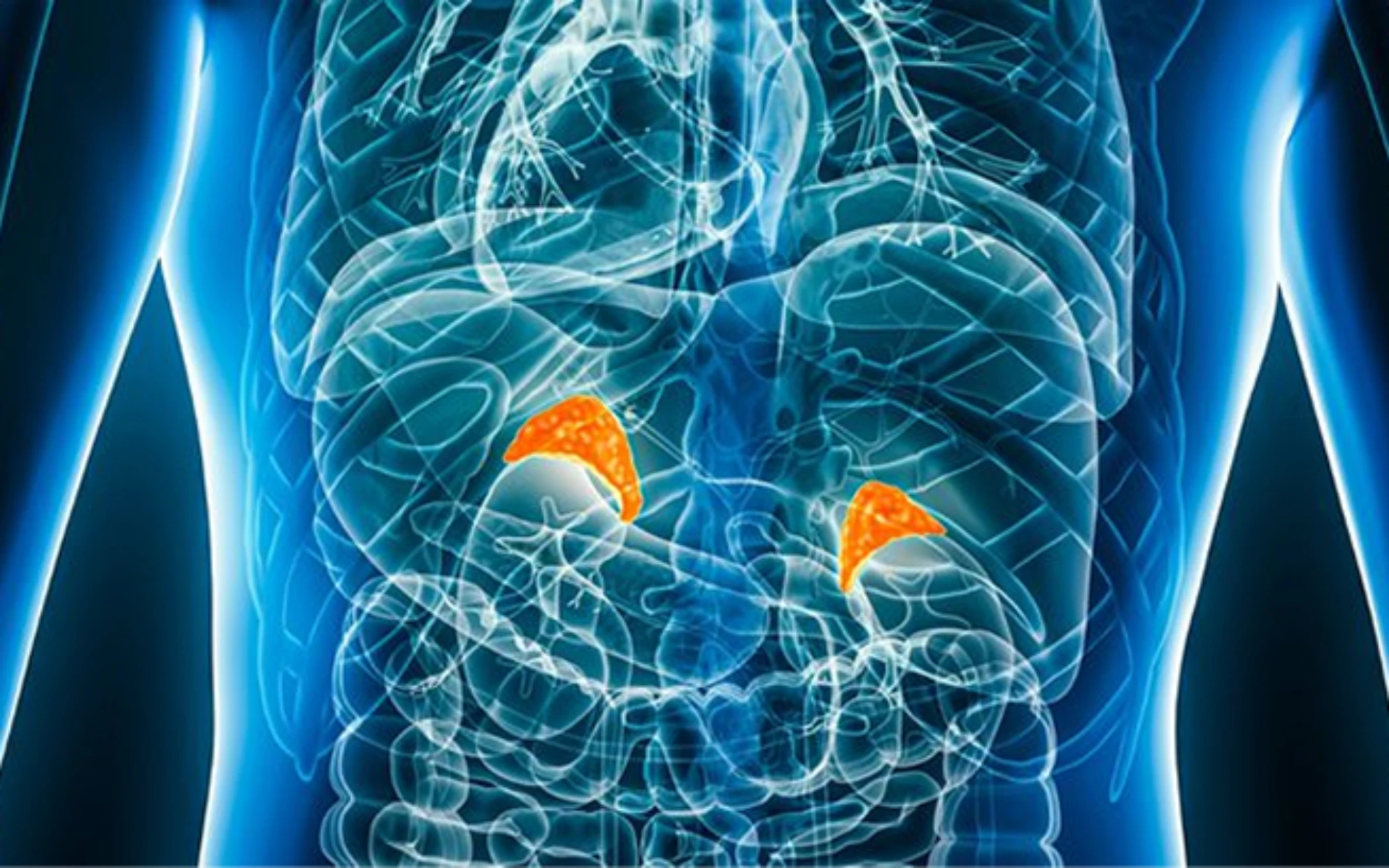
Pancreas

Pancreatic neuroendocrine cancer

Pancreatic neuroendocrine cancer can produce excess hormones in some people and tumour-related symptoms in others. It can also cause pancreatic exocrine insufficiency, with pale fatty stools, weight loss and bloating, managed with enzyme replacement therapy.
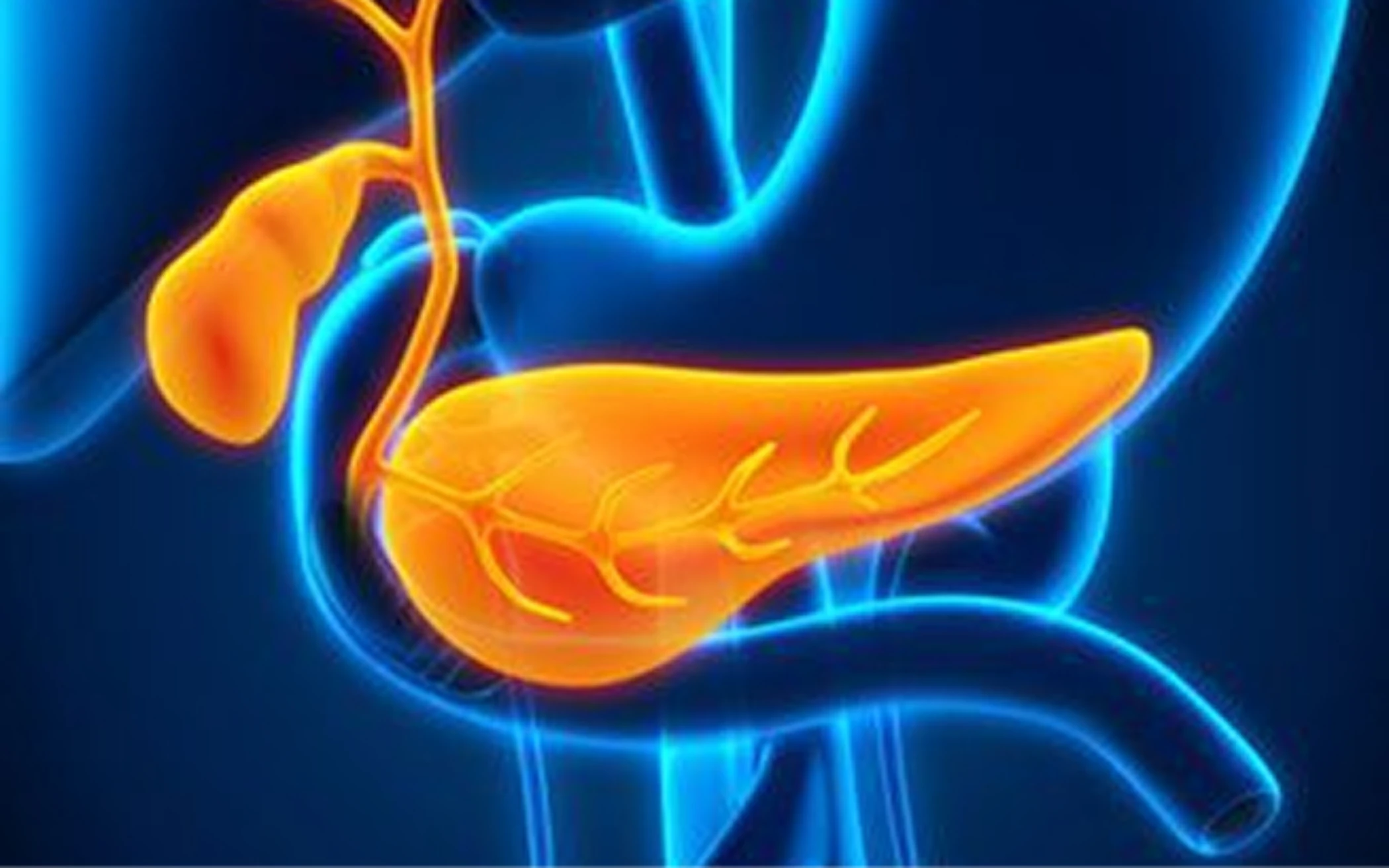
Close-up anatomical graphic of the pancreas and gallbladder, relevant to pancreatic and biliary neuroendocrine cancers.

Overview

Getting your Trinity Audio player ready...

Pancreatic neuroendocrine cancer can affect people in different ways, depending on the type of cancer and whether it produces hormones. Some people experience symptoms related to excess hormone production, while others may have symptoms caused by the tumour itself. Tests and scans can help your healthcare team understand your cancer and plan the most appropriate treatment and follow-up care.

This page provides access to our detailed guide to pancreatic neuroendocrine cancer, covering different types, symptoms, diagnosis, grading, treatment and monitoring. You’ll also find further information about pancreatic exocrine insufficiency (PEI), pancreatic enzyme replacement therapy (PERT) and diabetes, which may be relevant to your care.

Use the links in the box to find the information that is most relevant to you.

Additionally you can explore our Pancreatic Neuroendocrine Cancer Booklet.

Pancreatic exocrine insufficiency (PEI) and pancreatic enzyme replacement therapy (PERT)

People with pancreatic neuroendocrine cancer may develop pancreatic exocrine insufficiency (PEI), either as a result of the cancer itself or following treatment, particularly pancreatic surgery.

  • PEI can lead to malnutrition due to nutrient malabsorption, underlying pancreatic disease effects, and symptom impact on oral intake. Symptoms include steatorrhea (pale, fatty/greasy, loose stools), weight loss, diarrhoea, abdominal pain and bloating.
  • Pancreatic enzyme replacement therapy (PERT) is the primary treatment and significantly improves survival and quality of life in PEI patients.

Diabetes

People with pancreatic neuroendocrine cancer may develop diabetes as a result of the cancer itself or its treatment, particularly if part or all of the pancreas has been removed.

Diabetes is a chronic disease affecting insulin production and usage, crucial for regulating blood glucose. The pancreas produces insulin and glucagon, hormones that maintain blood sugar levels.

In the UK:

  • 4 million people (1 in 15) are diagnosed with diabetes
  • Up to 1 million more are undiagnosed
  • 1 in 5 people with cancer also have diabetes
  • Diabetes can develop before or after a cancer diagnosis, or due to cancer or its treatment
  • Types 1 and 2 are the most common, but Type 3 is often underestimated and undiagnosed, causing challenging swings in blood glucose levels

For the neuroendocrine cancer community, managing diabetes can be particularly complex. Understanding the connection and seeking appropriate care is vital.


Diagnosis and living with pancreatic neuroendocrine cancer

A diagnosis of pancreatic neuroendocrine cancer can bring questions, uncertainty and a range of emotions. Information and support are available to help you understand your diagnosis and navigate what happens next.

Just diagnosed with neuroendocrine cancer? Access information and support to help you navigate the early days after diagnosis.

Just diagnosed with neuroendocrine cancer?

Stories from our community

Hear from people connected to neuroendocrine cancer as they share their experiences, perspectives and insights – from living with the condition to caring for, treating and supporting those affected.

Read and watch their stories

Remember

Remember: every person’s experience with pancreatic neuroendocrine cancer is different – there may be shared similarities, but each journey is unique.

Your healthcare team will support you every step of the way, guiding your treatment, care, and follow-up. We’re here alongside them, offering additional support and information whenever you need it.


The information on this page is based on available clinical expert guidelines and publications. It is for informational purposes only and should not be considered professional medical advice.

On this page

We’re here to help. Please call.

Our dedicated neuroendocrine cancer helpline provides general neuroendocrine cancer information 
and peer support.

Contact us

Find out about other cancer types and treatments

Paraganglioma is a rare neuroendocrine tumour that develops from specialised cells near nerves and blood vessels, most often in the abdomen. Functioning tumours release hormones such ...


Published: 11 months ago

By Neuroendocrine Cancer UK

Lung neuroendocrine tumours vary widely. Some grow very slowly and cause no symptoms at first, while others cause breathlessness or a persistent cough, or release hormones ...


Published: 11 months ago

By Neuroendocrine Cancer UK

Phaeochromocytoma is a rare neuroendocrine cancer that develops in the inner part of the adrenal glands. Some tumours release extra hormones, while others cause few or ...