|
Getting your Trinity Audio player ready...
|
Large cell neuroendocrine carcinoma (LCNEC) of the lung is a rare, faster-growing type of neuroendocrine cancer that develops in the lungs. It is one of two main types of lung neuroendocrine carcinoma (NEC), alongside small cell lung cancer (SCLC).
LCNEC of the lung can affect people in different ways, and some people may have no symptoms at first. Diagnosis may involve scans, procedures such as bronchoscopy, and examination of a tissue sample. Tests on the cancer cells may also help guide treatment choices.
This page explains more about LCNEC of the lung, including possible causes and symptoms, diagnosis, treatment and follow-up care. It also includes information about living with your diagnosis and where to find further information and support.
Use the links in the box to find the information that is most relevant to you.
What is LCNEC of the lung?
Neuroendocrine cancer is a type of cancer that begins in the neuroendocrine cells, which are found throughout the body. These cells have the ability to release hormones that can regulate many body functions. When they become cancerous, their growth rate and normal function is disrupted.
There are two main types:
- Neuroendocrine tumours (NETs) – usually slower growing
- Neuroendocrine carcinomas (NECs) – less common and faster growing
Furthermore, lung NECs can be divided into two main types:
- Small cell lung cancer (SCLC)
- Large cell neuroendocrine carcinoma (LCNEC)
Although SCLC is a type of neuroendocrine carcinoma, it is usually treated by specialist lung cancer teams, rather than neuroendocrine cancer teams.
This page focuses on LCNEC of the lung. It is a less common type of lung cancer, and it may be managed differently from small cell lung cancer.
If you would like more information about (SCLC), you can visit The Roy Castle Lung Cancer Foundation.
For more information about NETs of the lung, please click here.
Your lungs
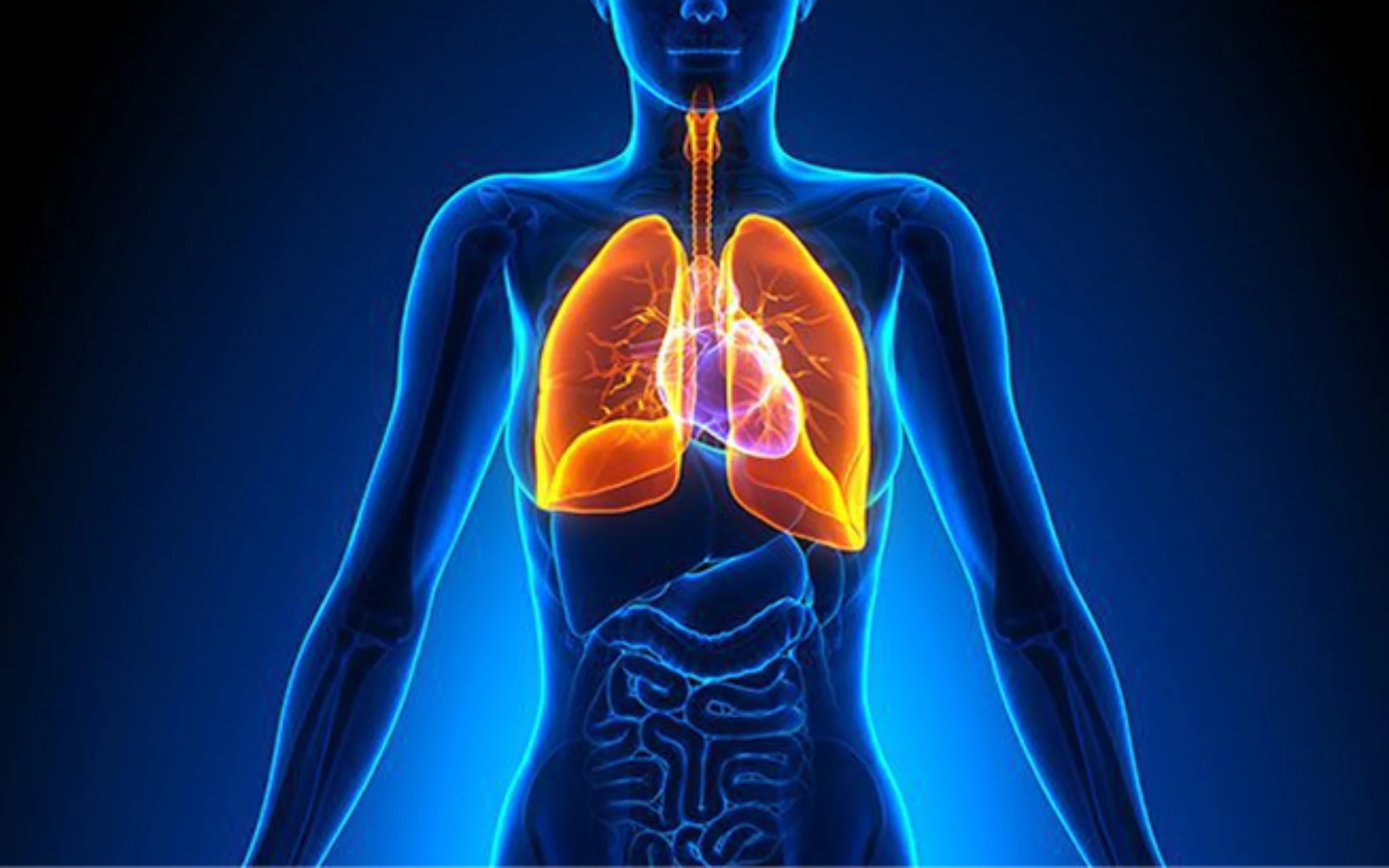
Your lungs sit in your chest on either side of your heart.
Each lung is divided into sections, called lobes:
- The right lung has three lobes: upper, middle and lower
- The left lung is slightly smaller and has two lobes: upper and lower
Each lobe is further divided into smaller areas, known as segments.
The lungs are covered by a thin protective layer called the pleura.
There is a small amount of fluid between the lungs and the chest wall, this allows the lungs to move smoothly as you breathe in and out.
Lung size varies from person to person. On average, men tend to have slightly larger lungs than women. Even during exercise, we usually use only about 70% of our full lung capacity.
Lungs help you breathe by:
- Taking in oxygen
- Removing carbon dioxide
They can also:
- Help protect against infection
- Filter blood
- Support hormone and chemical balance
How do LCNECs of the lung develop?
The exact cause of LCNECs of the lung is not fully understood. However, the risk factors may be similar to those for other types of lung cancer, such as smoking and exposure to harmful substances (toxins) in the environment or workplace.
Researchers are still learning more about how the body works, how the environment affects our health and how changes in our genes may lead to cancer. This research is helping to improve how cancer is diagnosed, develop better treatments and find new ways to prevent cancer in the future.
For most people, neuroendocrine cancer is NOT inherited. This means that it is not usually passed down from parents and does not commonly run in families. However, very occasionally, doctors may notice that more than one person in a family develops the same condition.
This is called familial clustering: this does not always mean the cancer is genetic. Other factors can play a role, such as shared lifestyle habits (for example, smoking or diet) and shared environment (such as where people live or work).
If you are worried about your risk or family history, you can speak to your healthcare team. They can offer advice and support tailored to you.
Signs and symptoms
Some people have no symptoms at first.
When symptoms occur, they may include:
- Shortness of breath
- Persistent cough or wheeze
- Chest pain
- Recurrent chest infections
- Sputum (phlegm) may be blood stained.
Cancer-related syndromes (not specific to LCNEC of the lung, but all lung cancers)
Up to 2% (2 in 100 people) may present with or develop Cushing’s syndrome, with symptoms such as:
- Weight gain
- High blood pressure
- Diabetes
- Tiredness/fatigue
- Excess hair growth on the face, chest, abdomen or thighs
- Changes in vision
Tell your healthcare team about any new or changing symptoms.
Adrenal insufficiency and adrenal crisis
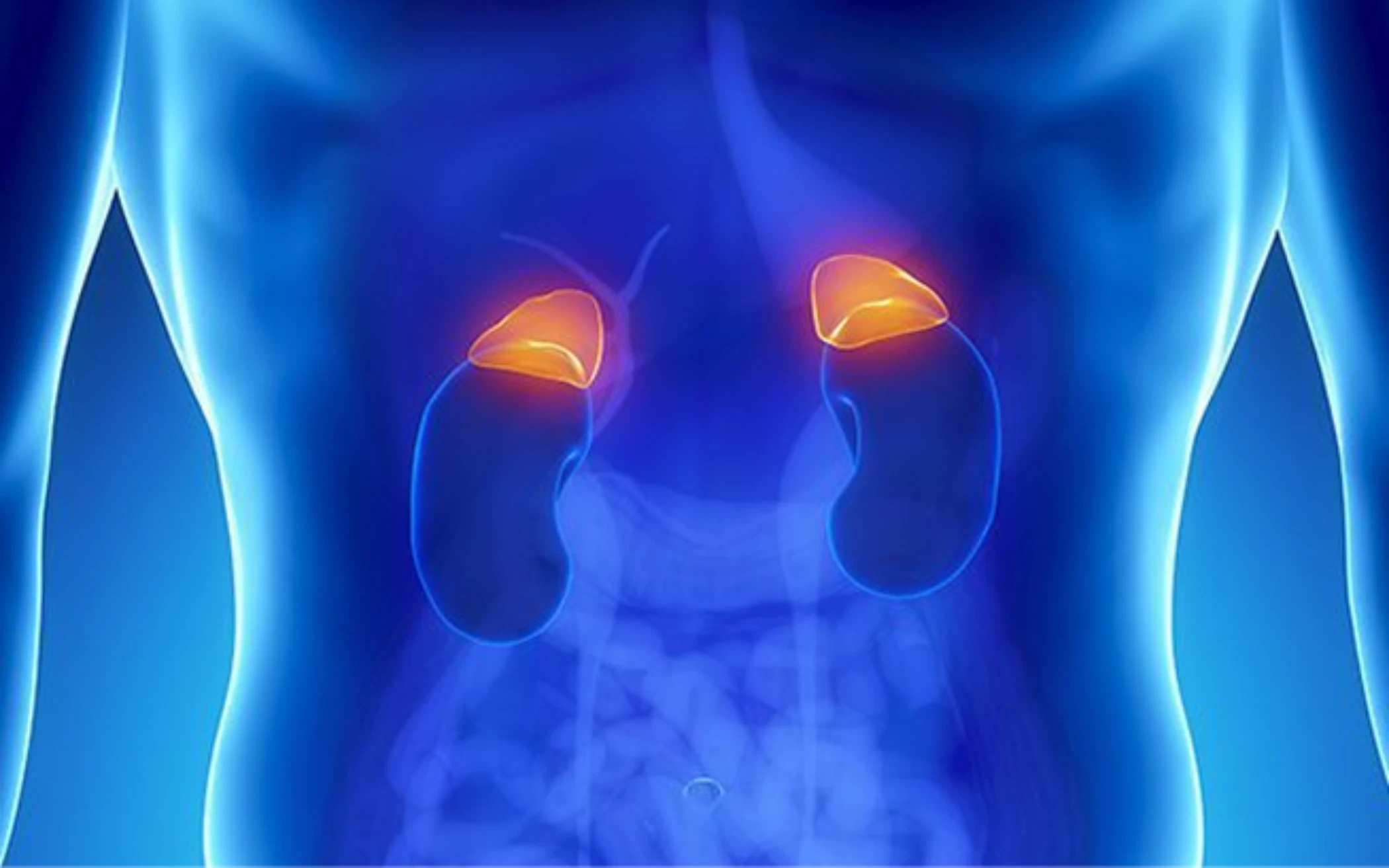
One treatment for Cushing’s syndrome is to remove one or both adrenal glands. If you have had this treatment you may be at risk of adrenal Insufficiency with or without adrenal crisis.
Adrenal insufficiency means the body cannot make enough steroid hormones, which are vital during illness or stress. If not treated quickly, this can lead to an adrenal crisis, which is a medical emergency. Risk increases during illness, surgery, injury, or vomiting/diarrhoea: follow ‘sick day’ rules.
Specialist teams plan care to reduce this risk.
Always carry a Steroid Emergency Card if advised. You can order one from The Addison’s Disease Self-Help Group, or download here.
Rare symptoms (paraneoplastic syndromes)
Very rarely, cancer can trigger symptoms caused by the body’s immune response to cancer. These are uncommon but can sometimes cause serious health problems.
Watch our video: Paraneoplastic Syndromes – Explained
Symptoms related to treatment
Treatments can cause side effects, but not everyone experiences them. Your team will talk through possible side effects and how they can be managed.
Tests and scans
Blood and urine tests
- Routine bloods, such as full blood count, liver and kidney function, and others
- Vitamin, mineral and trace element check
- Carcinoembryonic antigen (CEA) is a protein that can be measured in the blood. Levels of CEA may be higher than normal in some cancers, especially certain types of non-small cell lung cancer. A raised CEA level does not always mean cancer. It can also be higher in people with non-cancer (benign) conditions, such as chronic lung diseases (for example, COPD) and lung infections, and in people who smoke. Other factors can also affect the result.
If Cushing’s syndrome is present or suspected, serum cortisol, urinary cortisol and adrenocorticotropic hormone (ACTH) may be tested.
Scans and procedures
- Bronchoscopy or endobronchial ultrasound (EBUS)
- Chest X-ray, CT, MRI scans
- FDG-PET scan
- Echocardiogram (if you have a history of heart disease)
- Biopsy (tissue sample)
For neuroendocrine cancers of the lungs, there are different ways samples may be taken, depending on your situation.
If you have surgery as your first treatment, any tissue removed will be sent for testing (histopathology).
If surgery is not possible, or more information is needed, a biopsy may be done. This involves taking a small tissue sample to examine under a microscope. Sometimes a bronchoscopy with lavage is used. A thin tube is passed into the lungs, and a small area is gently washed with fluid, which is then collected and checked for abnormal cells.
In some cases, VATS (video-assisted thoracoscopic surgery) may be used. This is a type of keyhole surgery that allows doctors to look inside the chest and take samples through small cuts.
These tests help confirm diagnosis and guide treatment.
Watch our video: Your Guide to Scans
Treatment options
Your care is individualised based on your tumour, health and preferences.
Cancer gene changes and targeted treatments
Unlike small cell lung cancer, some large cell neuroendocrine carcinomas (LCNECs) may have specific cancer cell gene changes (mutations or fusions) that can be targeted with treatment.
Doctors may suggest a detailed test called genomic testing to look for these changes. Finding them may help match you with targeted treatments that are more personalised.
Some examples of cancer gene changes include:
- EGFR changes
- ALK or ROS1 changes
- MET changes
- HER2 changes
- KRAS G12C changes
Not everyone will have these changes, but testing may help guide treatment choices.
1. Monitoring (surveillance)
Often used after treatment or if treatment is not possible but intervention or supportive care may help with symptom management. Regular scans and check-ups help monitor for any changes.
2. Surgery
If possible, surgery for LCNEC of the lung needs to remove all evidence of early-stage cancer. Because of this, surgery for LCNEC of the lung may not be possible.
Types of surgery range from removing a small section to a full lung:
- Wedge resection, which involves the removal of a ‘wedge’ of lung that contains the tumour.
- Segmentectomy, which involves the removal of the segment(s) of lung that contains the tumour.
- Lobectomy, which involves the removal of one or more lobes.
- Sleeve resection, which involves the removal of an upper lobe along with part of the main airway. The remaining lung is then attached to the remaining airway.
- Pneumonectomy, which involves the removal of an entire lung.
Watch our video: Lung Surgery – why it’s performed, what to expect and tips for recovery
3. Non-surgical treatment options
- Chemotherapy: often the first treatment to be considered. The main treatment is usually platinum-based chemotherapy, sometimes combined with etoposide (or irinotecan in certain cases). If the cancer comes back or grows, further treatment options may include reusing the first treatment or trying other drugs such as topotecan, docetaxel, paclitaxel, gemcitabine or temozolomide (with or without capecitabine), although there is less research to support these so they may be offered as part of a clinical trial.
- Radiotherapy: external beam radiation therapy (EBRT) may be used to target specific solitary small lung NECs or treat symptomatic bone metastases. Stereotactic body radiation therapy (SBRT) may be used to treat early-stage inoperable LCNECs of the lung and/or brain metastases.
- Targeted medical therapy (e.g. the mTOR inhibitor everolimus): these are targeted treatments that block a protein that cancer cells use to grow and divide, helping to slow or stop tumour growth.
- Immunotherapy: in clinical trials this is looking promising in treating LCNECs of the lung but has yet to become a standard of care. Research is ongoing. An immune checkpoint inhibitor (e.g. pembrolizumab) may be considered if available and accessible. These help your immune system recognise and attack cancer by removing the ‘brakes’ that normally hold it back.
- Symptom control and supportive care: includes any treatment or support that helps you feel better, even if it is not directly treating the cancer. This may include medicines, dietary advice and/or psychological support. Techniques such as mindfulness or relaxation may help with pain, fatigue, stress or anxiety.
- Endoscopic intervention: aims to improve symptoms of disease, for example a bronchial stent may be used to open narrowed airways to improve breathing.
- Clinical trial therapy: clinical trials are used to find out if new treatments and techniques are safer and more effective than the ones that already exist, or for discovering if existing treatments can be used in different, more effective, ways or combinations. One area of research includes DLL3-targeting treatments, which help the immune system find and attack cancer cells in people whose cancers are DLL3 positive on testing.
Diagnosis and living with LCNEC of the lung
A diagnosis of neuroendocrine cancer can bring questions, uncertainty and a range of emotions. Information and support are available to help you understand your diagnosis and navigate what happens next.
Just diagnosed with neuroendocrine cancer? Access information and support to help you navigate the early days after diagnosis.
Follow-up care
Follow-up is an important part of your ongoing care. It helps your healthcare team check how you are doing, spot any changes early, and support your physical and emotional wellbeing.
While expert guidelines offer a general plan for follow-up, your care will always be tailored to you and your specific type of neuroendocrine cancer.
At each appointment, your team will ask how you are feeling, review your symptoms and medications, and arrange blood tests if needed.
You may also be offered a holistic needs assessment (HNA). This is an opportunity to talk with your specialist nurse or doctor about any physical, emotional, practical, or social needs, so the right support can be put in place.
Guideline follow-up recommendations for LCNECs of the lung
For early-stage (stage 0–1) LCNEC of the lung:
- Every 3 months during the first year
- Every 6 months during years 2 to 3
- Then once a year
For more advanced disease (stage 2–4):
- Every 2 to 3 months during the first year
- Every 3 months during years 2 to 3
- Every 6 months during years 4 to 5
- Then once a year
At or before each clinical review, you may have a contrast‑enhanced CT scan of the chest, abdomen and pelvis or a CT scan of the chest plus an MRI scan of the abdomen.
You may also have an FDG-PET if it was previously helpful in decision-making and if clinically needed.
A bronchoscopy will usually only be offered if it is clinically needed and the tumour could be seen by bronchoscopy when you were first diagnosed.
Although very uncommon, LCNEC of the lung may spread to the brain. Because of this a brain scan may be arranged if you have symptoms that suggest this. An MRI scan is preferred, but a CT scan may be used if MRI is not suitable. If you already have known brain metastases, you will have regular brain scans.
How you can help your care
You are a key part of your team. You can help by:
- Reporting new symptoms or any changes in current symptoms or overall health
- Asking questions if at all uncertain or you want more information about your diagnosis and/or plan of care
- Attending appointments made – and checking up with the team if you haven’t received an appointment according to your agreed plan of care
- Making your wishes and any concerns clear – let your team know what matters most to you
Smoking and support
If you smoke, you will be encouraged to stop. Stopping smoking can help to improve your breathing, support your recovery and improve your overall health.
Support is available from the NHS if you would like help to quit.
Support and further information
We have worked with the International Neuroendocrine Cancer Alliance (INCA) to provide information resources in more than 10 different languages: these are available here.
Stories from our community
Hear from people connected to neuroendocrine cancer as they share their experiences, perspectives and insights – from living with the condition to caring for, treating and supporting those affected.
Remember
Remember: every person’s experience with LCNEC of the lung is different – there may be shared similarities, but each journey is unique.
Your healthcare team will support you every step of the way, guiding your treatment, care, and follow-up. We’re here alongside them, offering additional support and information whenever you need it.
The information on this page is based on available clinical expert guidelines and publications. It is for informational purposes only and should not be considered professional medical advice.