|
Getting your Trinity Audio player ready...
|
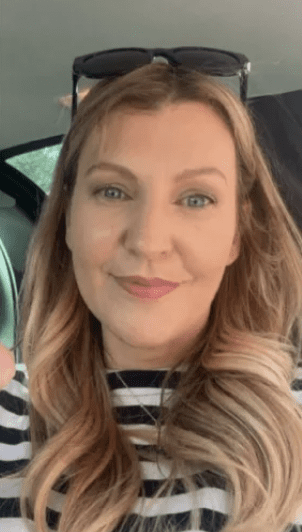
Story by: Lisa
Neuroendocrine cancer site: Lung
Hospital: The Christie, Manchester
I was diagnosed in Dec 2021 with a typical Lung NET and underwent surgery to remove my entire left lung in March 2022. I was unable to work for a period of 8 months, leading up to surgery and recovering afterwards which was really impactful to my emotional well being. My mind was a blur of worries, but I recall holding on to two phrases the doctor had said..”It’s low grade” and “ It’s early stage”. I knew nothing of these terms at the time but set about finding out more and it brought me a lot of comfort to know that this meant my prognosis was much better than I had originally imagined when I heard the words “cancer” and “lung”.
Unfortunately, examination of the tumour once removed, evidenced that it was Atypical in nature, and had already spread to lymph nodes. This sent me reeling as I thought about how this news affected prognosis.
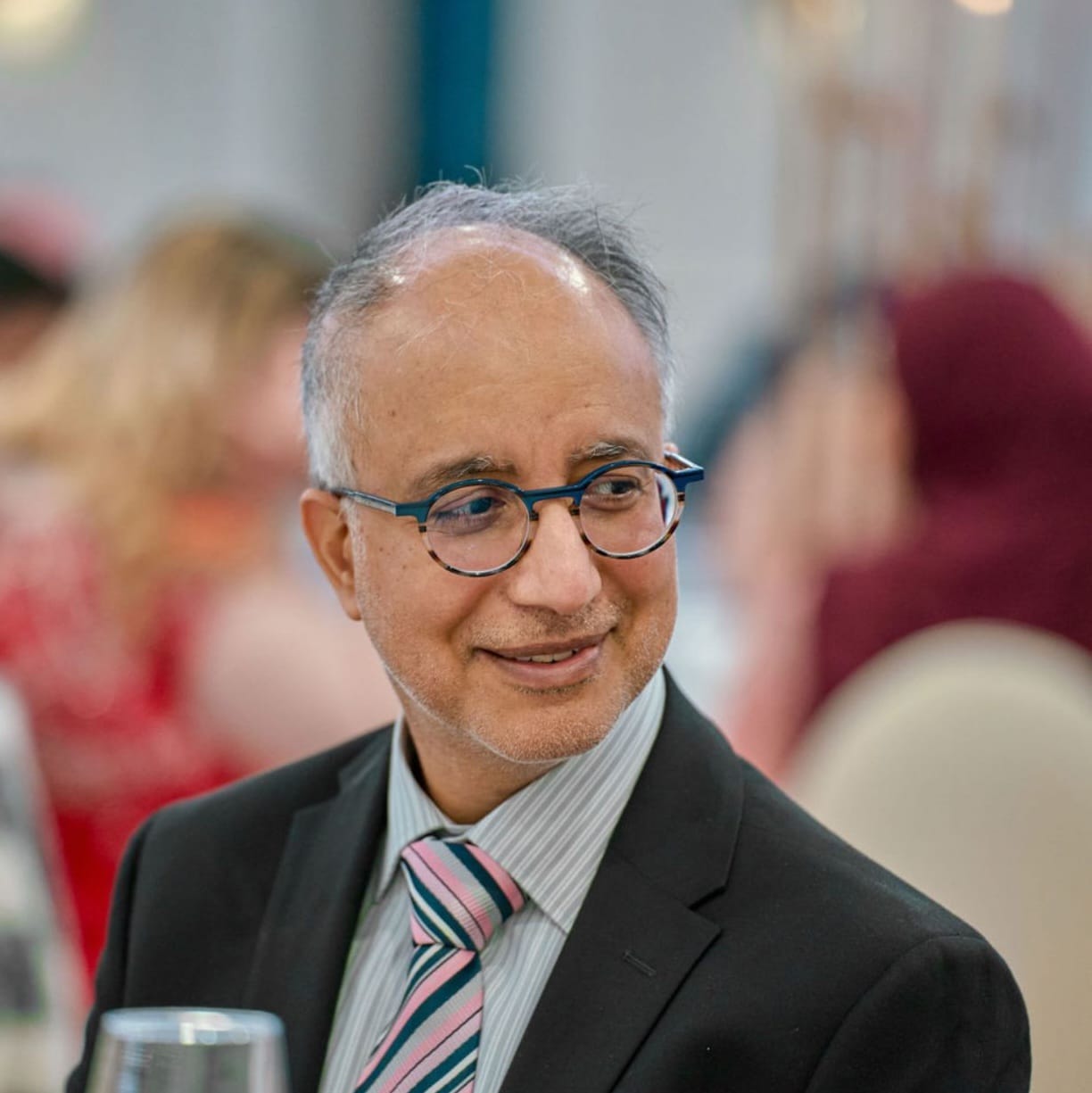
Through educating myself via Neuroendocrine Cancer UK’s resources, I was aware that this diagnosis would require a different type of monitoring. However my original hospital was not offering this, despite being a Centre of Excellence. I sought out Professor Was Mansoor, at The Christie NHS Foundation Trust in Manchester, who is a NET specialist, with a particular focus on Lung NETs. I transferred to his care and received a Gallium-68 scan (a particular type of scan that is used in diagnostics) which indicated further lymph node spread and my treatment and surveillance plan was adjusted accordingly. In November 20023, I commenced an active surveillance plan of 3 monthly scans and meetings with my care team.
The relief that I felt knowing that I was now receiving the correct, specialist care, allowed me to focus more on my recovery and trying to pick my life back up again. I was told by many of the doctors I had come into contact with that I could live a perfectly normal life with one lung and that was my focus, getting to that ‘normal life’ again. This didn’t happen, and life has been full of ups and downs since my surgery. I often look back and wish someone had been brave enough or knowledgeable enough to help me understand the journey ahead rather than give me the optimistic view that I could feel ‘normal’ again.
The first year was very tough as I battled to recover from the physical wounds. I would not have gotten through it had it not been for my family and friends who were so supportive. Learning to cope with limited lung capacity, a slower pace of life, and navigating the worries of Covid was difficult, and I was itching to get my old life back again. I returned to work slowly and was very well supported by my colleagues.
‘Getting back to normal’ was just not happening though, despite my best efforts and it took some time for me to accept that life was not going to go back to how it was. Honestly, I found this devastating and really struggled with how limited I felt. My physical scars continued to heal but the mental and emotional toll exacted was much harder to cope with.
Life was simply just not the same.
I have not been able to achieve a ‘perfectly normal life’. I can become winded very quickly when doing small things, things that I could have done without thinking before. I find myself struggling when out walking my dogs, or when walking up a hill, I cough a lot, I am fatigued quite often and usually without warning. I find it difficult to stand for long periods, I struggle with exercise, yet know how much I need it.
All these things have impacted my emotional well-being and anxiety and low mood have become a feature of post-surgery life. Whilst my family continued to be fantastic in supporting me, I just kept thinking I was so far off being ‘normal’ again and that my life was forever changed.
Time is a great healer however and slowly life has started to form into something I can recognise. I am currently trying to come to terms with the changes and not strive to reclaim my old life, but this is tough!
I am getting better at knowing what is important to give energy to and when to slow down and rest, but I am always fighting with my mind that wants to race ahead. I have found a form of exercise that suits my capacity now. I have also found alternative dog walking routes that challenge me enough but don’t leave me feeling winded and disillusioned. I have learnt to rely on the help that is always on offer from others, especially on days where my anxiety is high.
Despite the difficulties, I have found there are many things to celebrate in post-surgery and post-diagnosis life. I have come to the end of a long period of academic studies which I thought I might have to give up after my diagnosis, I have celebrated a milestone birthday, and the news that I will soon be a grandmother. My scan results have all been stable and I am now reduced to yearly scans which has allowed me to feel less ‘sick’ and as close to normal as I can. I am able to see progress in my life now and try to remain focused on this. Whilst it is not at a pace I would like it to be, it is progress, nonetheless.
What I have found is that life at a slower pace brings a whole new way of seeing the world. I now stop and smell the roses; I breathe in the morning air in a more meaningful way. I celebrate each season with gratitude. Whilst my life has been turned upside down by NET’s, the view sometimes ‘aint half bad when you learn to look at it in a different way!
Lisa Webb – July 2025