Your cancer
primary site
Neuroendocrine cancer can develop in different parts of the body. There are many types of neuroendocrine cancer, each with its own characteristics and treatment options. Explore the different types, understand how they are diagnosed and discover the treatments and support available.
Browse categories
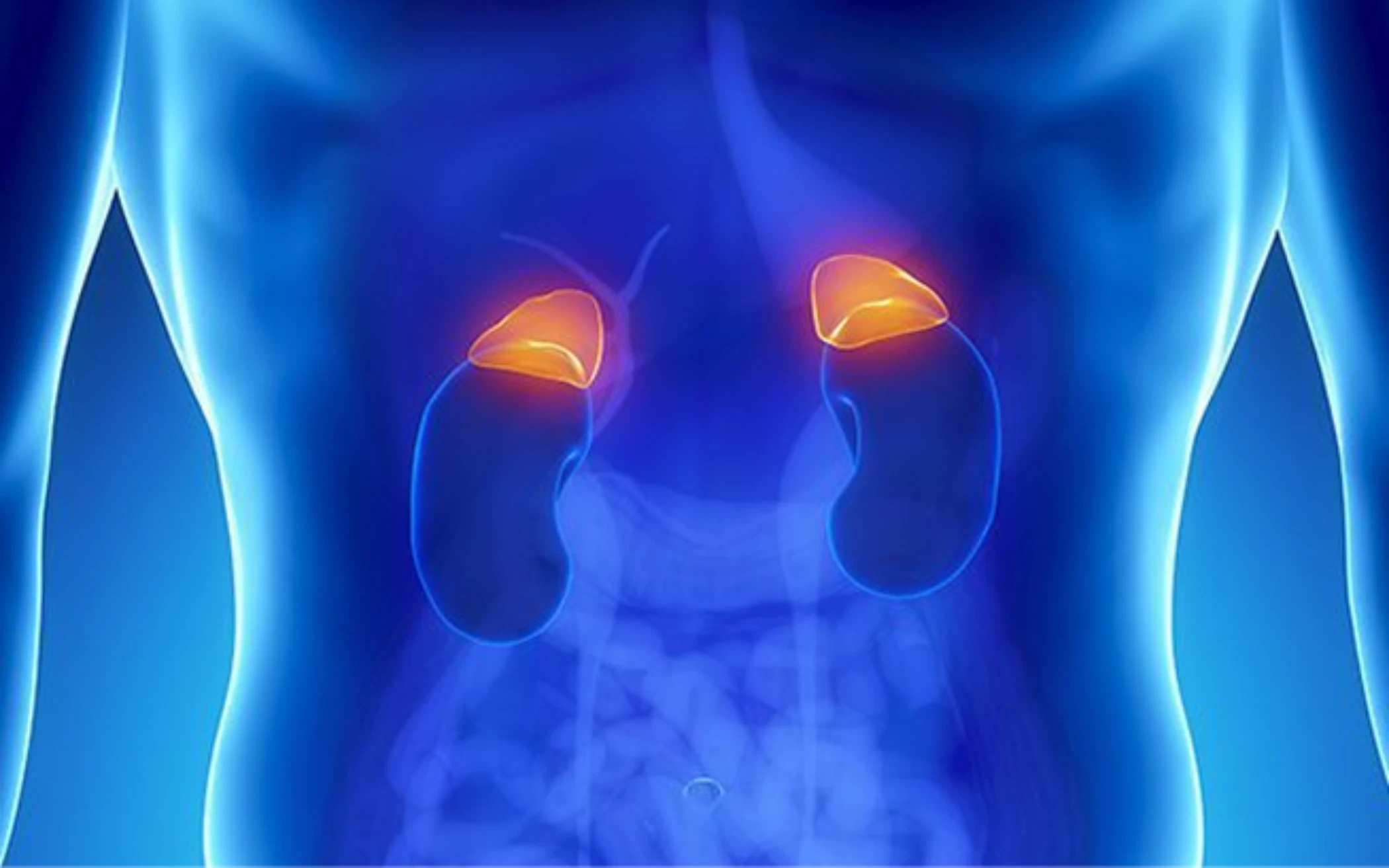
Adrenocortical carcinoma (ACC)
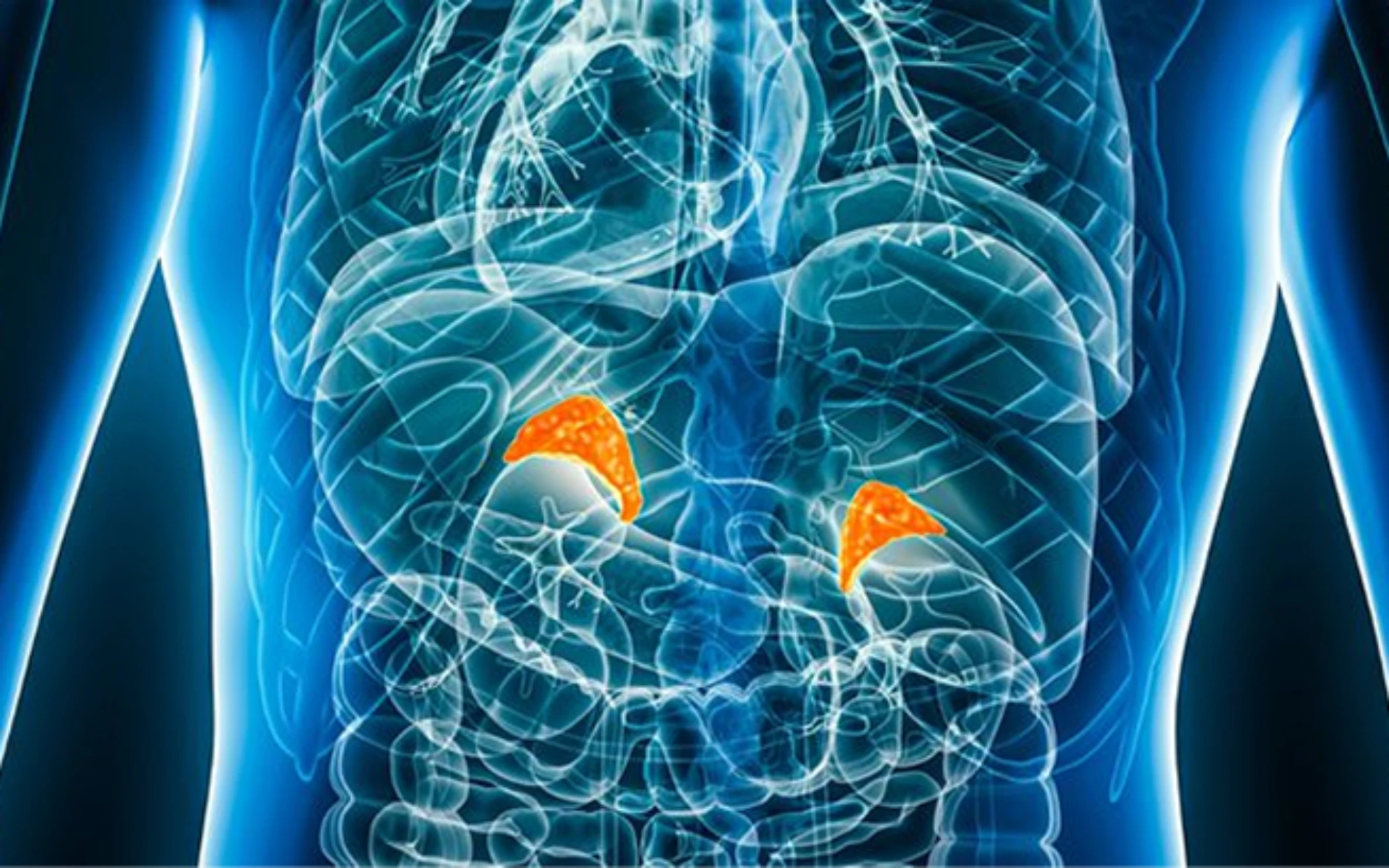
Adrenocortical carcinoma (ACC) is a rare cancer that starts in the outer layer of the adrenal glands, the small glands that sit above your kidneys. Some tumours release extra hormones. Find out about symptoms, diagnosis, treatment and living well with ACC.
Phaeochromocytoma
Phaeochromocytoma is a rare neuroendocrine cancer that develops in the inner part of the adrenal glands. Some tumours release extra hormones, while others cause few or no symptoms. Learn about the inherited conditions linked to it, and how it is diagnosed and treated.
Neuroendocrine cancers of the appendix
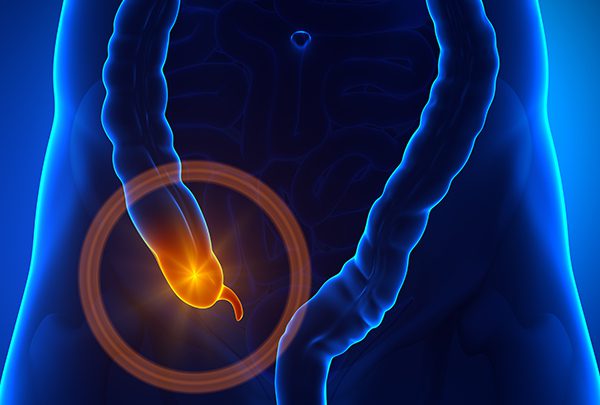
Neuroendocrine cancers of the appendix often cause no specific symptoms and are frequently discovered during surgery for suspected appendicitis. Find out how they are diagnosed, graded and treated, and what follow-up you can expect.
Neuroendocrine cancers of the breast
Neuroendocrine cancers of the breast are rare. They include neuroendocrine tumours (NETs), which are usually slower growing, and neuroendocrine carcinomas (NECs), which grow more quickly. Learn how they are diagnosed, monitored and treated.
Neuroendocrine CUP
Neuroendocrine cancer of unknown primary (CUP) is diagnosed when a neuroendocrine cancer is found, but the place it started cannot be identified even after specialist tests. Treatments can still be planned. Find out how, and where to get support.
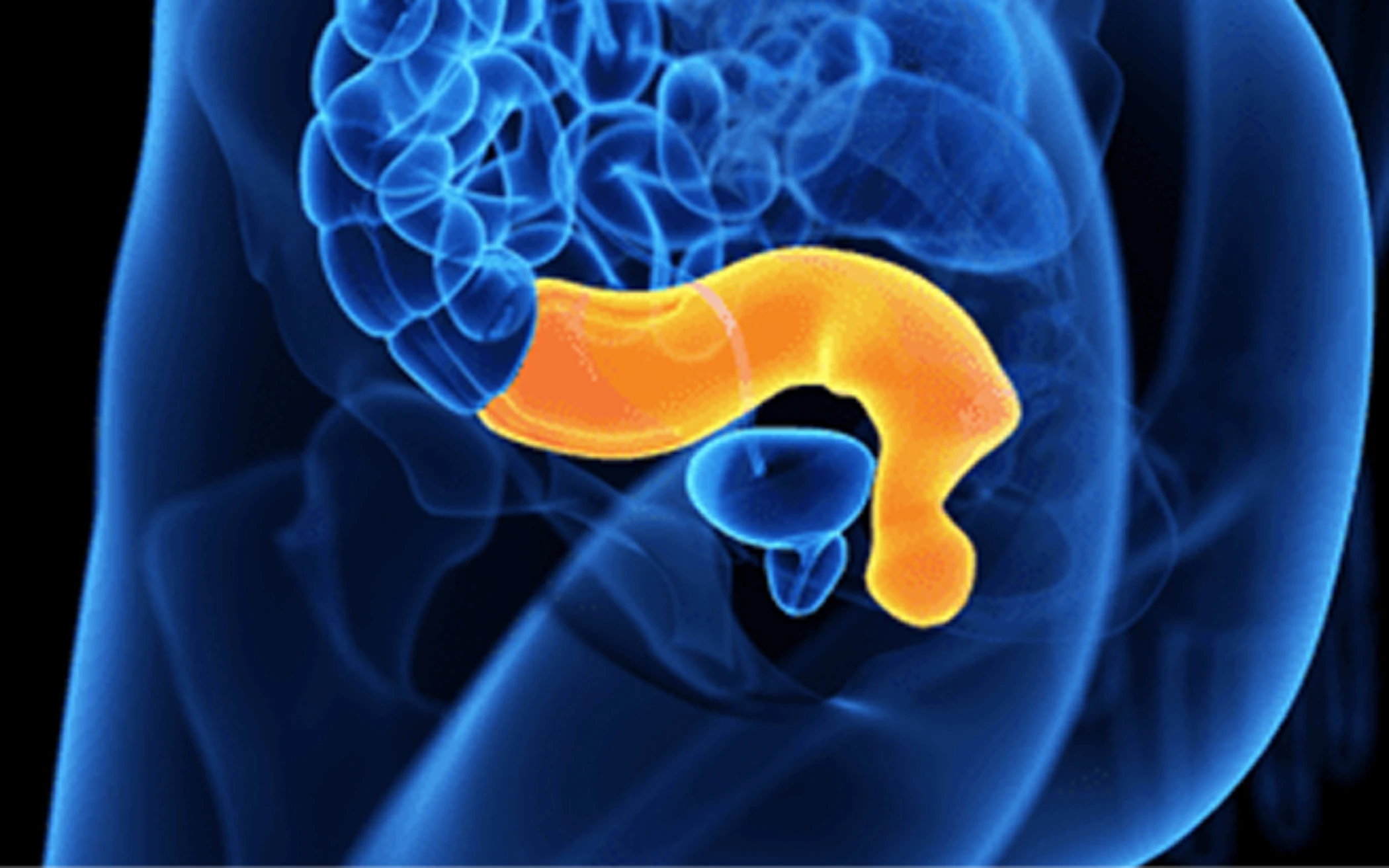
Neuroendocrine cancer of the colon (large bowel)
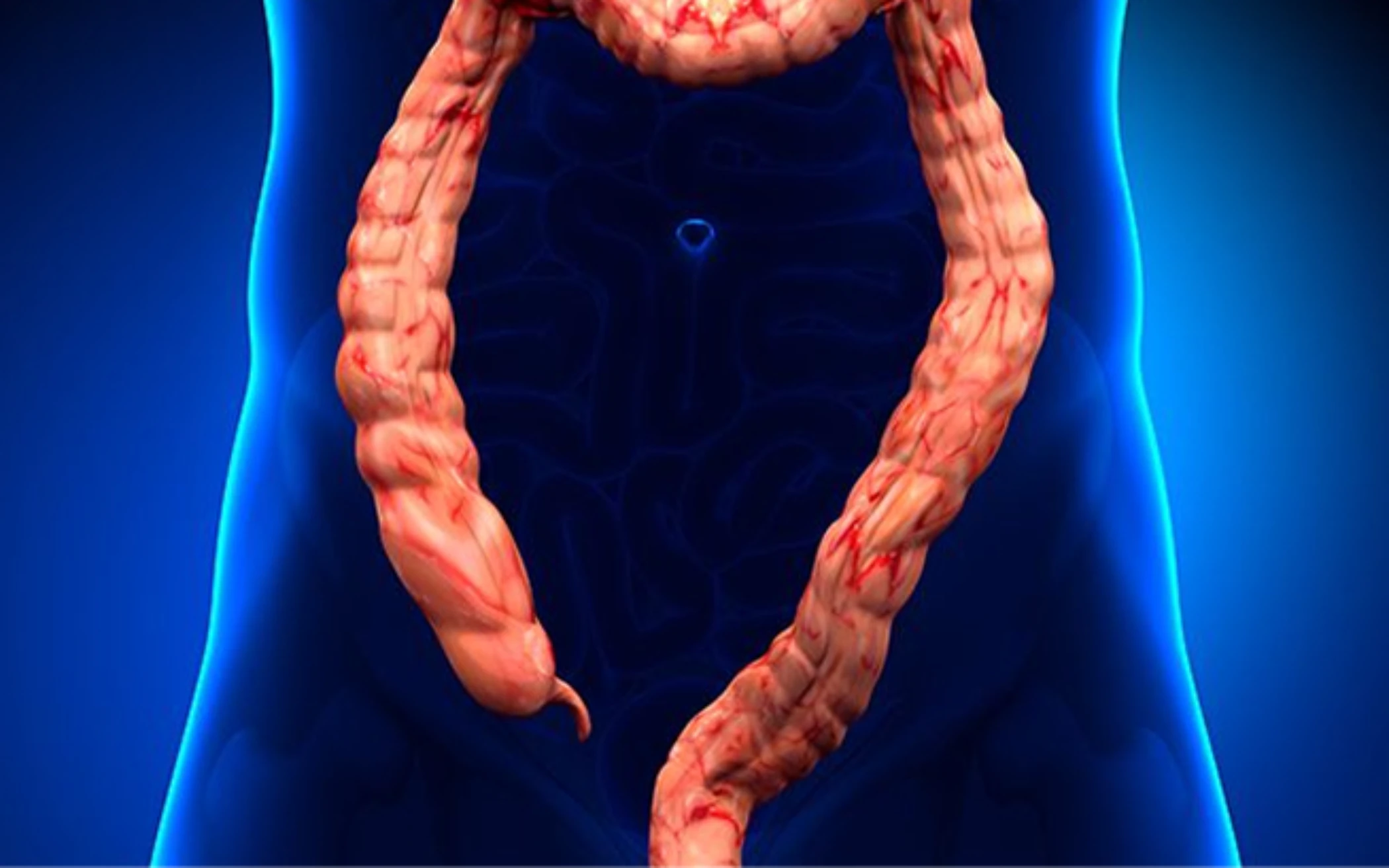
Neuroendocrine cancers of the colon are rare and may cause no symptoms in their early stages. When symptoms do appear, changes in bowel habits or abdominal discomfort are easily mistaken for other, more common bowel conditions. Here is how they are found and treated.
Neuroendocrine cancer of the duodenum
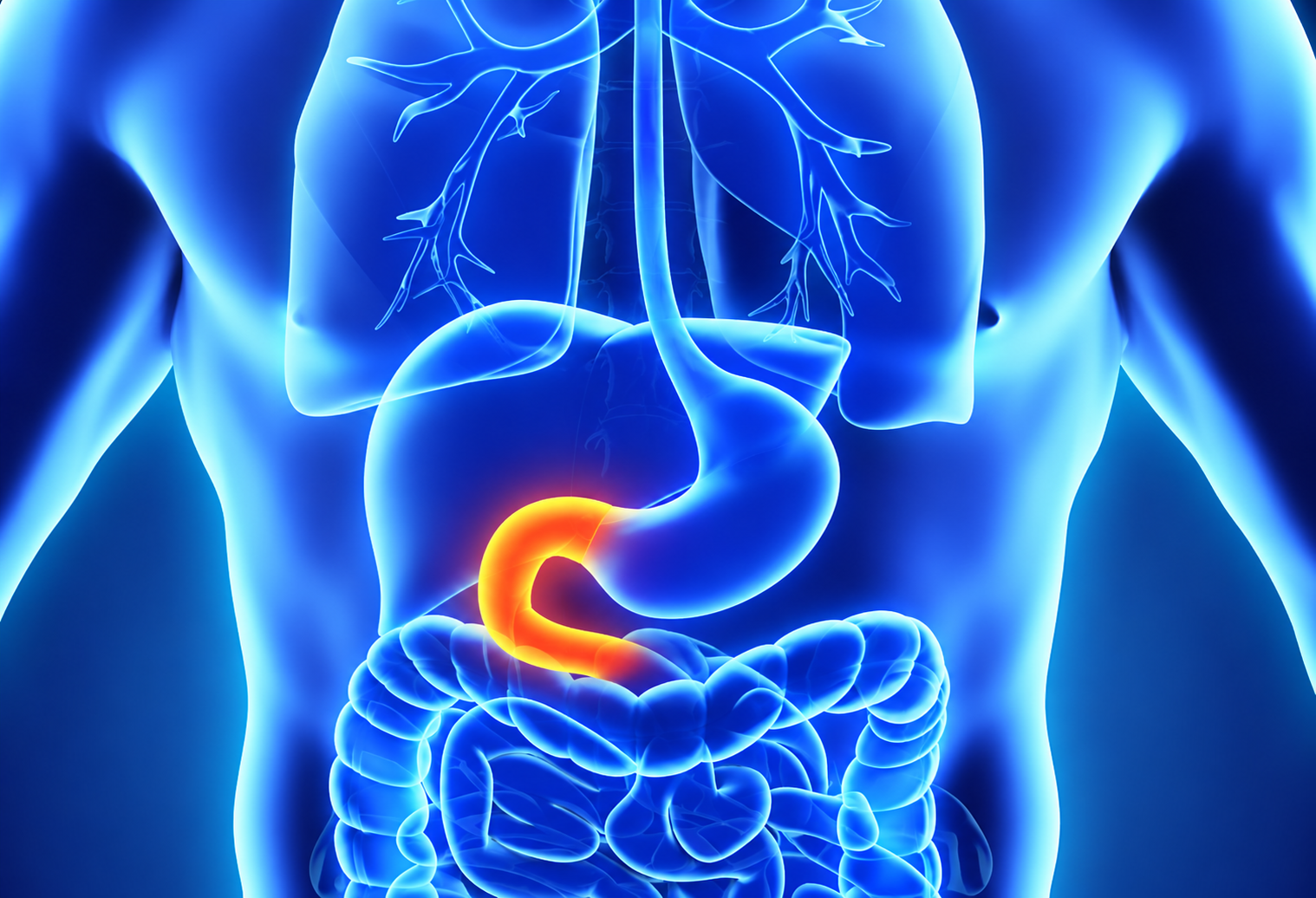
Neuroendocrine cancers of the duodenum are uncommon, and many people have no symptoms in the early stages. Some duodenal NETs release extra hormones, causing acid reflux, abdominal pain or diarrhoea. Find out how they are diagnosed and treated.
Neuroendocrine cancer of the biliary system
Neuroendocrine cancer of the gallbladder and bile ducts is very rare, and often causes no symptoms at first. When symptoms do appear they can resemble those of more common gallbladder conditions, which can make it harder to diagnose. Here is what to expect.
Lung neuroendocrine tumours (NETs)
Lung neuroendocrine tumours vary widely. Some grow very slowly and cause no symptoms at first, while others cause breathlessness or a persistent cough, or release hormones that affect other parts of the body. Learn how they are diagnosed and treated.
Large cell neuroendocrine carcinoma (LCNEC) of the lung
Large cell neuroendocrine carcinoma (LCNEC) of the lung is a rare, faster-growing type of neuroendocrine cancer that develops in the lungs. It is one of two main types of lung neuroendocrine carcinoma (NEC), alongside small cell lung cancer (SCLC).
Neuroendocrine cancer of the testes
Neuroendocrine cancer of the testes is very rare. It may cause a lump, swelling or discomfort in a testicle, but is often found during investigations or surgery for suspected testicular cancer rather than from symptoms alone.
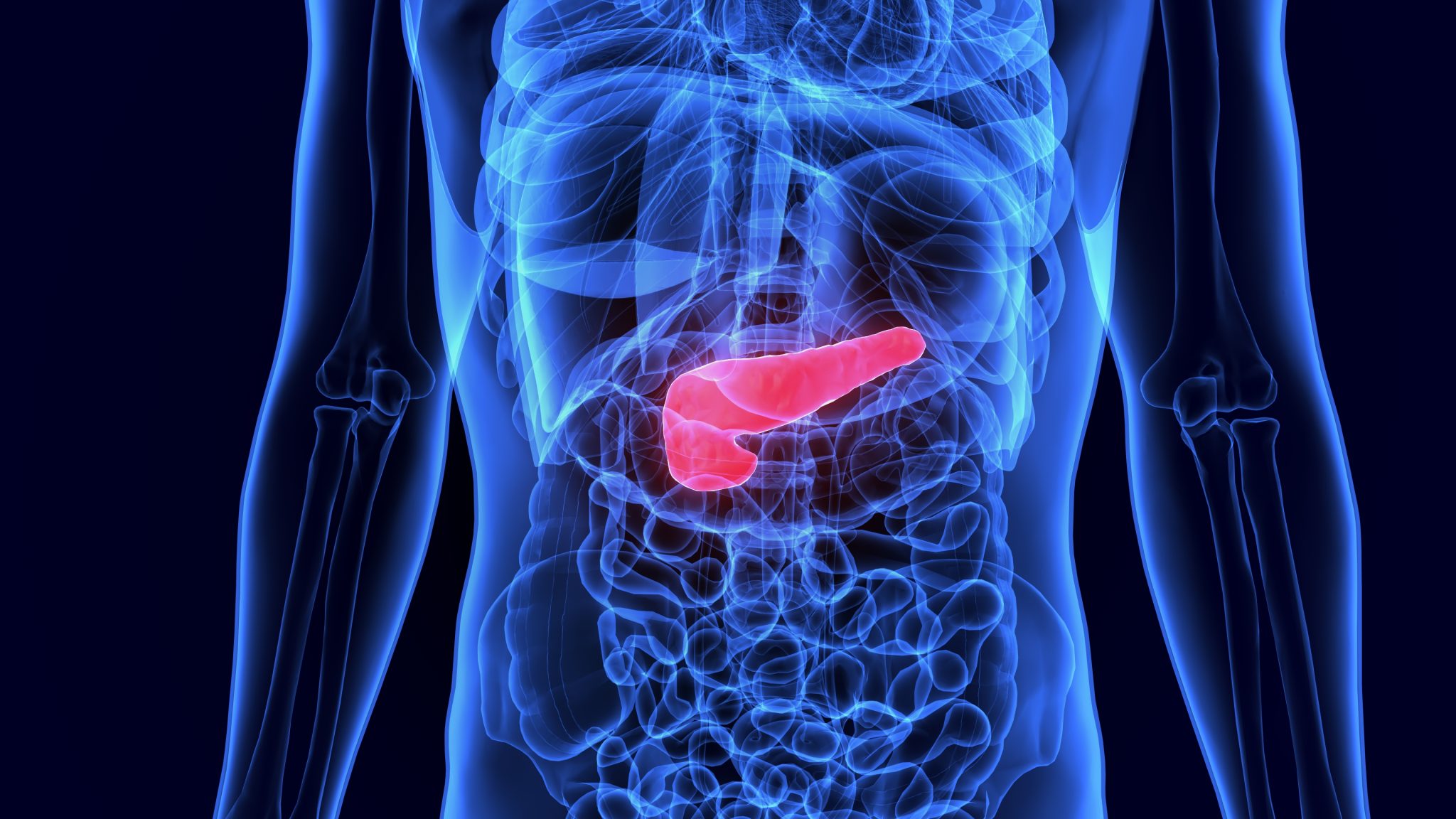
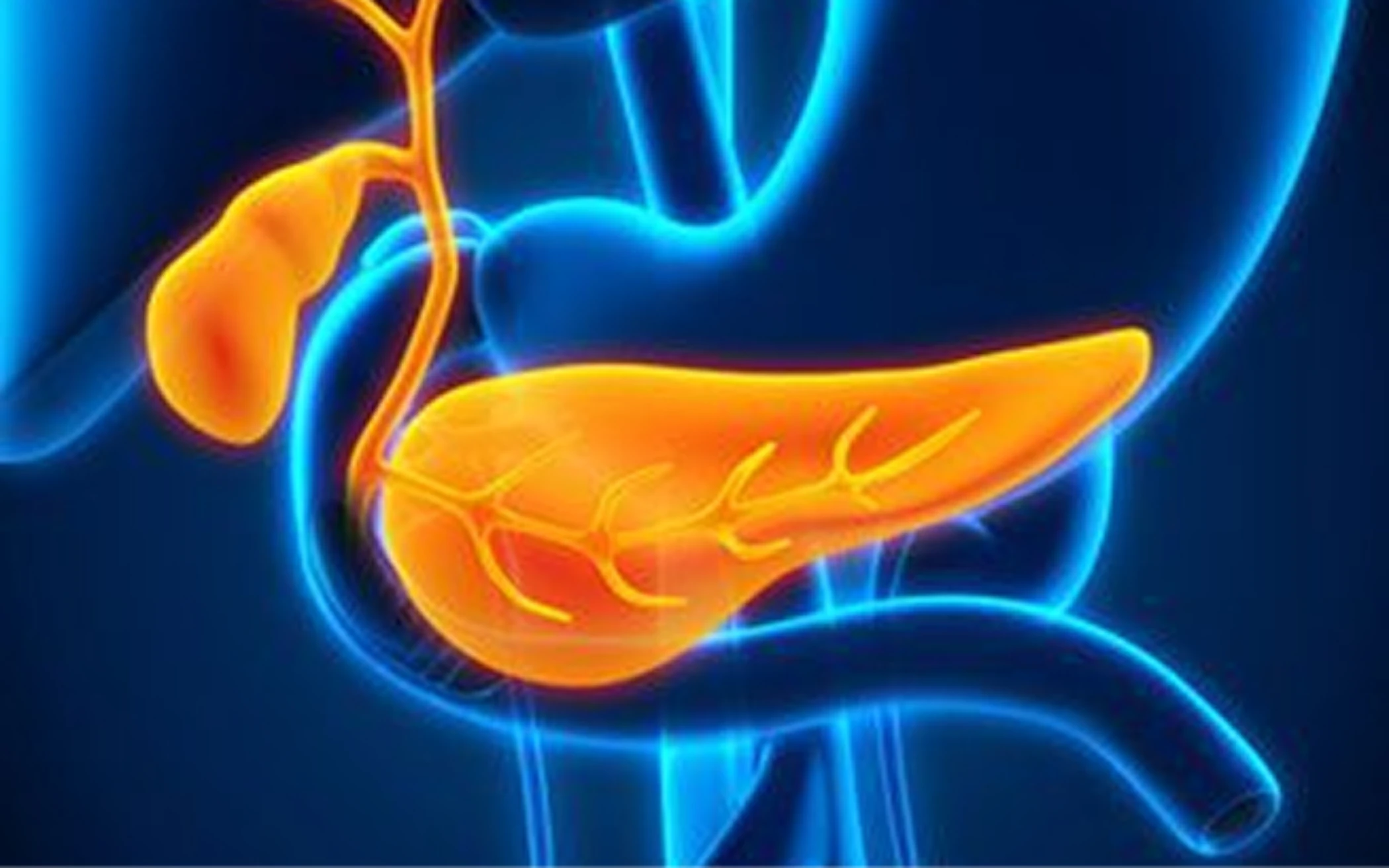
Pancreatic neuroendocrine cancer
Pancreatic neuroendocrine cancer can produce excess hormones in some people and tumour-related symptoms in others. It can also cause pancreatic exocrine insufficiency, with pale fatty stools, weight loss and bloating, managed with enzyme replacement therapy.
Neuroendocrine tumour (NET)
Paraganglioma is a rare neuroendocrine tumour that develops from specialised cells near nerves and blood vessels, most often in the abdomen. Functioning tumours release hormones such as adrenaline, causing headaches, sweating and palpitations.
Neuroendocrine cancer of the rectum
Neuroendocrine cancer of the rectum is often found during a routine bowel investigation and may cause no symptoms at all. The type, size and grade of the cancer, and whether it has spread, guide the treatment you are offered.
Merkel cell carcinoma (MCC)
Merkel cell carcinoma is a rare neuroendocrine cancer of the skin: a firm, painless lump that can grow quickly, usually on sun-exposed skin. It accounts for about a third of rare skin cancers, with over 35% arising on the head and neck.
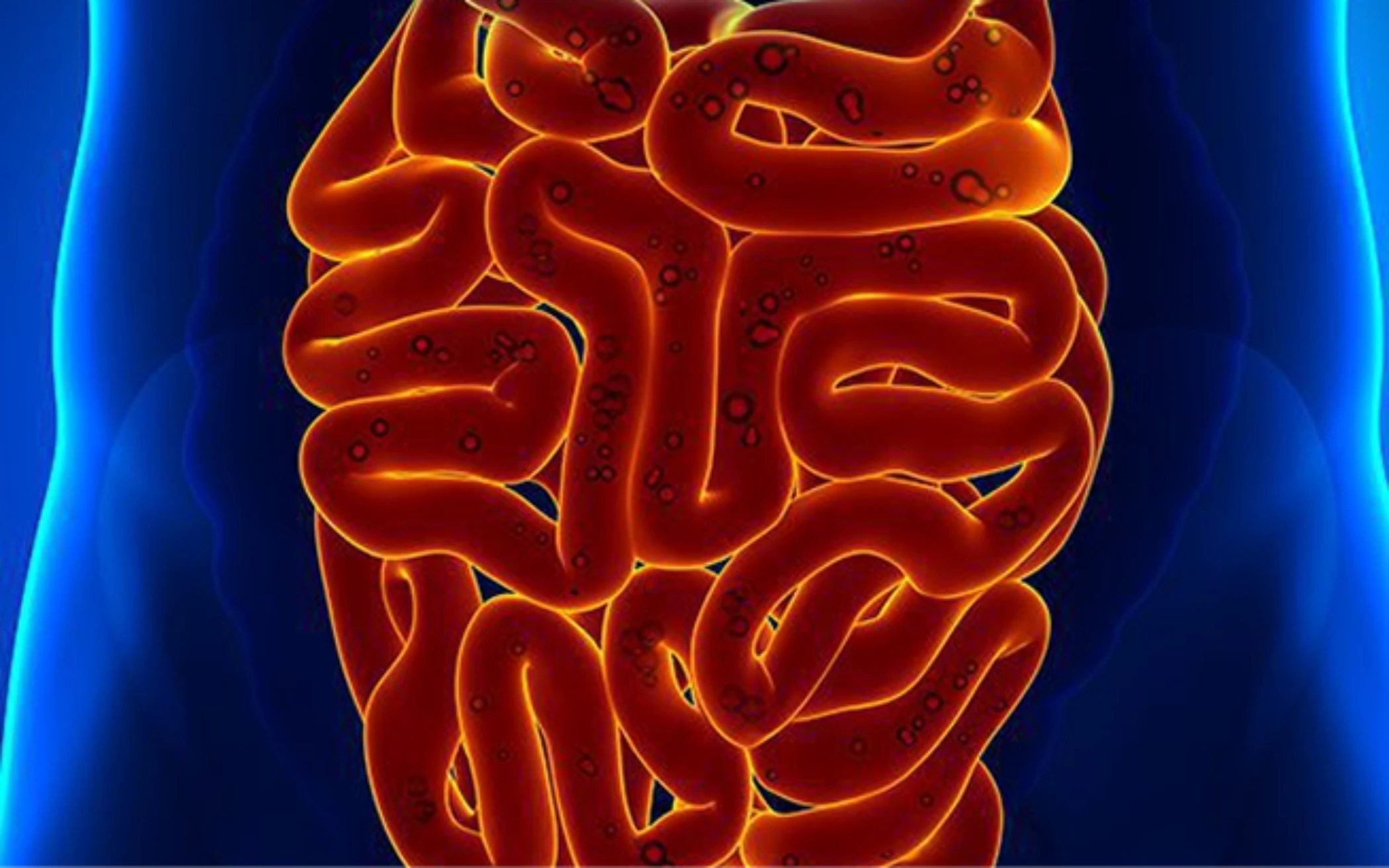
Neuroendocrine cancer of the small bowel
Neuroendocrine cancer of the small bowel often causes no symptoms at first. Others have abdominal pain, changed bowel habits or symptoms of carcinoid syndrome, and sometimes it is only found after a bowel obstruction or tests for something else.
Neuroendocrine cancer of the stomach
Neuroendocrine cancer of the stomach is rare and can affect people in different ways, depending on the type of cancer.
Neuroendocrine cancer of the thymus
Neuroendocrine cancer of the thymus is very rare and often causes no symptoms at first. Others develop a cough, chest pain or shortness of breath, and occasionally the cancer produces excess hormones, adding further symptoms to look out for.
Medullary thyroid cancer (MTC)
Find information and support for people affected by medullary thyroid cancer (MTC), including links to further resources.