|
Getting your Trinity Audio player ready...
|
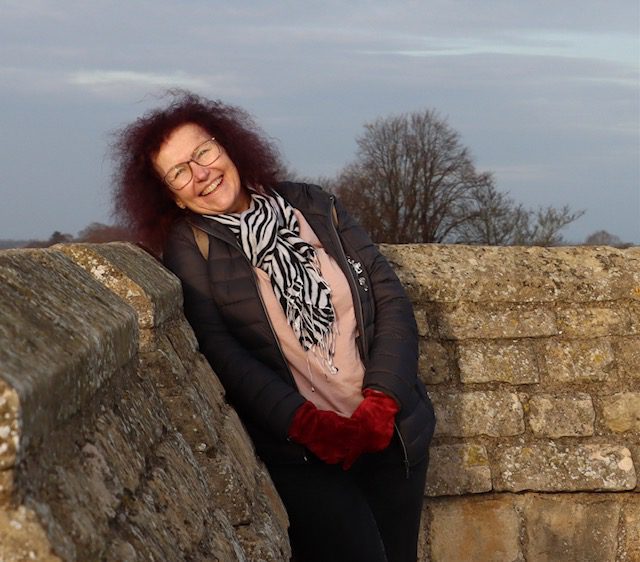
Name: Kath
Neuroendocrine Cancer Primary Site: Small Bowel
Centre of Excellence: The Christie Manchester
Diagnosed: 2015
–
Kath’s Story
Living with Long-Term Uncertainty
The longer we can live with neuroendocrine cancer, the more resilient we need to become.
‘Resilient’ … what a great word, but what does it really mean? According to the Oxford English Dictionary:
The capacity to withstand or to recover quickly from difficulties; toughness
My favourite description though is from the American Psychological Association:
Resilience is the process and outcome of successfully adapting to difficult or challenging life experiences, especially through mental, emotional and internal demands.
The Diagnosis That Changed Everything
I think it would be fair to say that everyday life comes with a level of uncertainty – and a need for resilience. However, on 22nd June 2015 at the age of 53 life changed completely. Hearing the “C” word I think is one of life’s biggest fears, when it is attached to a cancer no-one seems to have heard of, it adds a whole new level of complexity. I had been ill for a long time off and on, I was relieved to get a diagnosis, but not this…
Looking back over the last ten years, I can honestly say that I am glad to still be here, having cancer still sucks, but that is the norm for me now; and for so many others out there. We just get on and live with the reality of it, and the challenges it presents us with.
A Lack of Long-Term Support
Unfortunately, though for long-term cancer patients who cannot be cured, there does not appear to be a proper support structure in place outside of charities like Neuroendocrine Cancer UK and personal support groups. HCPs (Health Care Professionals) deal well with the medical and personal aspects of care, but these seem to be mainly focused on supporting patients through a harrowing set of treatments and getting them well again, which is vital. But so is the long-term holistic management of patients who cannot be cured.
Let’s face it, it’s hard living with a disease that seems to have a mind of its own. If you’re lucky, you can go days, weeks, or even months living a seemingly normal life, then BAM, it decides to give you a kick. That’s the reality of living with neuroendocrine cancer. We also must remember that we are still susceptible to normal everyday illnesses, so it’s a constant puzzle solving exercise. It also gets harder the longer we live with it. I have found that as I have learnt to cope with and manage my symptoms, they just naturally become part of my everyday life. So much so that I start to ignore some, not deliberately, but they just seem to fade into the background.
Staying Informed and Avoiding Misinformation
Looking back now, I know I was lucky in the advice I was given when I was diagnosed. My Clinical Nurse Specialist (CNS) gave me a leaflet about Neuroendocrine Cancer UK and advised me to only consult them for more information at first. Stay away from Dr Google, she advised; a lot of the information is outdated, and more importantly, wrong. How right she was. But still, it didn’t stop me going down the rabbit hole, but that’s me, as an analyst I couldn’t help myself. But the Neuroendocrine Cancer UK team and support groups kept me on track and helped me keep my feet on the ground. We didn’t have the Facebook groups back then!
Developing Coping Strategies
I knew I needed strategies, and over time I have naturally developed and adapted a set that seems to work well for me.
The first thing I did was to start a daily diary, documenting how I felt both medically and physically, and I have continued with that. I couldn’t manage my care or consults without it. Every six months I go through it before I get my results to pull out anything I need to talk about or flag. When I am doing well, I find it is all too easy to forget previous issues, the ‘fade-factor’. Having a record helps me to decide whether I need to mention it. I also find that I think carefully before I decide to disregard a symptom, if it was important enough to me to record it at the time, it could also be important to my team – even after all this time or should that be especially after all this time.
Facing New Challenges: Heart Failure
A prime example of the symptoms puzzle is that in 2024 I was diagnosed with heart failure. At first, I ignored my fatigue getting worse, getting breathless and simple everyday chores getting harder to do, thinking it was all part and parcel of the cancer progressing. When reading back through my diary, I identified what I thought was a possible indicator of carcinoid heart disease. Thankfully it wasn’t, still a shock and not something I expected to have to deal with, but it is now being treated, and I feel much better.
Finding Support in Others
Talking to other patients online just after my diagnosis I found out about the local Patient Support Group. I went to my first meeting a month after I was diagnosed, and I can honestly say for me it was a lifesaver. It really is good to talk, I was amongst my own people, so to speak. I didn’t have to explain myself; they understood what I was going through, I didn’t have to mask my real emotions, and thankfully many of them are still part of my life. We are not just patients, we are friends on the same journey, together.
Nonetheless, the mental strain of this cannot be understated either, and it can creep up on you. The first couple of years were especially bad. I wasn’t angry, it was more like a profound sense of sadness for what I thought I was losing. I could easily cry for 24 hours, the slightest little thing would set me off, my temper was wicked, and my poor husband took the brunt of it (thank you). I have, in previous blogs, described it as living with a ticking time bomb, as you never know when it will go off again, but over time it has got easier to push it to the back of my mind.
Discovering Mindfulness
Keeping busy helps, by that I mean finding something I like doing for myself. I have tried lots of different hobbies over the years, but the favourite for me now is crochet. I also do some voluntary work and write occasionally, and last year I did a Mindfulness Course through Neuroendocrine Cancer UK. The course helped me to cope with my pain and anxiety. Pain has always been a constant for me in one way or another, but I would never have classed myself as an anxious person before cancer. Mindfulness is a very helpful addition to my toolbox.
Adapting to a New Normal
New habits have formed too. Especially when it comes to being prepared when leaving the house and taking medication. For example, before diagnosis I had successfully downsized in the handbag department. No more carrying everybody else’s stuff for them, carry it yourself, I was very proud of myself! It wasn’t to last though. Having unpredictable toilet habits soon put paid to that win. I didn’t want to feel that I was under house arrest constantly, even though some days you have no choice in the matter, but I couldn’t not go out in case I got caught out. But I decided I wasn’t prepared to let my cancer be the complete boss of me.
I put together my emergency packs so that I felt safe going out, which meant big bag was back; sanitary towels, cleanser, clean knickers and nappy sacks, all fitted into a small make-up bag, making it is easy to transfer it between bags. Same with my top-up doses of liquid morphine. I put these in syringes which I keep in a syringe case, and I have radar keys in my bag and in the car for the Disabled Toilets that need them. It’s a lot less stressful using a disabled toilet if you need to clean up, and I don’t feel guilty anymore about using them.
All my daily tablets are in pill dispensers that have individual cases, so I can just pop what I need for that day in my bag, and I have alarms on my phone so as I don’t miss any doses. I also take PERT with all my food and use an old-fashioned lipstick case to put these in so that I don’t need to take a giant bottle with me when eating out. Small wins that help make life easier.
The Struggle for Acceptance
The hardest battle for me though, has been acceptance of the irreversible changes wrought by my cancer. Knowing that it probably has more in store for me as time goes on, so I’ll be honest here and say I hate that there are things I cannot do anymore. I may have to accept it, but I don’t have to like it, so I just try not to dwell on it; and that’s ok because I know these changes are out of my control.
I try to be kinder to myself these days. I can’t walk up a mountain anymore, but I can still walk the dog so long as no steep hills are involved, flat all the way for me. I can’t clean the house from top to bottom in one go anymore, but I can manage one room at a time maybe with a couple of brews in between. The housework will still be there tomorrow (unfortunately). I can’t drive long distances anymore, an hour, hour and a half at most these days before fatigue kicks in. Ironing, never liked it anyway, do your own!
Some days are awful, they never give advance warning and have the great ability to screw up loads of plans. So, all plans are now caveated with a maybe … holidays are only ever booked between consults, and if we want to go abroad, its only with the consultant’s blessing so I can get travel insurance.
A Medal for Resilience
After living with this for 10 years I sometimes think I deserve a medal. I know many who have been doing this for a lot longer, they all deserve one to. But there is very little recognition for that major feat, in fact many forget what we’re living with daily, and why shouldn’t they? I know I am resilient. Everyday life carries on around us, a proper conundrum. Living with this can at times be very hard and very frustrating.
But we are living with neuroendocrine cancer.
I do my best not to let it control me. And will continue to try to live the best life I can: when I can, for as long as I can.
Kath
January 2025
–