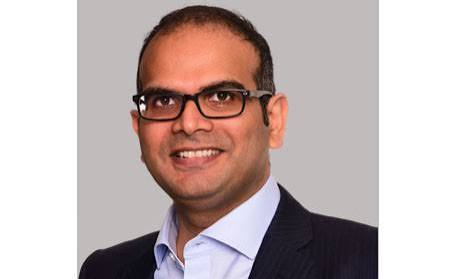
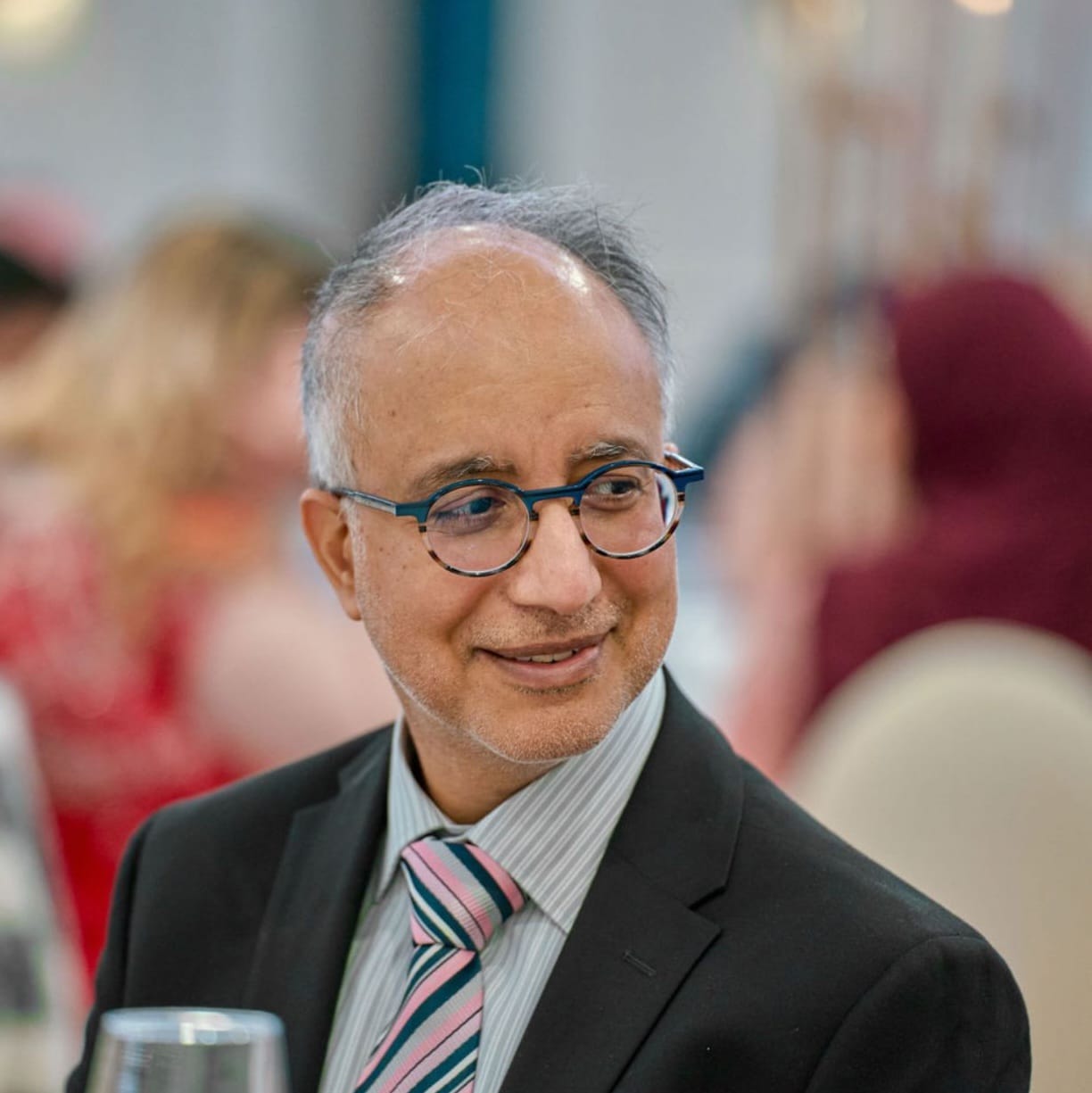
Professor Tahir Shah trained in general medicine, gastroenterology and liver medicine, and spent four years researching liver disease and new treatments for neuroendocrine tumours before joining ...
Caring for people with neuroendocrine cancer involves a team of healthcare professionals, each bringing different skills and expertise. Through our ‘Day in the life’ series, we introduce some of the people involved in neuroendocrine cancer care and offer a behind-the-scenes look at their roles and the work they do.
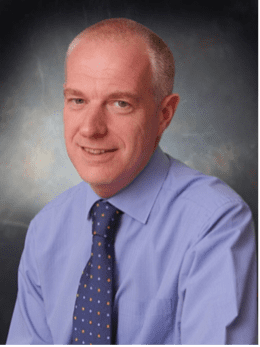
Professor Tahir Shah trained in general medicine, gastroenterology and liver medicine, and spent four years researching liver disease and new treatments for neuroendocrine tumours before joining ...
Bobby Dasari is a consultant liver transplant and hepato-pancreato-biliary surgeon at Queen Elizabeth Hospital Birmingham. He explains why neuroendocrine tumours, with their diverse biology, are such ...
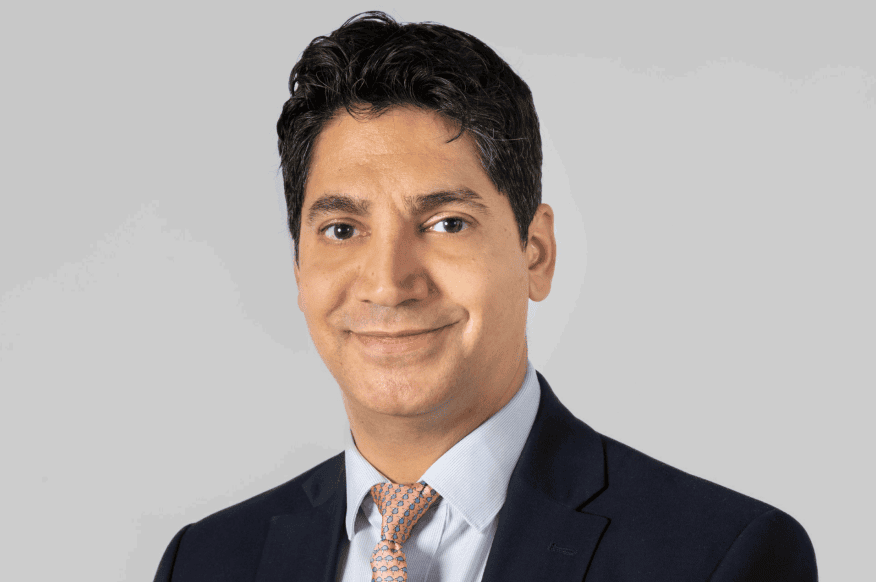
Reza Mirnezami performs around 30 to 40 NET resections a year as a consultant colorectal and neuroendocrine tumour surgeon at the Royal Free Hospital, and chairs ...
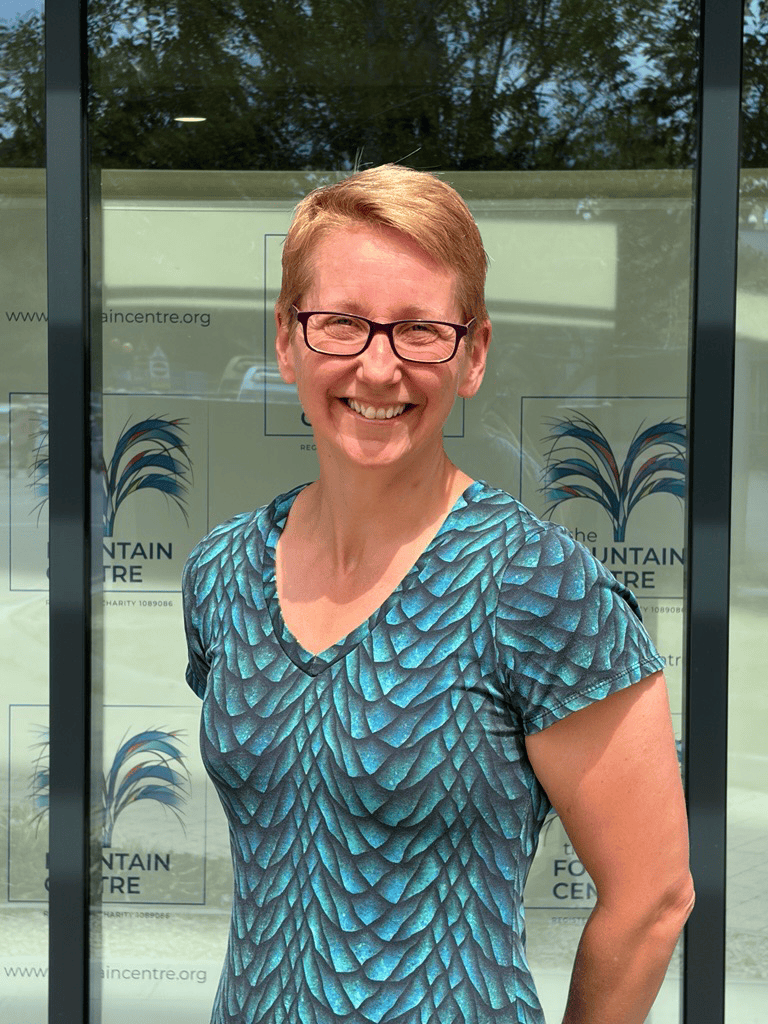
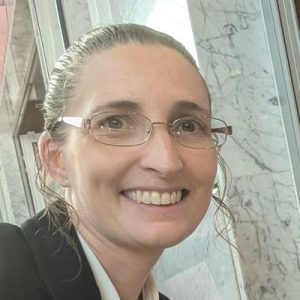
Anne-Marie Stapleton has worked in nuclear medicine physics since 2010, at the Royal Surrey County Hospital since 2017. She explains how a career in commercial science ...
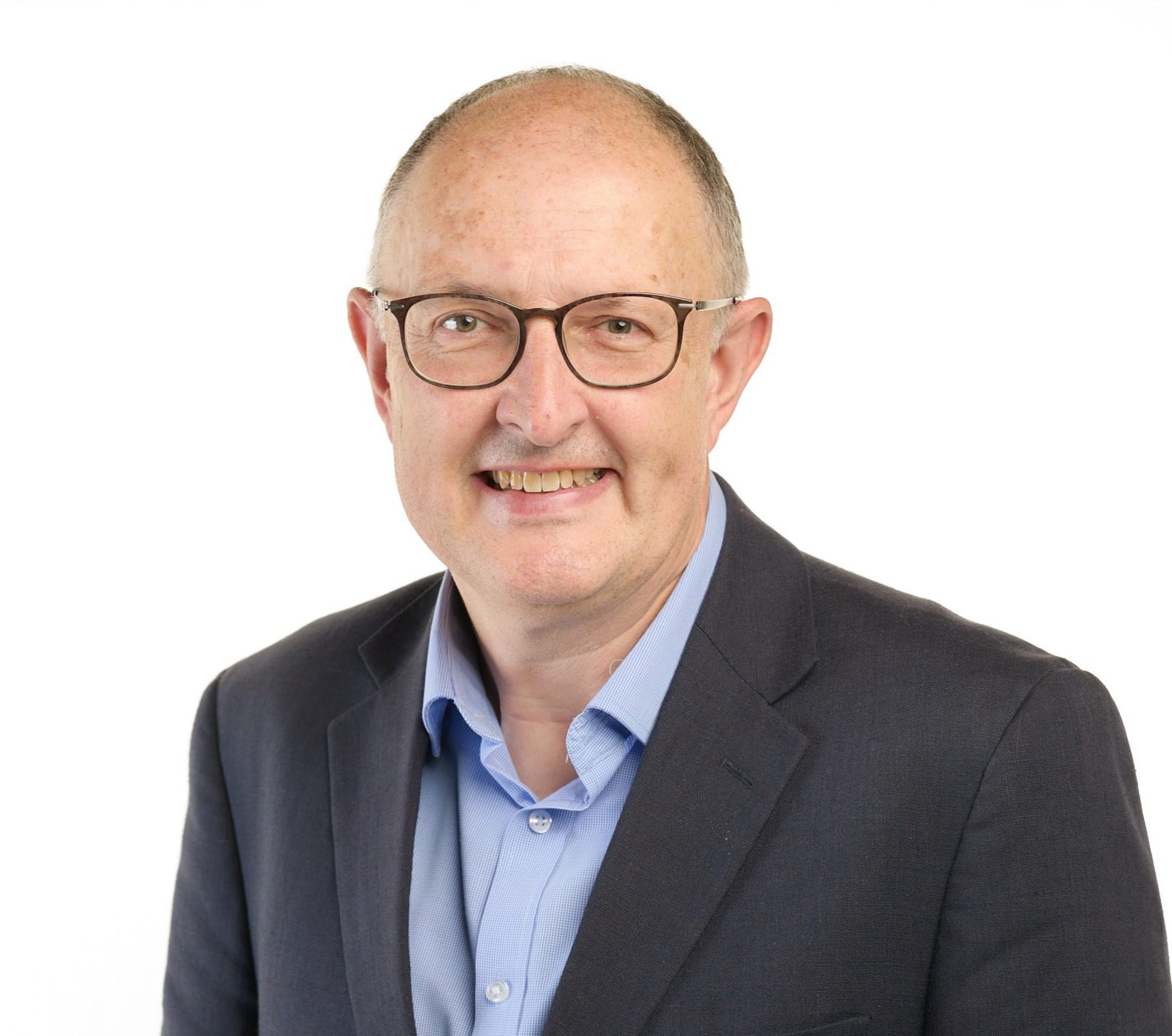
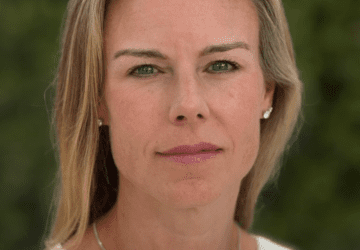
Professor Mark Pritchard splits his week between teaching and research at the University of Liverpool and treating neuroendocrine cancer patients at the Royal Liverpool University Hospital, ...
Dr Amy Eccles found radiology in her first years after medical school, then specialised in nuclear medicine and radionuclide radiology. She explains what drew her to ...
Mary Phillips has been a dietitian in hepatobiliary surgery at Guildford since 2004, and completed a PhD on the long-term consequences of pancreatic surgery. She explains ...
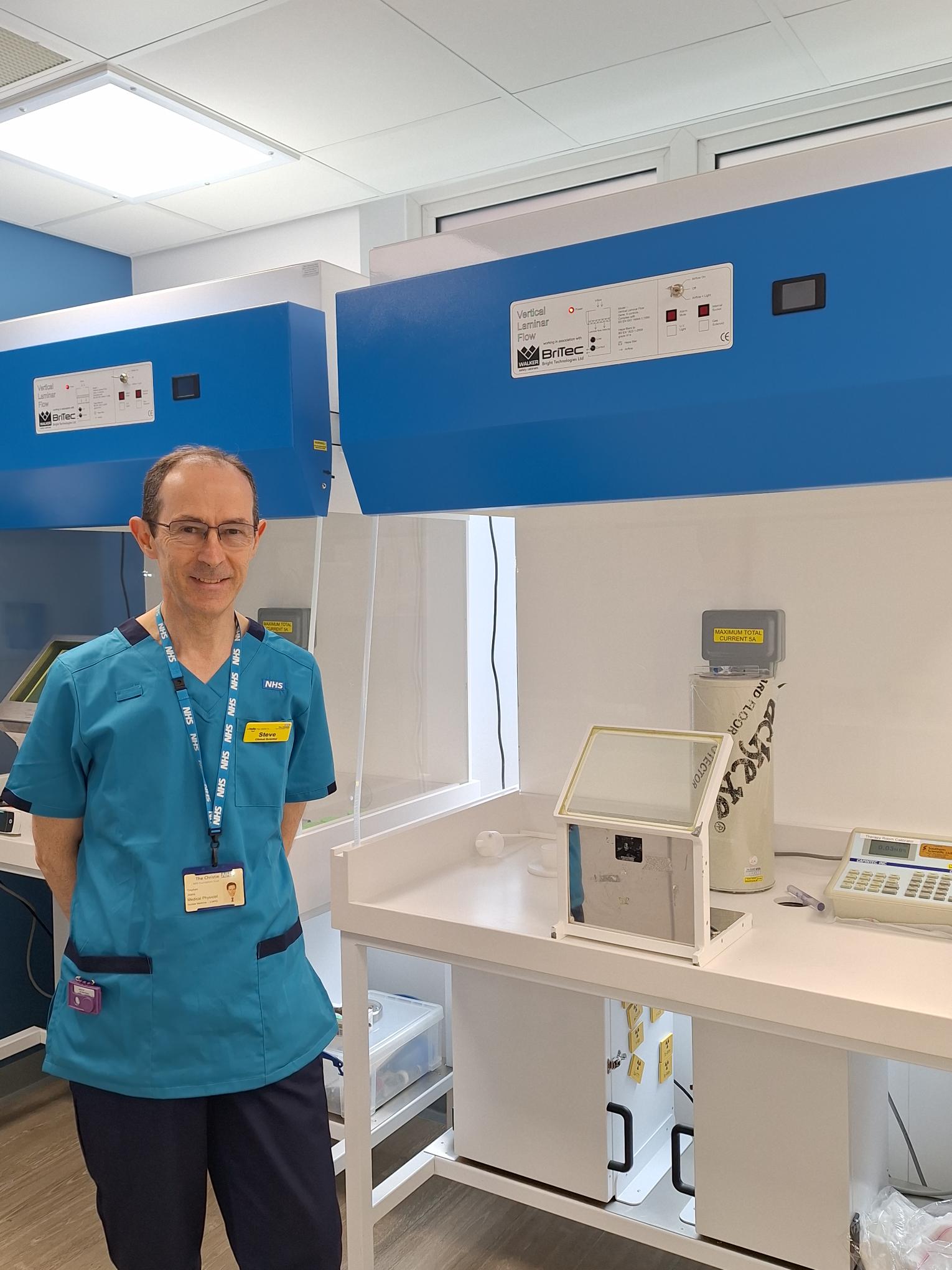
Steve Jeans is a clinical scientist and medical physicist at The Christie, where part of his role is helping deliver PRRT to patients with neuroendocrine tumours. ...
Professor Jon Wadsley has been a clinical oncologist at Weston Park Cancer Centre in Sheffield since 2004. He describes how the role has evolved as treatments ...
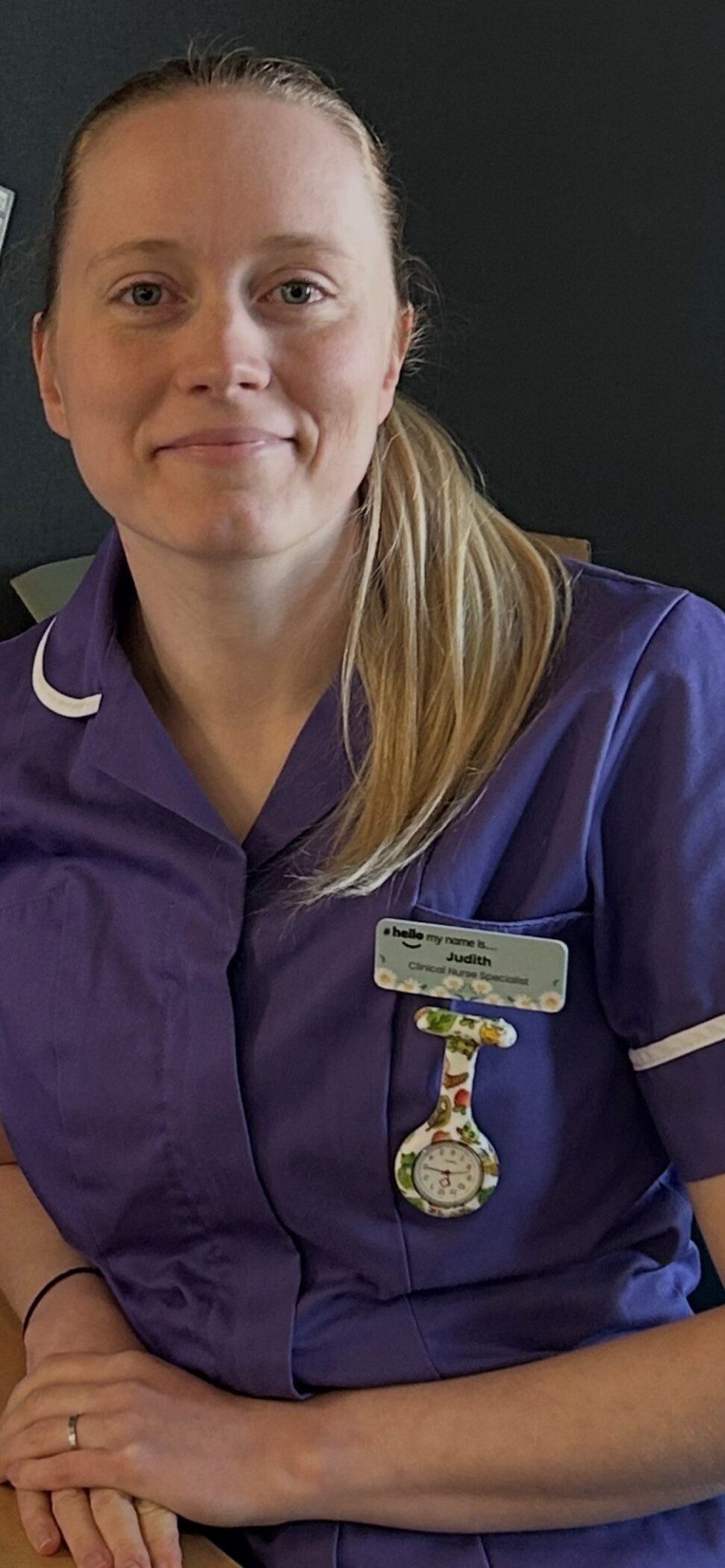
My name is Judith McCulloch, and as the Lead Neuroendocrine Tumour (NET) Clinical Nurse Specialist in Leeds Teaching Hospital NHS Trust, no two days are ever ...
Name: Raquel Massa Occupation: Nuclear Medicine Technologist Hospital: The Christie NHS Foundation Trust - My name is Raquel Massa, and I’m a nuclear medicine technologist at ...
Everyone’s experience of neuroendocrine cancer is different. Take your time, and engage with the stories in whatever way feels right for you.
Sharing what you’re going through with others can be incredibly powerful, helping others to feel less alone, find hope and reassurance, and feel more confident and empowered.
If you have a story to share, we would love to hear from you.
We’re always looking for people to share their experiences with Neuroendocrine Cancer. Whether you have the personal experience yourself or through a family member or friend, we use stories on our website, on social media, in our patient information, and on occasion, in the press.
By raising awareness of Neuroendocrine Cancer (NC), we can reach and help more people. Personal stories highlight many relevant aspects of living with NC.
Experiences provide insights that support the education of healthcare professionals, raise awareness of possible signs and symptoms pre diagnosis, raise awareness of NC in the general public arena and encourage and inspire other people who have just started their pathway.
Please complete the form below to share your story.
Everyone’s experience of neuroendocrine cancer is different. Some stories may offer hope and reassurance, while others may be difficult or upsetting to read or hear. Take your time, and engage with the stories in whatever way feels right for you.
Remember that treatments and outcomes vary from person to person. These stories offer personal perspectives and support, but should not replace advice from your own healthcare team. If something raises questions about your care, speak to your doctor or clinical nurse specialist.
You do not have to face this alone. Support is here when you are ready.
The stories and opinions shared here reflect the personal experiences and views of individual contributors and do not necessarily reflect those of Neuroendocrine Cancer UK. They are provided for information and support and are not a substitute for professional medical advice.